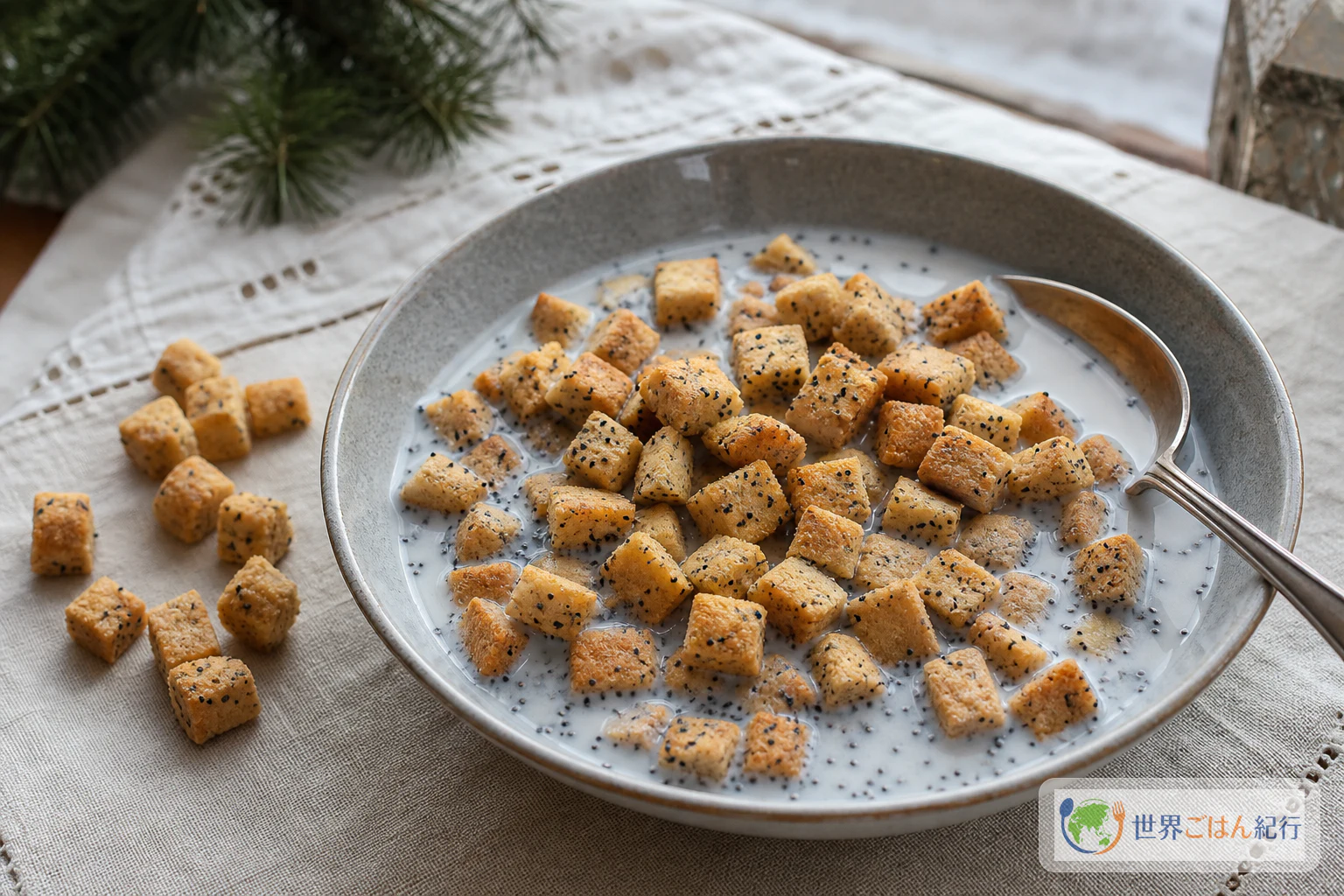
On Lithuanian Christmas Eve, small baked pieces of dough sink into a bowl of white poppy seed milk (aguonų pienas), and children and adults alike reach in with a spoon. These are kūčiukai, fingertip-sized pastries made for Kūčios, the quiet, meatless Christmas Eve supper. Fresh from the oven they smell like small hardtack. In the milk only the surface softens, so the core stays crumbly. They aren't a sugary sweet: what you taste is the poppy seeds, the wheat of a leavened dough, and the soft give as they soak.
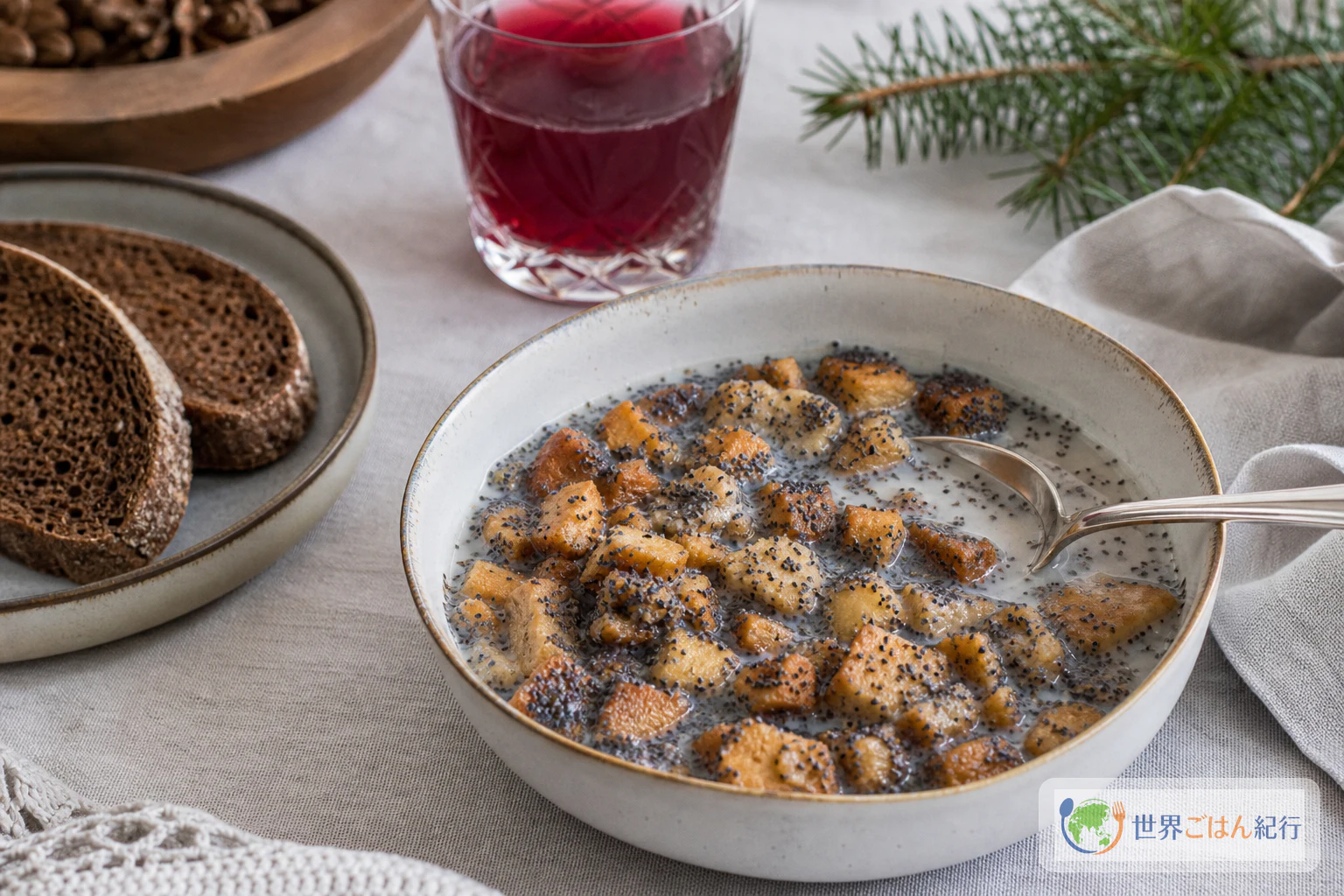
Kūčiukai on the Kūčios table
Kūčiukai, also called šližikai, prėskučiai or riešutukai, are made for Kūčios. Custom calls for 12 dishes on the table that night, with no meat, just small tastes of fish, mushrooms, grains, beans, berries and poppy seeds. Kūčiukai soaked in poppy seed milk are a must. In Lithuania they are a seasonal product you can buy even in supermarkets. Store-bought ones, though, often have a different texture from those baked at home in the countryside or by emigrant families.
Every home makes them a little differently. Some bake them like dry pellets, some cut them a bit larger, and some put more poppy seeds in the dough. Serving varies too. Some households set them out dry in a bowl with the poppy seed milk beside them. Others pour the milk over from the start and eat them like a sweet soup. Next to cranberry kisel, mushroom dishes, herring and dark bread, they read less as a sweet and more as a dish of grains and seeds.
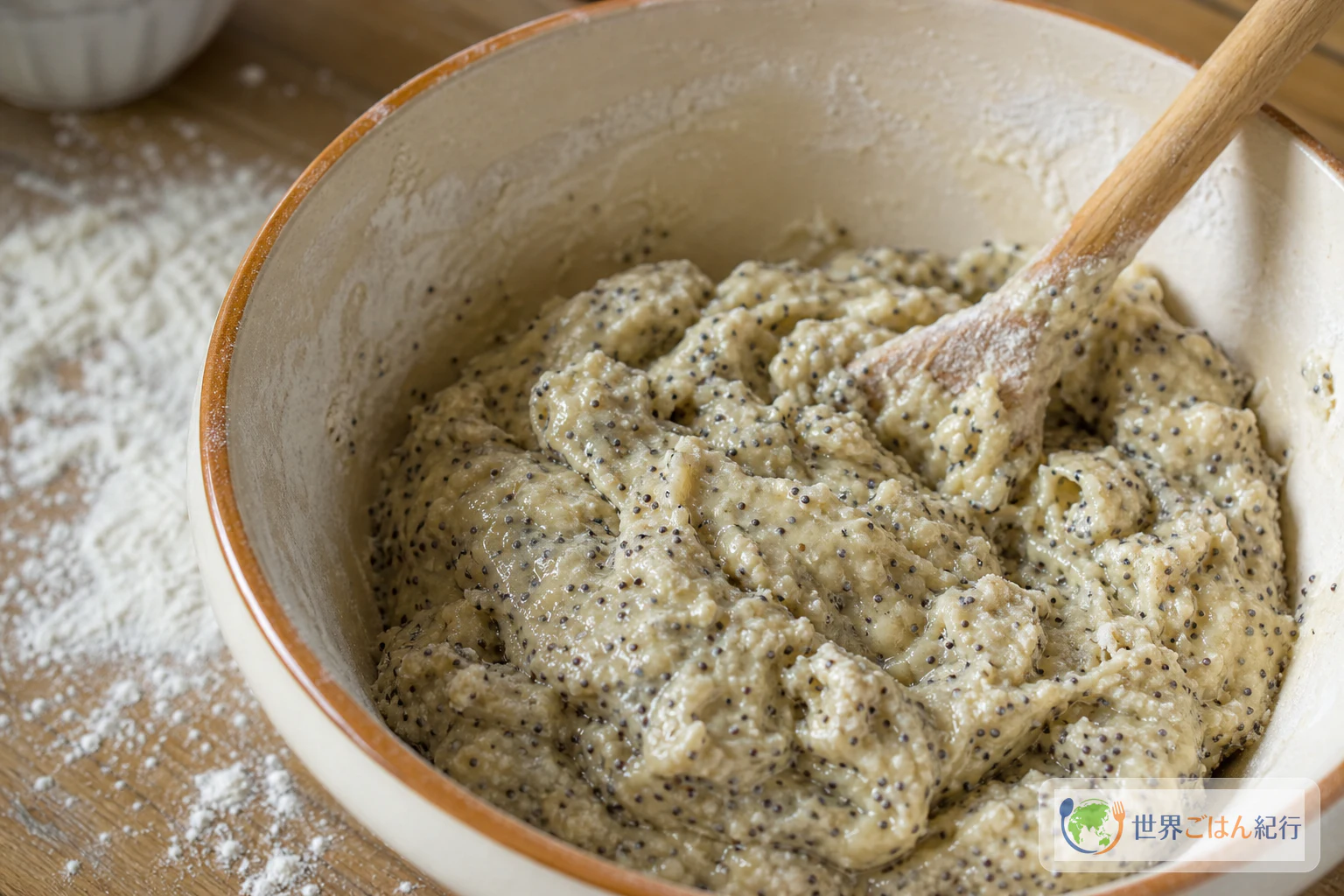
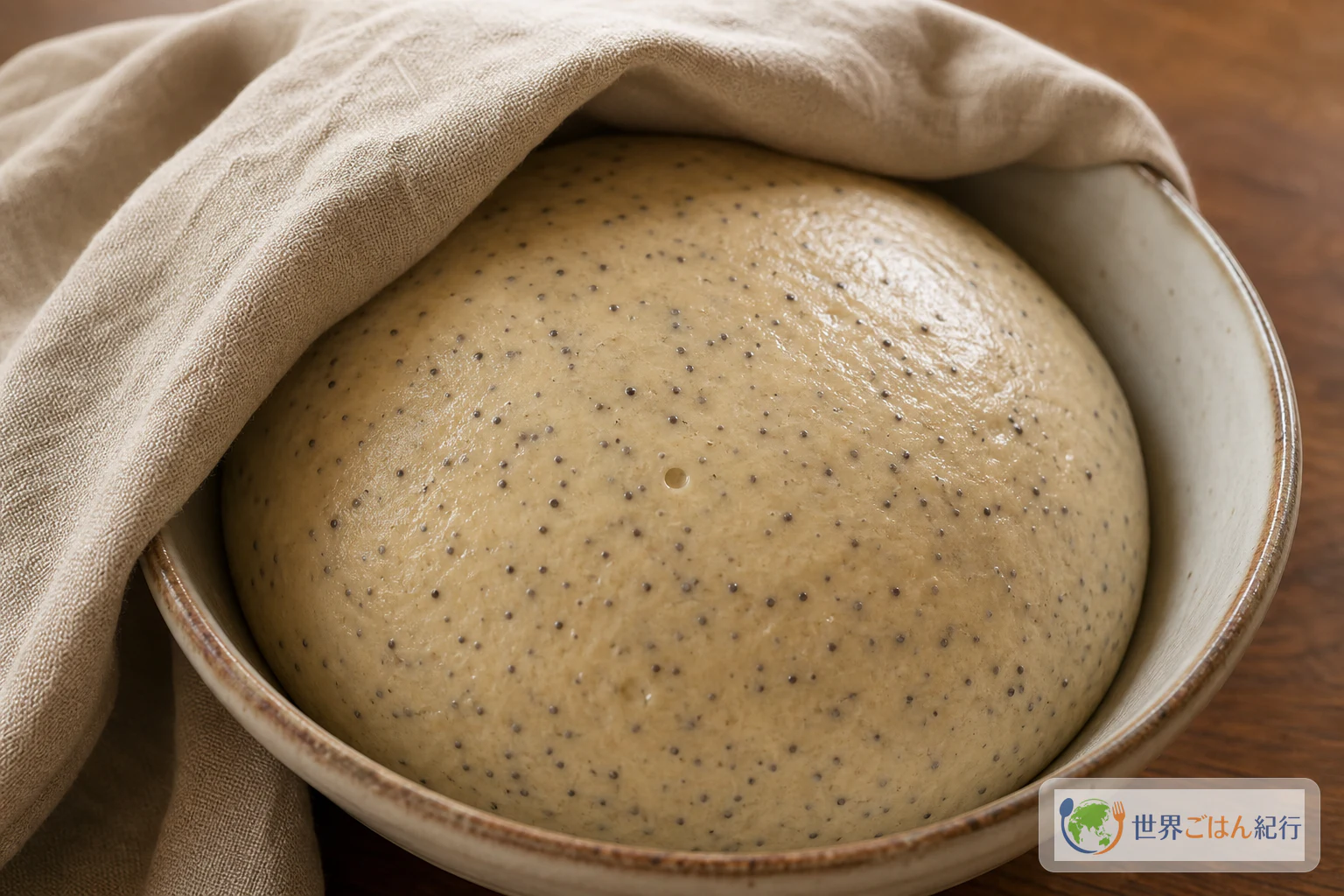
At home you can choose between a cookie-like sweet dough and a yeast-leavened one. This recipe uses the traditional yeast dough, bound lightly with warm water, oil and a little sugar, with no eggs, milk or butter. That keeps it close to the Kūčios table, which avoids meat and dairy. Kūčiukai are Lithuanian like cepelinai, but they're a winter flour dish, nothing like that potato dish.
Ingredients: serves 4
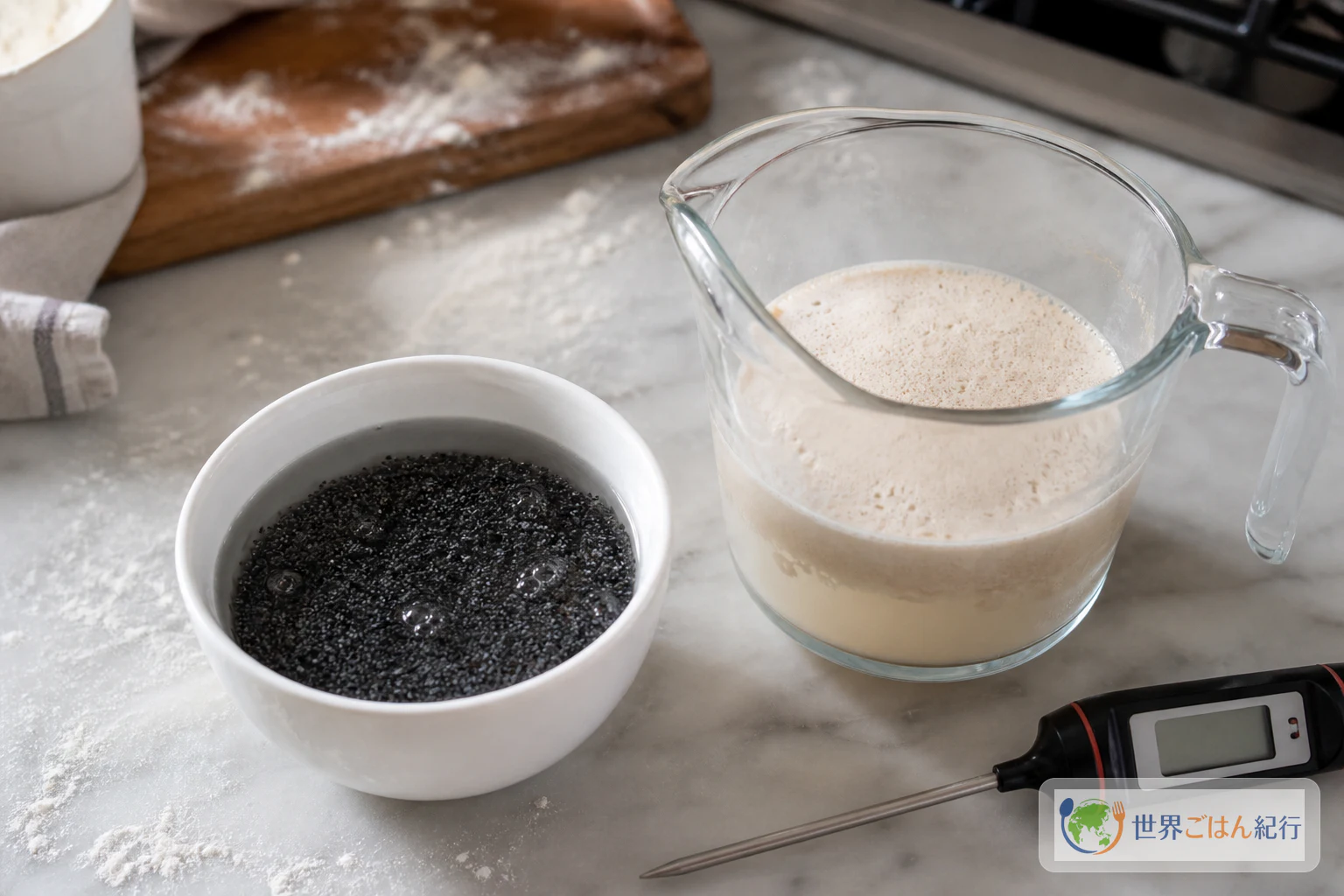
Start with a little less water. Soft flour alone breaks easily, so bread flour adds chew. Divide the poppy seeds between the dough and the milk, and soak the milk seeds first so the aroma comes out more easily.
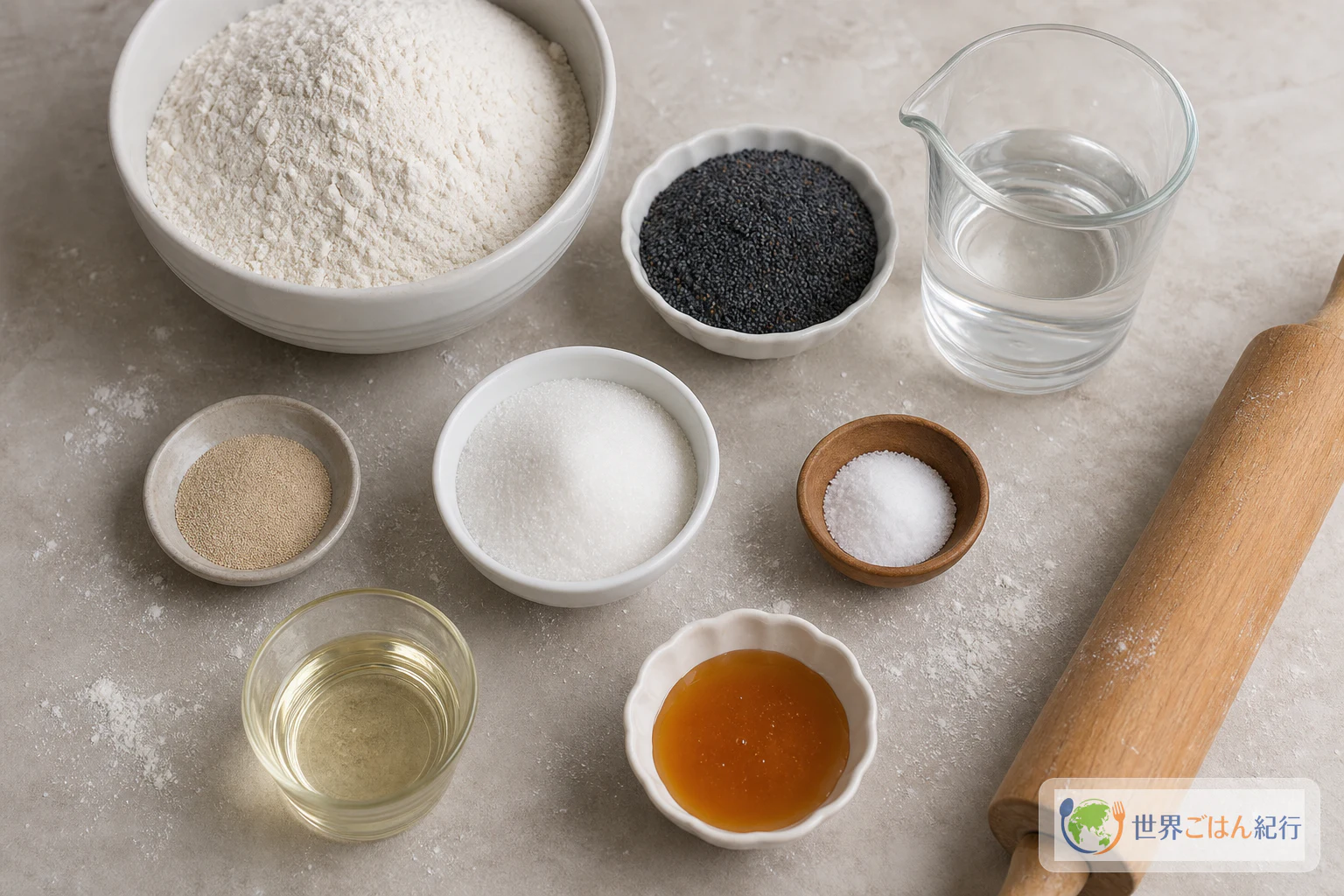
Poppy seeds are small grains, and when made into milk they leave sediment. For anyone uneasy about nuts and seeds, and for small children and older people, serve a small amount the first time. Do not let anyone prone to choking eat a lot at once.
Choosing poppy seeds and tools
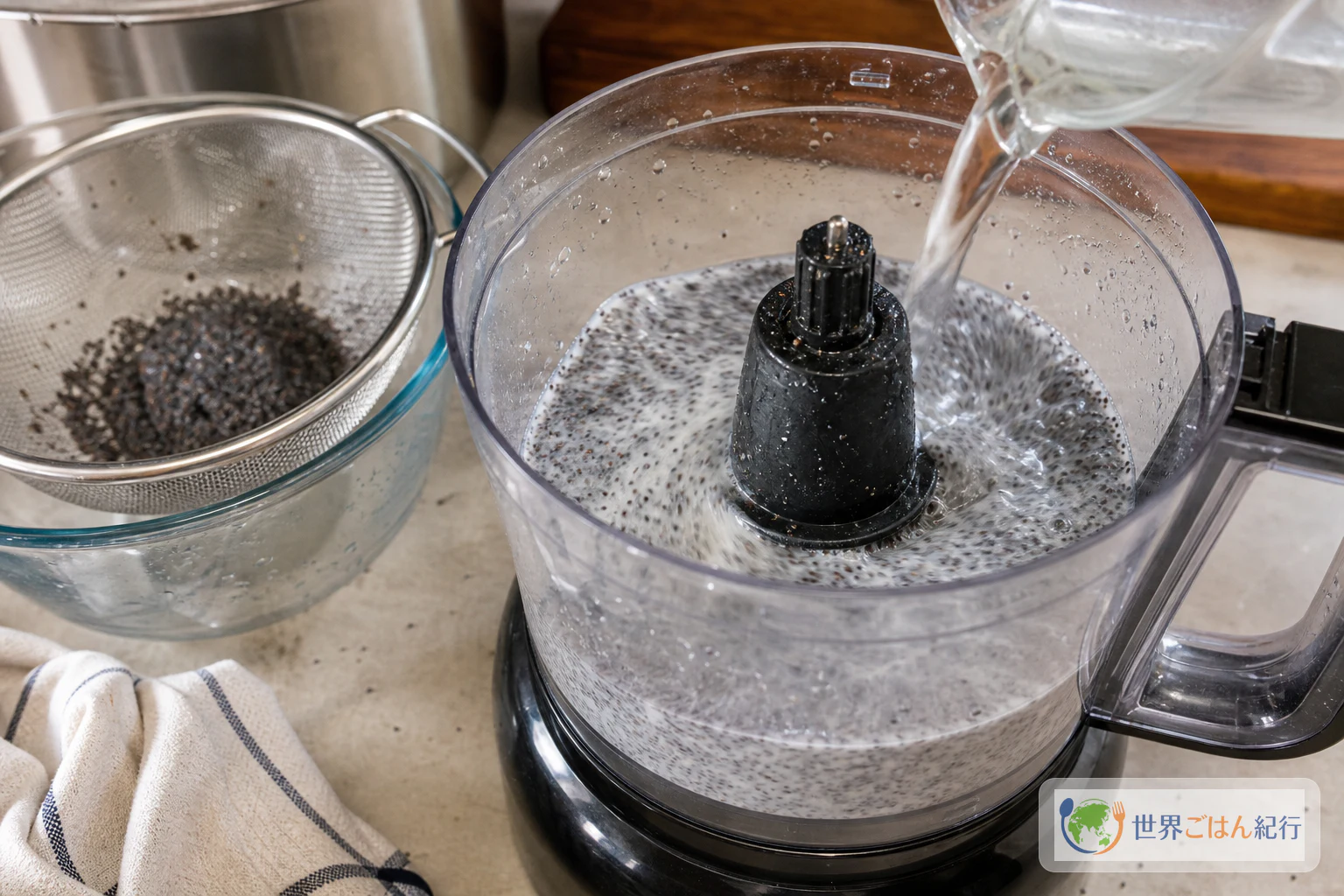
Flour, sugar and oil come from any supermarket. Poppy seeds are the only ingredient you'll have to look for: try baking suppliers, import food stores or the spice shelf, under names such as blue poppy seed. How finely you crush them decides how white and fragrant the poppy seed milk turns out.
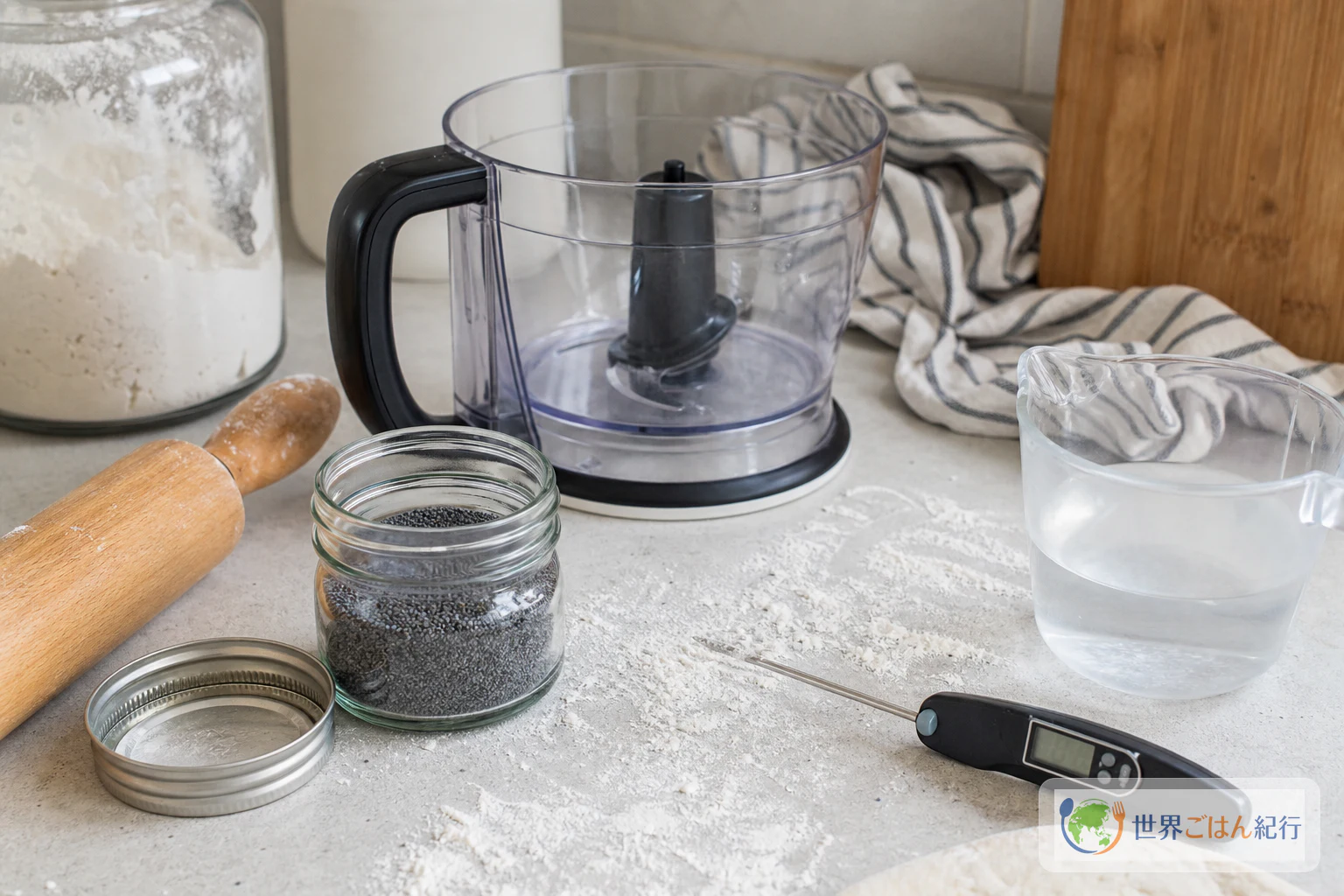
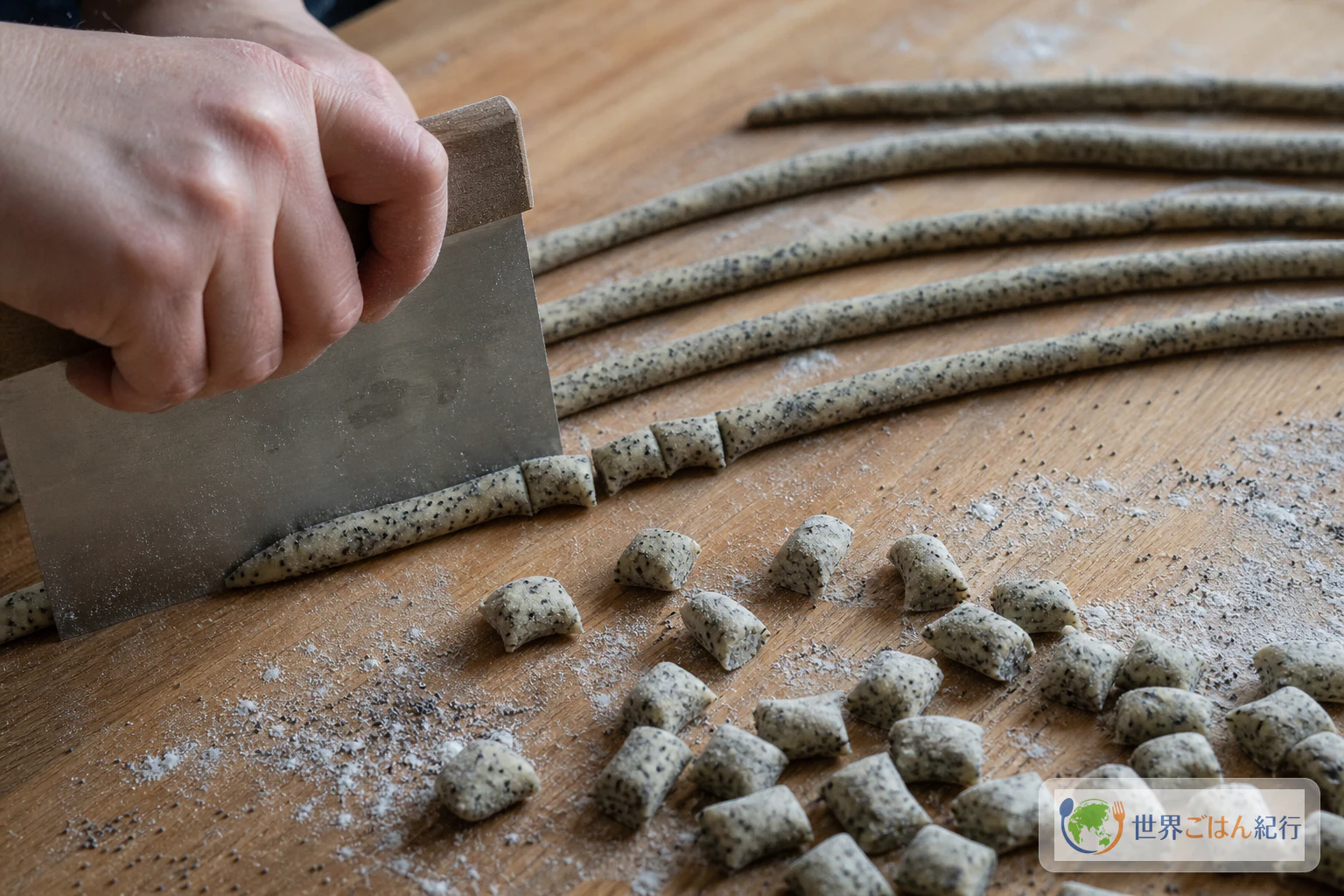
Three tools help. A small food processor gets the milk white, because a small quantity of seeds won't circulate in a large blender jar. A rolling pin isn't for rolling thin here. Use it to even out the dough's thickness before you roll it into thin ropes. A thermometer is useful because water that is too hot weakens yeast, and in a winter kitchen it tells you whether slow proofing needs more time or more warmth. You can use all three again for flour and bean dishes such as ballokume, knish and ta'amiya.
How to make them: cut small and do not over-brown
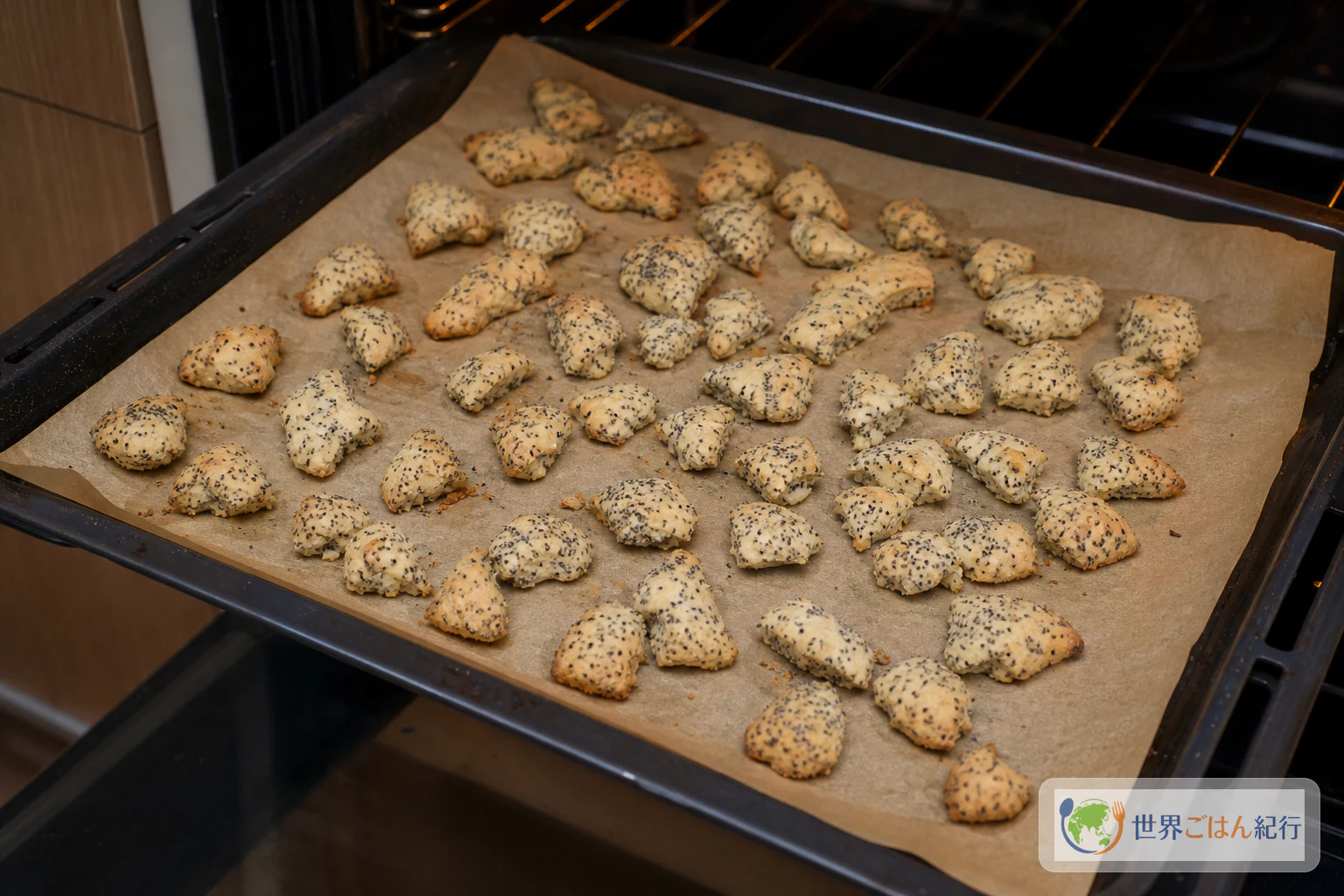
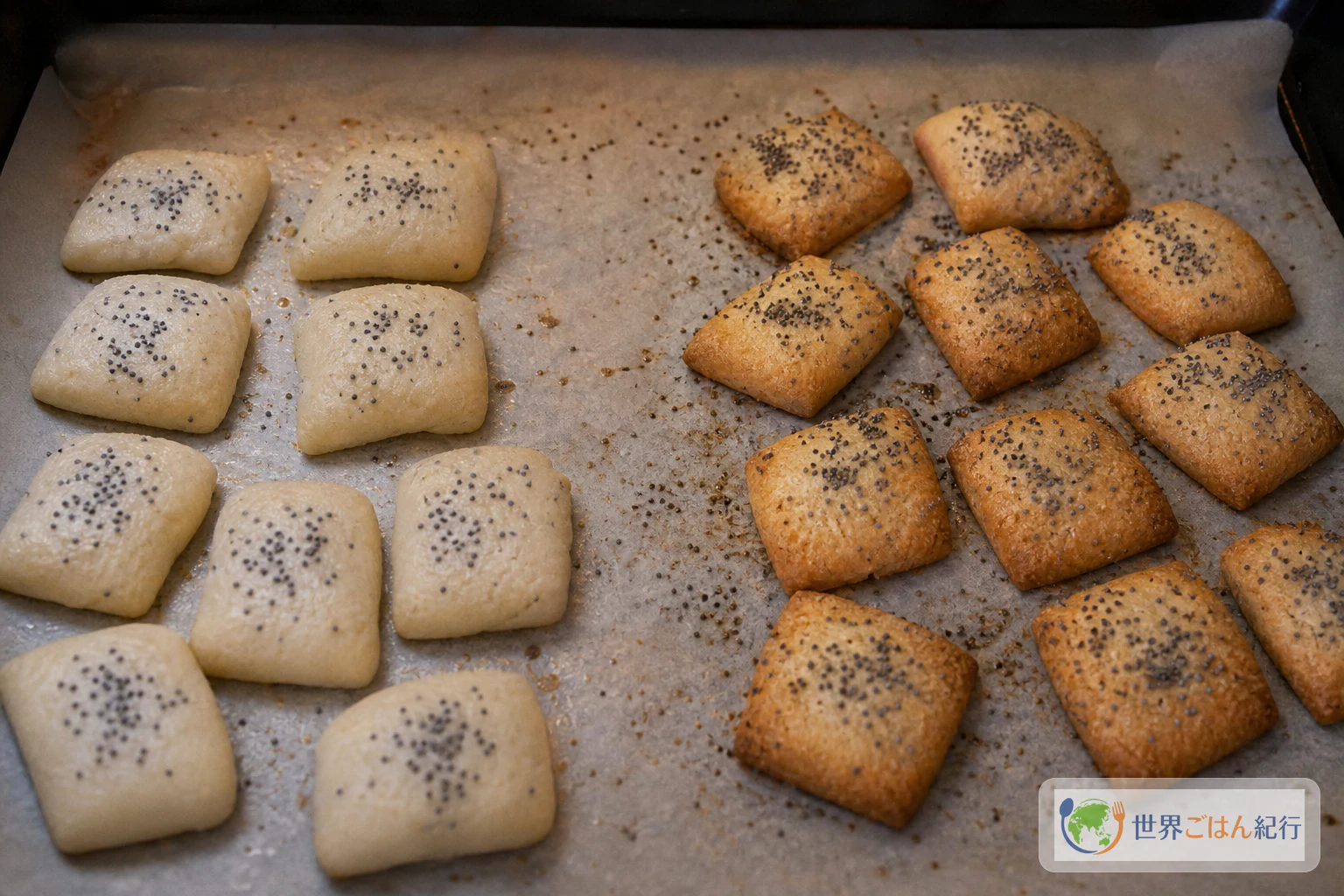
The darker they bake, the toastier they get, but in milk they turn bitter more easily. Aim for a pale golden outside and a dry center that crumbles when bitten. Ovens differ, so use the last 3 minutes to watch the color closely.
Common kūčiukai problems and fixes
There are so few ingredients that any difference in proofing, moisture or baking color shows up straight away in the texture. Watch dryness more than color. To avoid hard little pellets, cut the dough small and even, and don't seal the pastries in a container right after baking.
| Problem | Cause | Fix |
|---|---|---|
| Damp and floury inside | Pieces too big, baking time too short | Bake again at 325°F (160°C) for 5 minutes and cool completely before storing |
| Hard and bitter outside | Baked too dark | Next time check once at 12 minutes at 350°F (180°C). Do not bake to dark brown |
| Does not rise | Water too hot, yeast old, room too cold | Check the yeast water for bubbles before adding to the flour. In winter, keep the dough at 26 to 28°C |
| Milk is gray and thin | Poppy seeds not crushed | Add the water a little at a time to make a thick paste first, then thin with water |
| Falls apart as soon as soaked | Underbaked, too much soft flour | Increase the bread flour and dry on a rack for 30 minutes after baking |
Even if you're eating them fresh, cool them on a rack for at least 15 minutes. While they're hot, steam stays in the center, and sealing them in brings that moisture back. Kūčiukai left overnight dry out further and hold up better in the milk.
Serving and storing kūčiukai
Serving
Kūčiukai aren't really an after-dinner dessert. Set them beside other Eastern European flour dishes such as pierogi and knish, and you'll notice how the wheat comes through without butter or meat. If you want more sweetness, add a little honey just before eating instead of more sugar, so the poppy seed aroma stays intact. Outside the holidays, they also make a nice small bite with tea or coffee.
Dishes to make alongside
- Cepelinai: Lithuanian potato dumplings, a main dish.
- Pierogi: a classic Eastern European flour dish, good for comparing the textures of wrapped dishes.
- Knish: a Jewish flour dish wrapped around potato. Its plain dough handles much like kūčiukai dough.
- Ballokume: a spring sweet made with cornmeal and butter. The same thinking about temperature control applies.
Storage
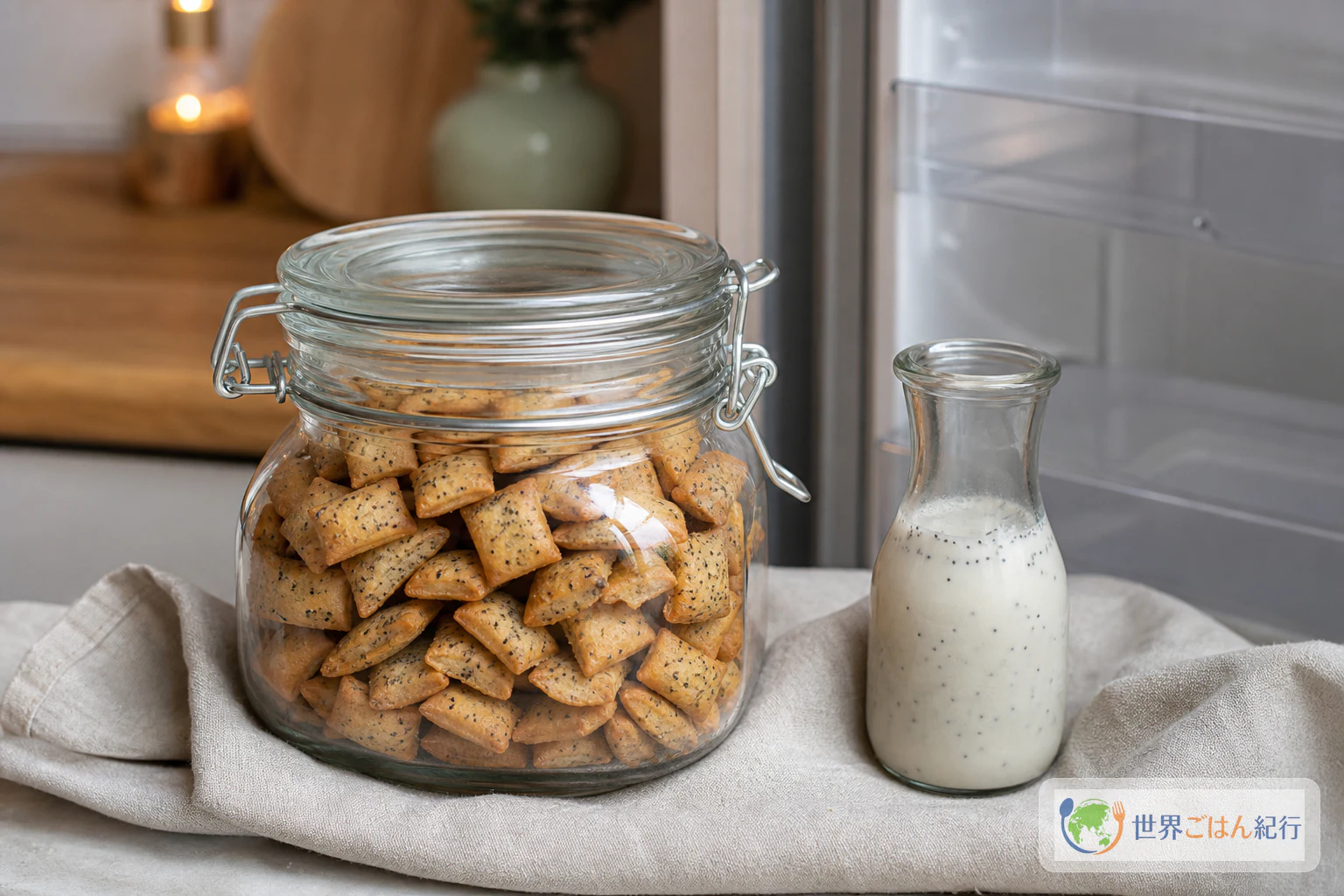
Always store kūčiukai and poppy seed milk separately. The baked pieces absorb moisture easily, and left in the milk they soften and fall apart. Keep them in a bag or jar, and combine only what you'll eat with the milk.
| What to store | How to store |
|---|---|
| Baked kūčiukai | Cool completely and put in an airtight container. Add a desiccant if you have one |
| Freezing baked kūčiukai | Press out the air in a freezer bag. Re-bake at 325°F (160°C) for 6 minutes before eating |
| Poppy seed milk | Put in a clean bottle and refrigerate. Shake before drinking |
| Kūčiukai soaked in milk | They go soft easily, so they are not for storing. Same day only |
To eat them the next day, warm the dry kūčiukai in a 325°F (160°C) oven for 4 to 5 minutes. Skip the microwave, which brings the moisture back and softens the surface. Poppy seed milk separates in the refrigerator, so shake the bottle well before pouring.
Frequently asked questions
What can I use if I have no poppy seeds?
There is no perfect substitute. Black sesame adds toastiness, but it lacks the light, sweet aroma of poppy seeds. You can use 8 g black sesame in the dough, but for the milk, stick with poppy seeds.
Can I make it without yeast?
Yes. A modern version uses baking powder. Yeast gives the wheat aroma of a leavened dough and a texture close to a small dry bread. On a busy day, increase the soft flour and use 1 tsp baking powder, and the result will be more like a cookie.
Can I warm the poppy seed milk?
It's easier to handle at room temperature or cold. If you do warm it, keep it under 122°F (50°C) and don't let it boil. Strong heat drives off the aroma and brings out the bitterness of the seeds.
How long should I soak them in the milk?
Soak them for 3 minutes. The surface should have absorbed the milk, with a light bite left at the center. For a softer texture, leave them 5 minutes; any longer and they fall apart.