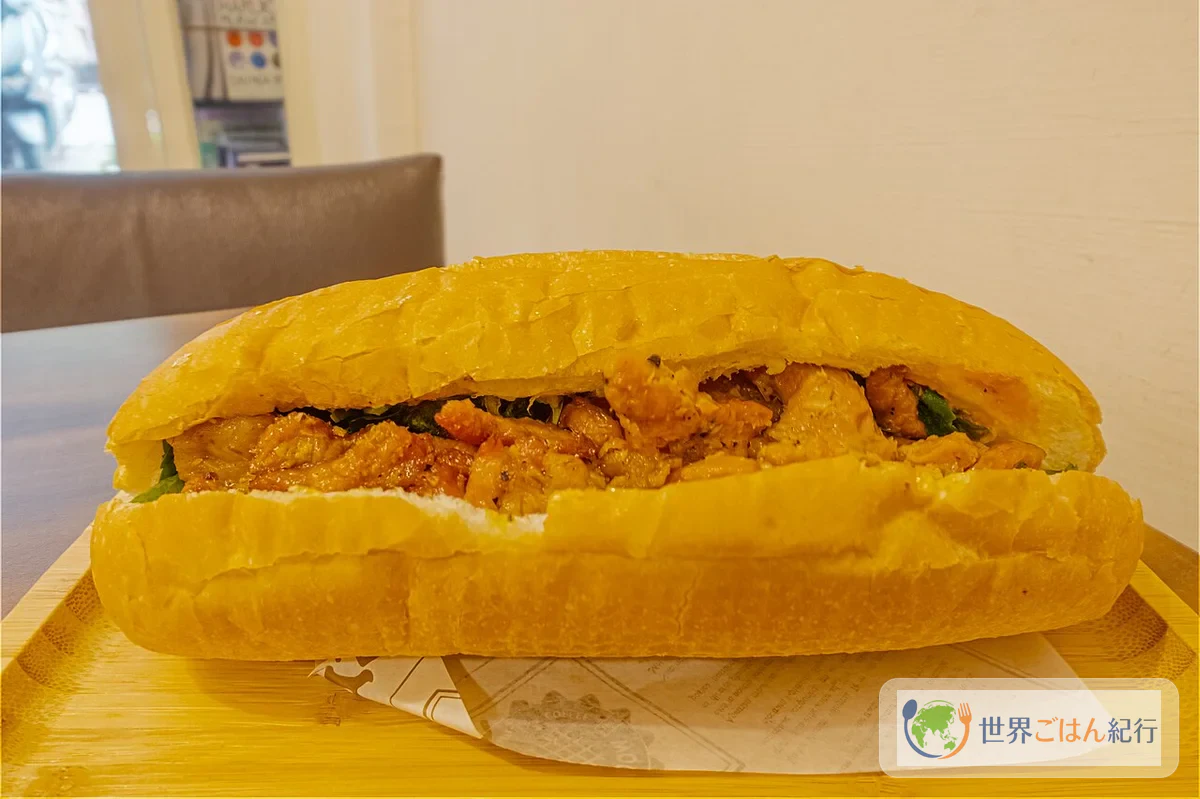
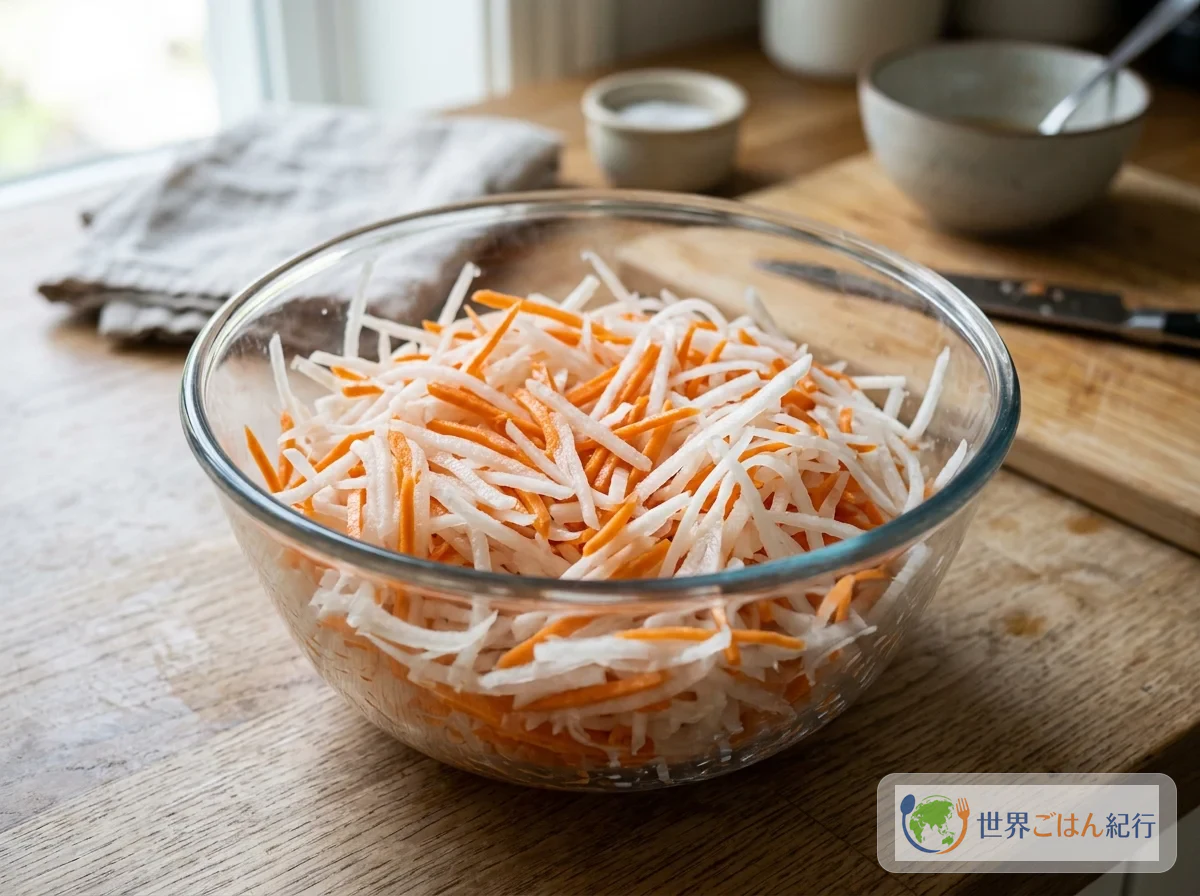
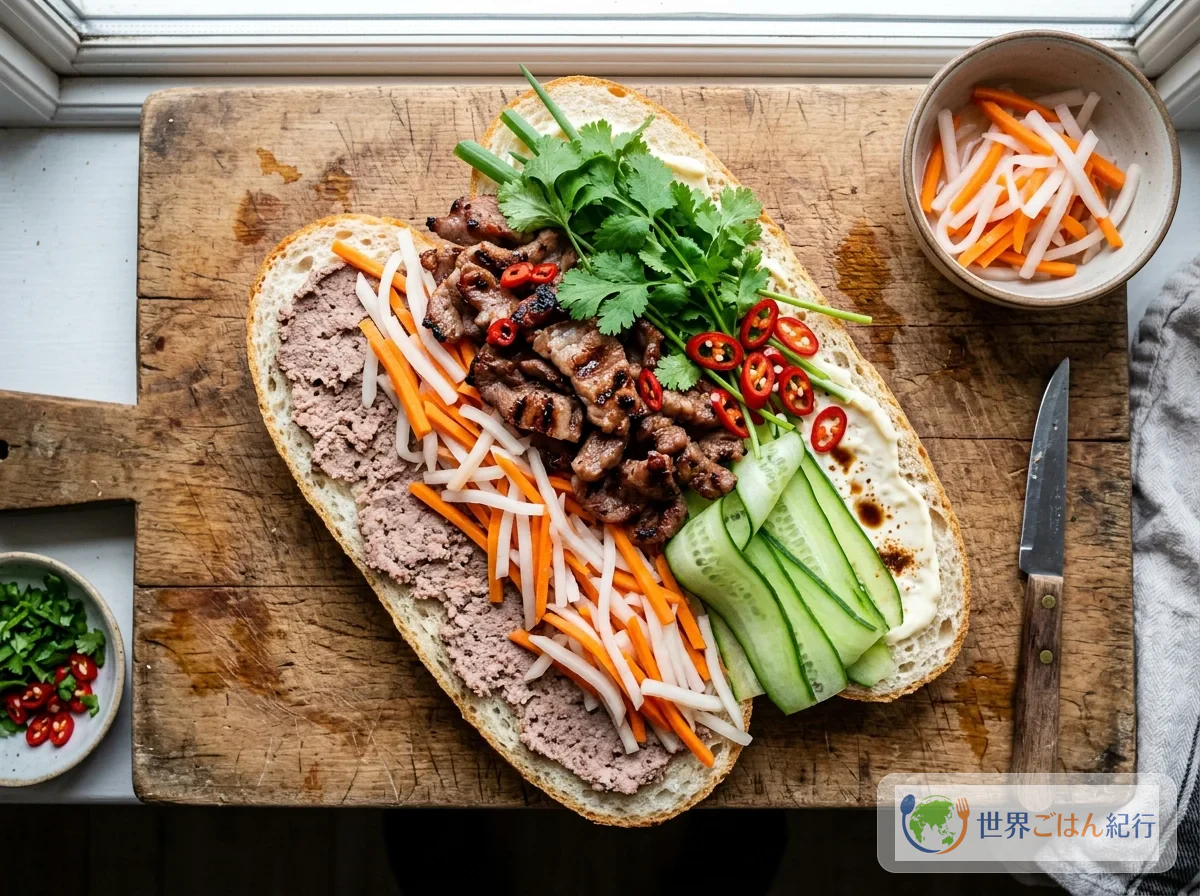
Crack into a good bánh mì and the thin crust shatters. Under it you find lemongrass-scented pork, a rich layer of liver pâté, the sour snap of pickled daikon and carrot, and plenty of cilantro. The sandwich was born in Saigon (now Ho Chi Minh City), where people took the baguette the French had brought and decided they could make it better. They ended up with something entirely new, a loaf of bread that holds salty, sweet, sour, bitter and savory flavors all at once. The classic version below uses ingredients from an ordinary supermarket or an Asian grocery.
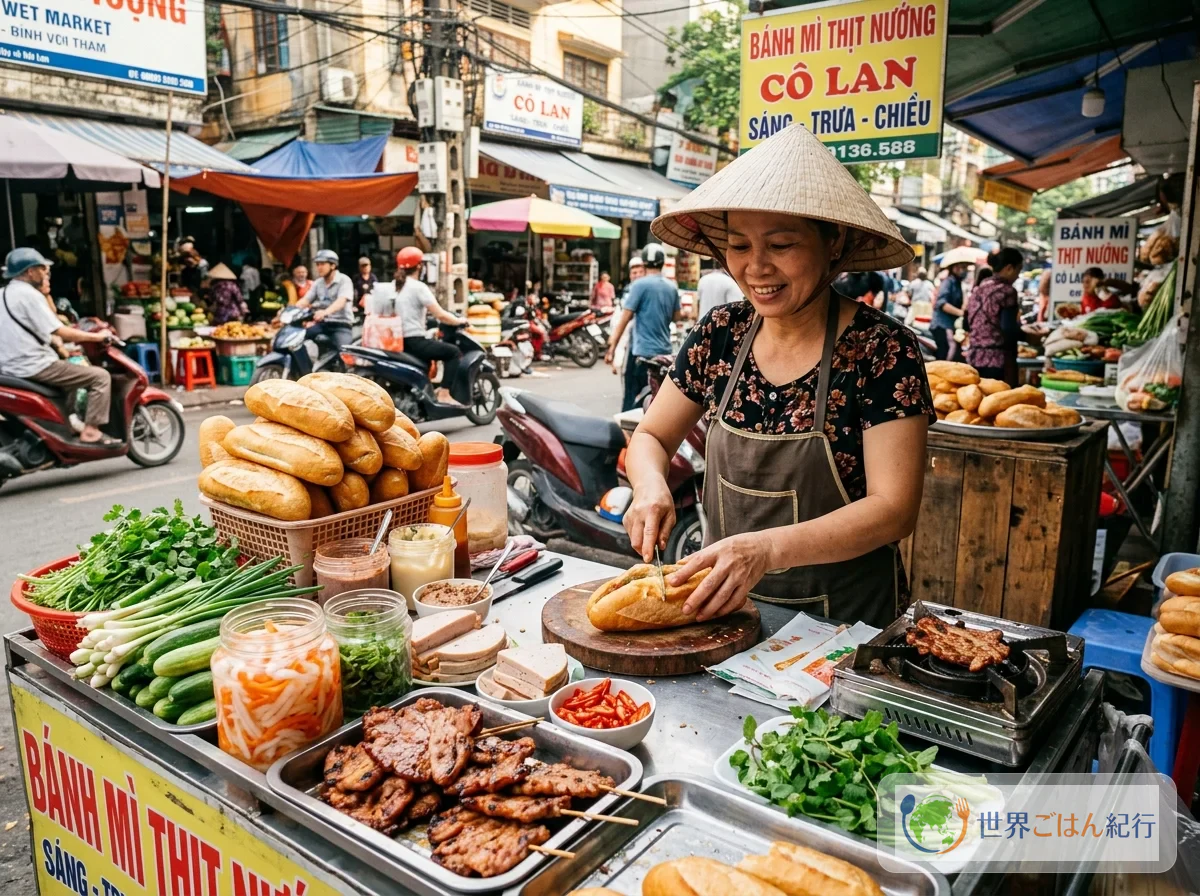
Bánh mì history, flavors and types
The bread the French brought
When France colonized Vietnam in the late 19th century, the French brought the baguette and their bakery culture with them. The trouble was the climate. Vietnam is too hot and humid for growing wheat, and wheat flour was an expensive import. After some trial and error, local bakers started mixing rice flour into the wheat flour.
That workaround turned out to be a happy accident. Bread made with rice flour has a thinner, crisper crust and a lighter inside than a French baguette. It's easy to crush, so it holds a heavy filling and is still easy to bite through. That bread became the basis of the bánh mì.
1954 and the first bánh mì thịt
In 1954 the French were decisively defeated at Dien Bien Phu, which ended more than 70 years of colonial rule. The Geneva Accords then divided Vietnam into north and south. That year about one million people moved from the north to the south, and many of them settled in Saigon. This migration set the stage for the bánh mì.
One of those migrants, Lê Minh Ngọc, opened a small bakery called "Hòa Mã" in District 3 with his wife, Nguyễn Thị Tịnh. In 1958, Hòa Mã became the first to sell the "bánh mì thịt" (bánh mì with meat), and it is remembered as the direct ancestor of the modern bánh mì. The French had filled the baguette with ham and butter. The new version swapped the butter for mayonnaise and added pâté, lemongrass pork, homemade pickles and fresh herbs, which turned the parts of an expensive French meal into food for ordinary people. Ukraine's beet soup, borscht (in Japanese), is a similar case: a famous dish that developed its own character amid the historical conflict between Russia and Ukraine.
From Saigon to the world
After the Vietnam War ended in 1975, many Vietnamese left the country as refugees and immigrants. They brought bánh mì to the United States, Australia, Canada and France, and the sandwich kept changing as it picked up local ingredients. In 2011 "bánh mì" entered the Oxford English Dictionary.
Fame hasn't changed its role at home. In Vietnam today, bánh mì stands are everywhere and sell the sandwiches at affordable prices. It is still everyday food for ordinary people, and that may be the most defining thing about it.
Five tastes in one bite
A bánh mì is built so that all five tastes come together in a single bite.
| Taste | Ingredients that supply it |
|---|---|
| Saltiness | Fish sauce, light soy sauce (or Maggi sauce), pâté |
| Sweetness | Pickled carrot, the sugar marinade on the grilled pork |
| Sourness | The rice vinegar in the đồ chua, cucumber |
| Bitterness | Cilantro, scallions |
| Umami | The liver in the pâté, the glutamates in the pork |
| Heat (pungency) | Green chile |
The textures are just as deliberate. The thin crust cracks, the smooth, creamy pâté meets the crunchy đồ chua, and the juicy pork plays off the fresh vegetables. Đồ chua, a sweet-and-sour pickle made with rice vinegar and sugar, does a lot of the work: its sourness cuts the fat of the meat and pâté, so each bite tastes as fresh as the first.
Types of bánh mì
Bánh mì types are named for their fillings. Here are five common ones.
| Type | Features | Difficulty |
|---|---|---|
| Bánh Mì Thịt | The works: grilled pork, pâté and vegetables. The classic | ★★☆ |
| Bánh Mì Ốp La | With a fried egg. A Vietnamese breakfast staple | ★☆☆ |
| Bánh Mì Gà | With chicken. A lighter flavor | ★☆☆ |
| Bánh Mì Chay | Vegetarian, with tofu or tempeh. Popular with Buddhists | ★★☆ |
| Bánh Mì Kẹp Kem | A dessert version with ice cream inside. An unexpected pairing that is hugely popular | ★☆☆ |
The recipe here is the classic bánh mì thịt (with lemongrass pork).
Vietnamese cuisine developed its own character while absorbing influences from China, India and France. Its hallmarks are a balance of the five tastes, heavy use of fresh herbs and the use of fermented foods. Try it alongside Thailand's gapao rice (in Japanese) to taste how cooking in the region's countries differs.
Ingredients (makes 4 sandwiches)
Authentic pâté is made with pork liver, but this shortcut works surprisingly well: mash 1 can (7 oz/200 g) of mackerel in water with a fork and mix in 20 g butter and black pepper. It tastes remarkably similar, and it is rich in omega-3 fatty acids too.
In Vietnam a few drops of Maggi Seasoning Sauce go on the sandwich (source: RecipeTin Eats - Bánh Mì Vietnamese Sandwich). Asian grocers and import stores usually carry it. If you can't find it, light soy sauce plus a little fish sauce (2:1) gets closest.
Choosing bread and pâté for bánh mì
In Vietnam, bánh mì bread is made with rice flour mixed into the wheat flour, which makes it lighter and crisper than a French baguette. A regular baguette is a bit heavier, but it works well enough. If you want that light, authentic texture, try baking your own and replace 10–15% of the flour with rice flour. It's a fun project.
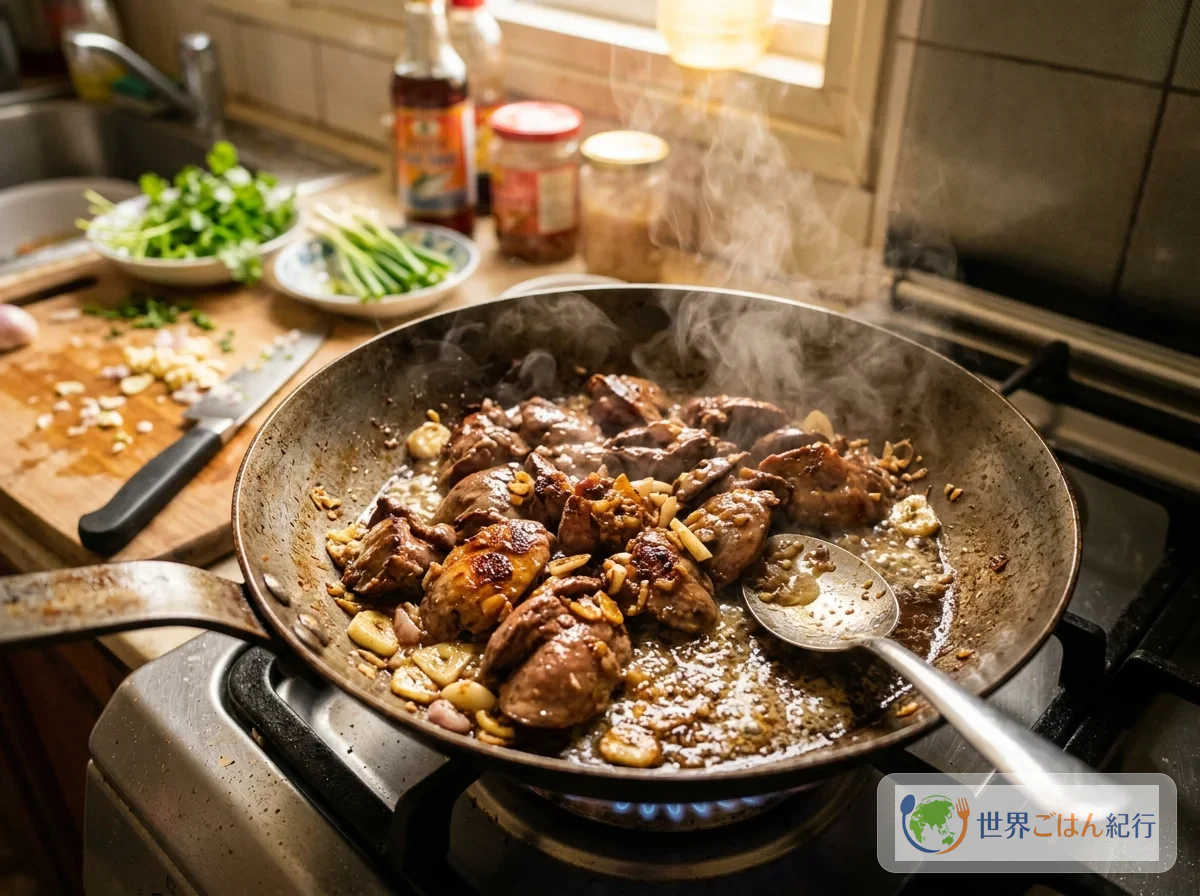
The pâté gives the sandwich its umami, and without it everything tastes a little flat. If you don't like pork liver or can't find pâté, try an "easy pâté" of canned mackerel mashed with a fork and mixed with butter and black pepper. It adds a surprising depth of flavor. Store-bought liver spread or pâté de campagne also works, and for a fusion bánh mì you can spread hummus (in Japanese) (chickpea paste) in its place.
The đồ chua is usable after at least 1 hour of pickling, but if you leave it overnight the flavors blend and it tastes far better. It keeps about a week in the refrigerator.
Eating liver that is still pink carries a risk of food poisoning. Cook it until it is gray throughout. Use it within 3 days when refrigerated.
If you can't find a baguette, a crusty French-style roll works well. A very soft hot dog bun soaks up the moisture from the fillings and turns soggy, so choose one with a crisp bite if you can.
Bánh mì contains wheat (the baguette), dairy (butter, and the milk used to prep the pâté), fish (fish sauce, and the canned mackerel if you use it) and egg (mayonnaise). If you have an allergy, swap out the ingredient in question. People who can't eat gluten can switch to a rice flour bread. For a dairy allergy, make the pâté without butter and milk, or leave the pâté out.
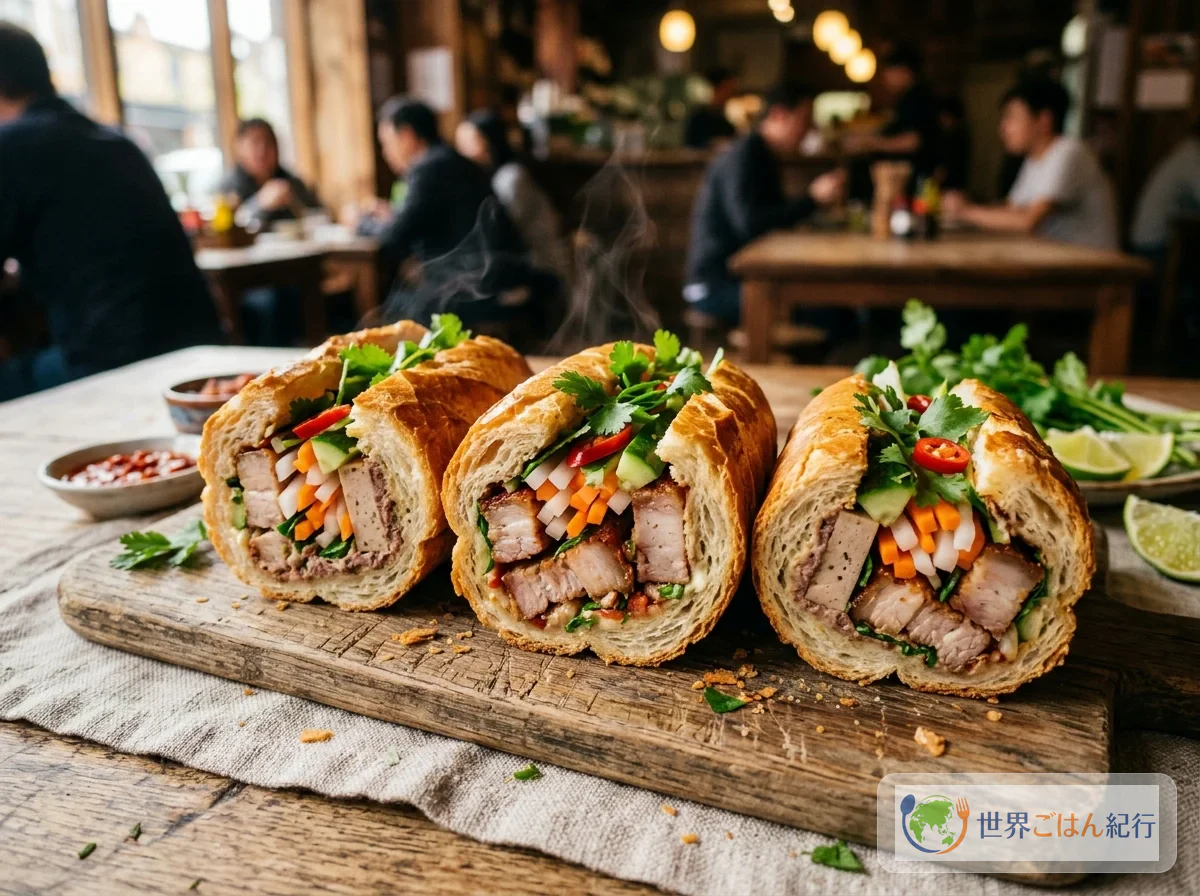
Bánh mì tips and common mistakes
Sourness resets your palate. It cuts the lingering richness of the fat and protein, so you taste the next bite more keenly. Add more than you think you need, because the pickles are what keep a bánh mì from getting boring.
A thin smear leaves the whole sandwich tasting flat. Vietnamese sandwich makers spread pâté until the inside of the bread is completely covered.
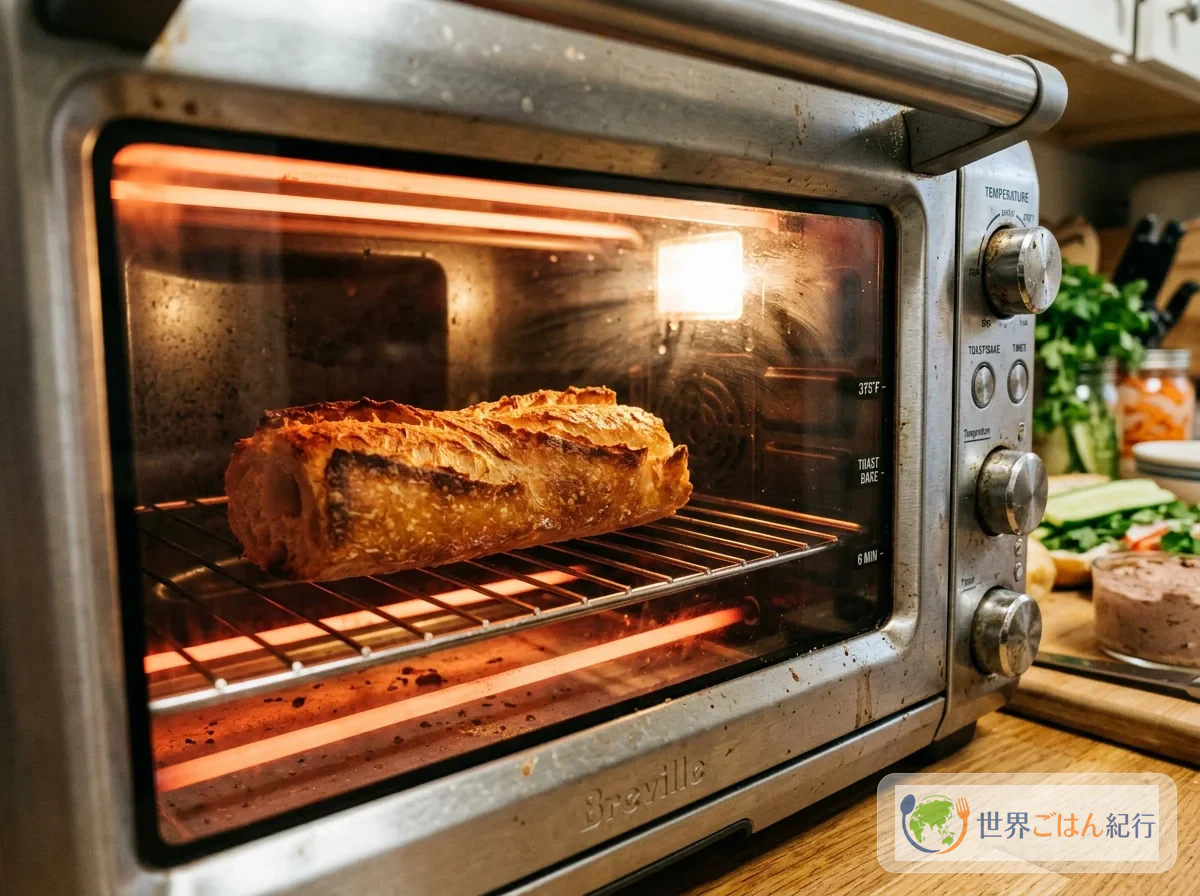
The crisp crust is essential. Bread at room temperature soaks up moisture from the fillings and goes soggy. Three minutes in a toaster oven makes a completely different sandwich.
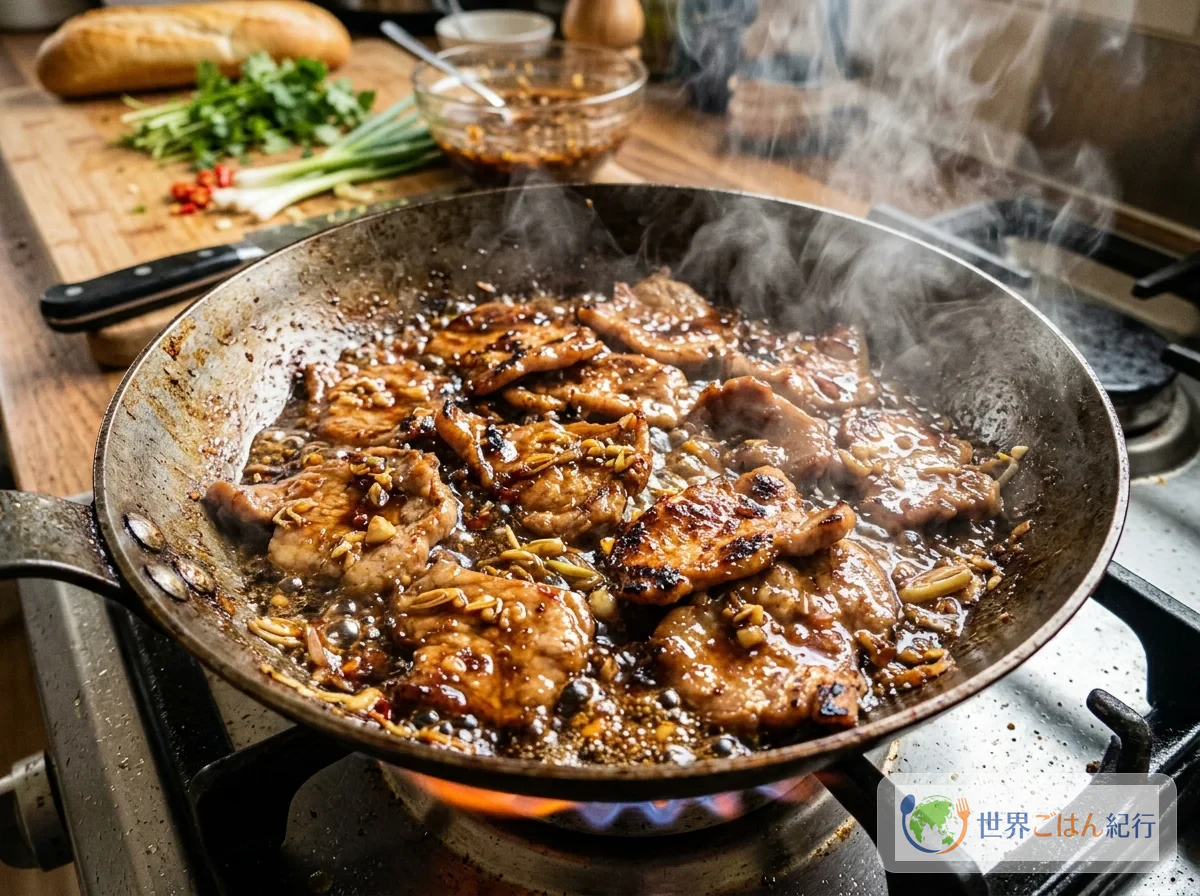
A longer marinade deepens the flavor dramatically. Marinate the pork the day before and cook it on the day, and the sandwich comes together in no time. You can also make a big batch and freeze it.
Serving, storing and bánh mì variations
Serving and storing bánh mì
Bánh mì is best freshly made. Moisture from the fillings soon moves into the bread, and even in the refrigerator an assembled sandwich turns damp within a few hours. If you're taking one with you, do what the pros do: pack the đồ chua separately and add it just before eating.
To prepare ahead, store each component separately. The đồ chua keeps about a week in the refrigerator. The lemongrass pork keeps 3 days refrigerated or 1 month frozen, and the pâté keeps 3 days refrigerated. Warm the baguette and assemble just before eating. Shakshuka (in Japanese) (eggs in tomato sauce) is another handy make-ahead dish: refrigerate it alongside the đồ chua, add herbs, and you have a breakfast set.
Fusion plates that pair bánh mì with sides such as tabbouleh (parsley salad) or hummus (in Japanese) (chickpea dip) are also popular. See also the overview of Middle Eastern cuisine (in Japanese).
Breakfast bánh mì (bánh mì ốp la)
Fry an egg in a skillet and use it in place of the lemongrass pork. Keep the mayonnaise and pâté, and use tomato slices instead of đồ chua if you like. It makes a rich breakfast in 5 minutes.
Vegetarian bánh mì (bánh mì chay)
In place of the pork, slice firm tofu 0.5 inches (1 cm) thick and pan-fry it, seasoned with lemongrass, garlic, sugar and light soy sauce. For a chewier, more meat-like texture, freeze the tofu and thaw it before using. The shortcut pâté made with canned mackerel and butter contains fish and dairy, so for a fully plant-based sandwich, skip the pâté or use a plant-based spread.
Chicken bánh mì (bánh mì gà)
Cook chicken breast in the lemongrass marinade. It has less fat than pork and tastes lighter, which makes it a good choice if you're health-minded. Chicken thighs make a juicier sandwich.
Kids' bánh mì
For children, leave out the green chile and use a little less vinegar in the đồ chua. If your kids don't like cilantro, shiso gives the sandwich a different, fresh aroma.
Bánh mì with everyday ingredients
- Bread → sandwich bread, for a "bánh mì-style open-faced sandwich"
- Pork → pork sliced for ginger pork (switch the seasoning to fish sauce + lemon + sugar)
- Pâté → mentaiko mayonnaise (a surprisingly good fit as an umami base)
- Đồ chua → store-bought sweet-and-sour pickled daikon (a quick pickling mix saves time)
If you like the grilled meat and fresh herbs in bánh mì, Thailand's gapao rice (in Japanese) works on the same idea. Turkey's kebab is also marinated in spices and then grilled, like lemongrass pork, so it makes an easy next step. Indonesia's national dish, nasi goreng (in Japanese), and Lebanon's falafel (in Japanese) are popular too.
Frequently asked questions
I don't like cilantro. Can I leave it out?
You can, but the balance of aromas changes. Mitsuba or shiso (perilla) does a similar job: mitsuba is cooling, and shiso adds a Japanese note while keeping the overall balance. Many people come to like cilantro over time, so it's worth trying a small amount.
Can I use store-bought pickles instead of đồ chua?
You can, but I strongly recommend making your own. Store-bought sweet-and-sour pickled daikon can be quite salty, which easily throws off the balance. Đồ chua needs only daikon, carrot, vinegar and sugar, and it takes 15 minutes to prepare. Once you have a jar, you'll find other uses for it, such as a side for dumplings or a salad topping.