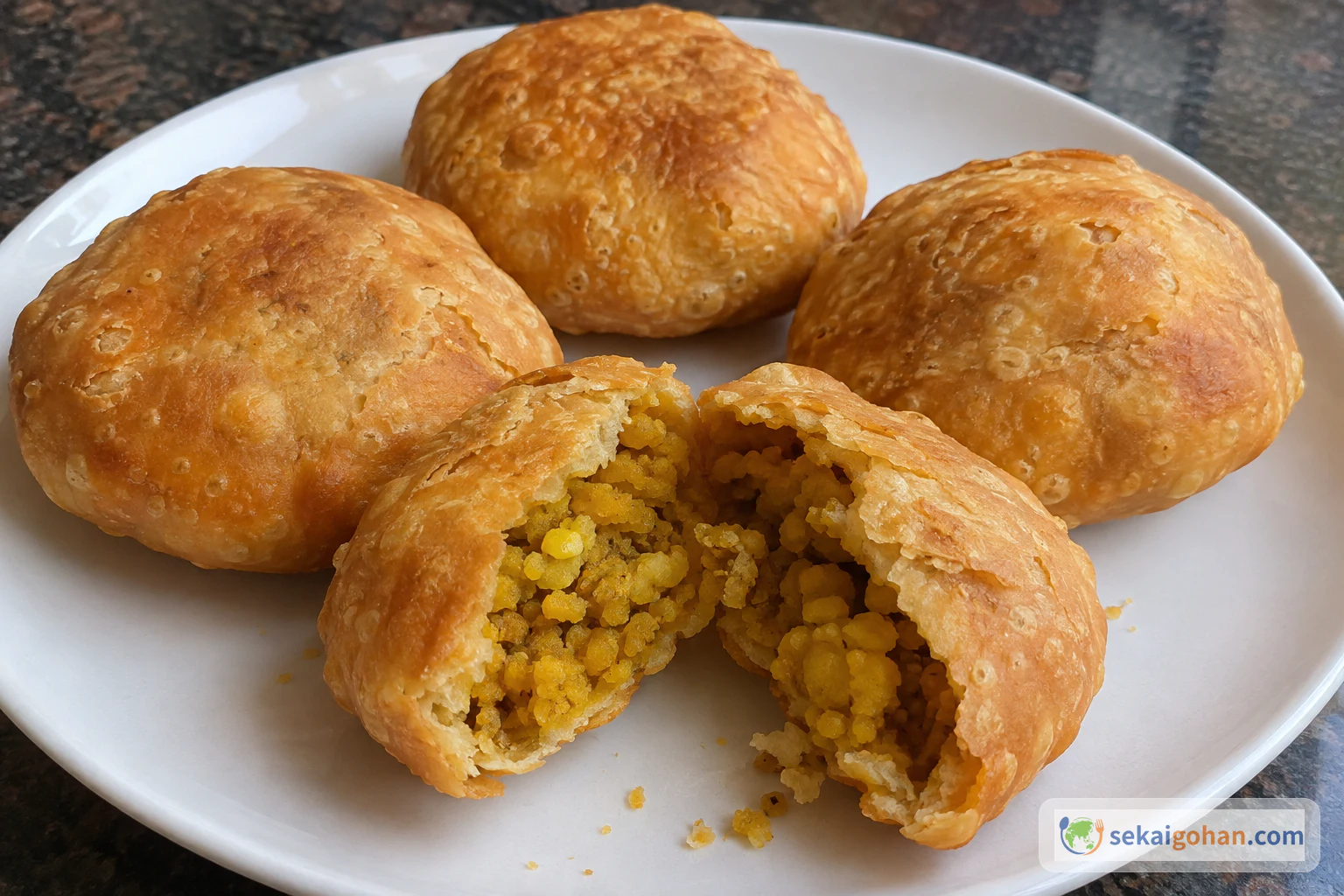
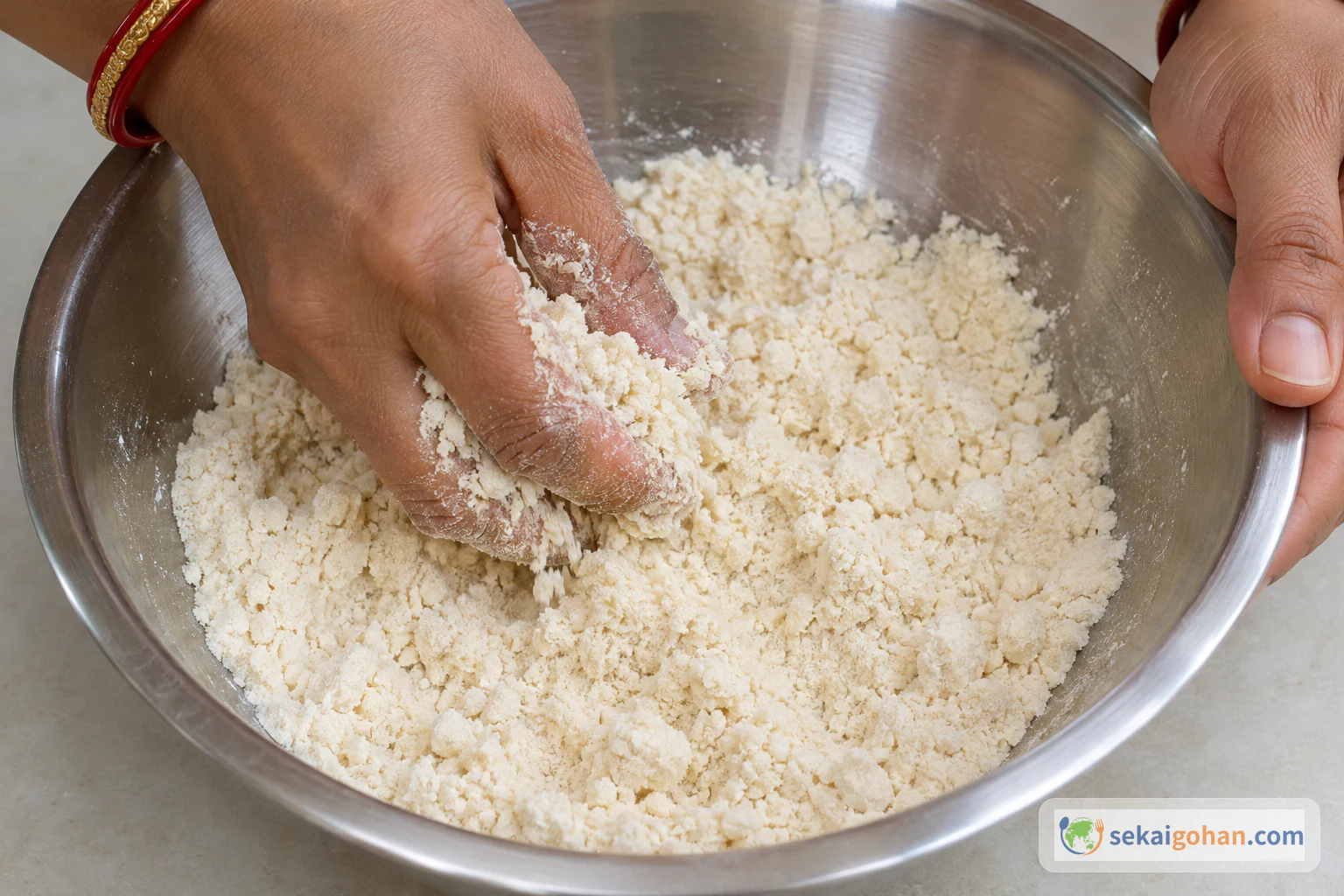
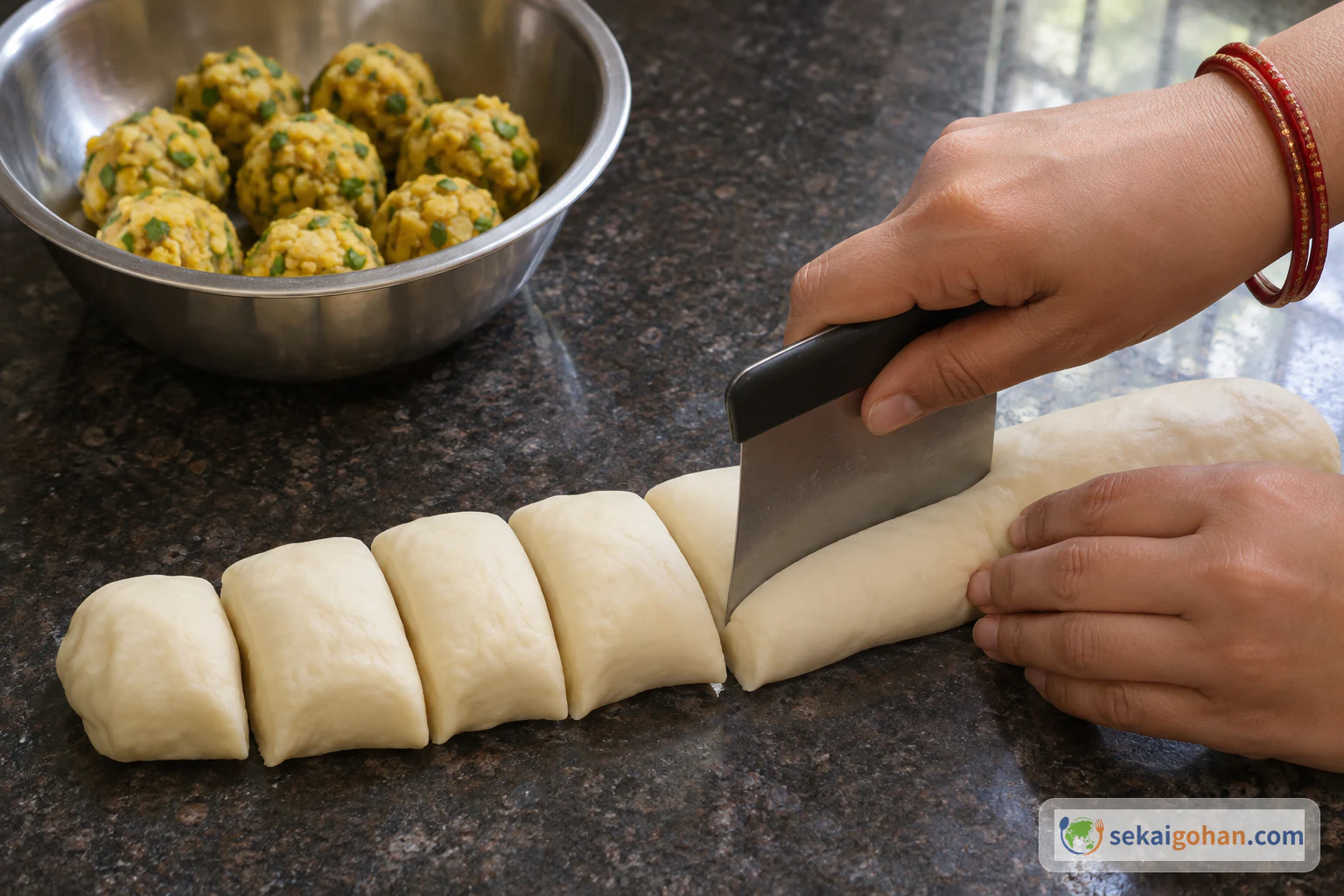
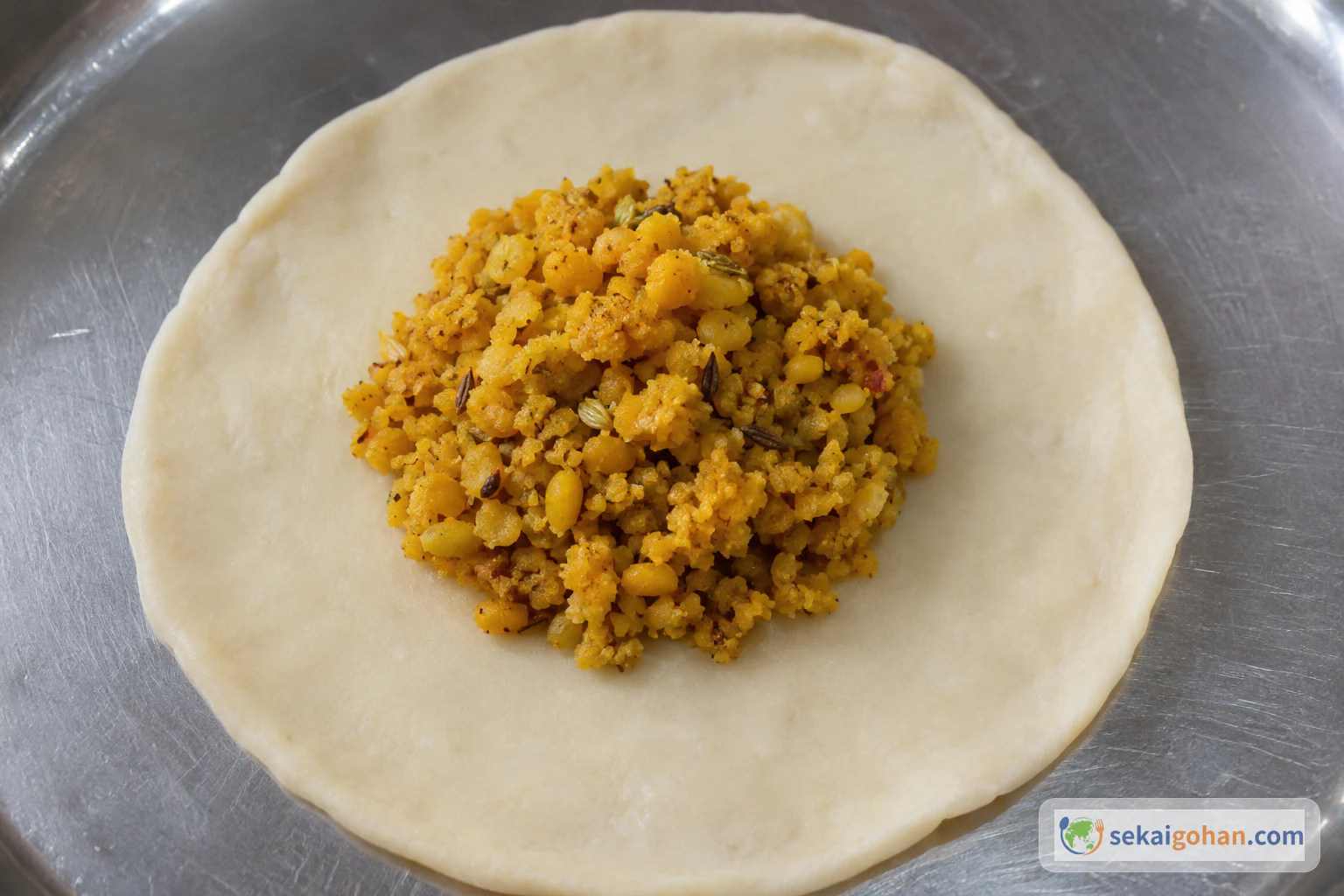
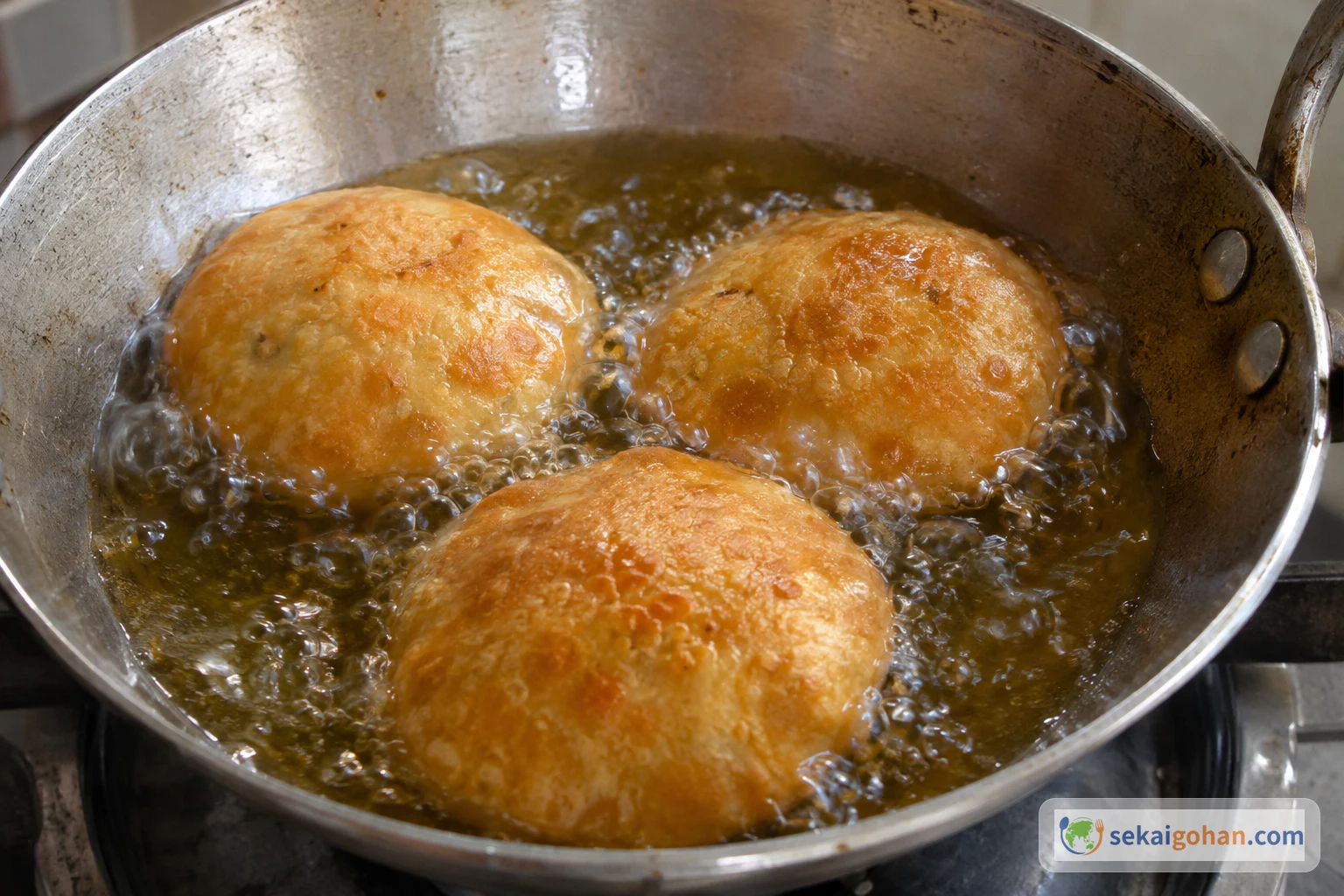
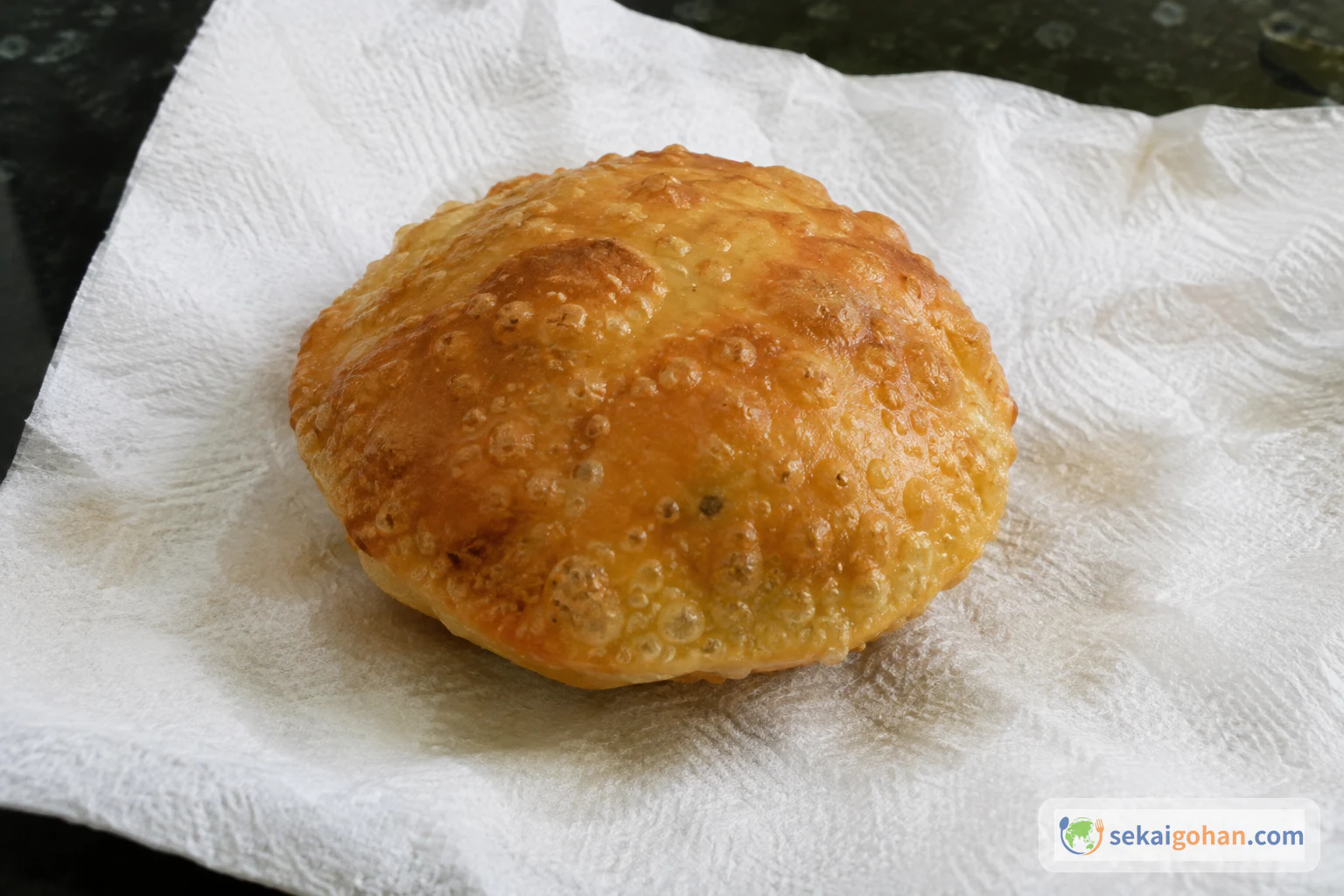
A good khasta kachori has a shell that shatters when you bite into it, and a filling that still has some texture. The filling is yellow moong dal, ground coarse and cooked in ghee with warm spices. The dough is rubbed with ghee so it turns flaky. Then the kachori fry slowly, at low to medium-low heat, until the outside is golden and crisp all the way around. This version is the moong dal kachori of Uttar Pradesh, in North India.
Khasta Moong Dal Kachori from Uttar Pradesh
Kachori are round discs of wheat dough wrapped around a spiced filling and deep-fried. There are many regional styles with different fillings, and recipes vary a lot from cook to cook. Khasta means crisp and flaky, which is exactly what this shell should be. For more dishes from the same country, see India.
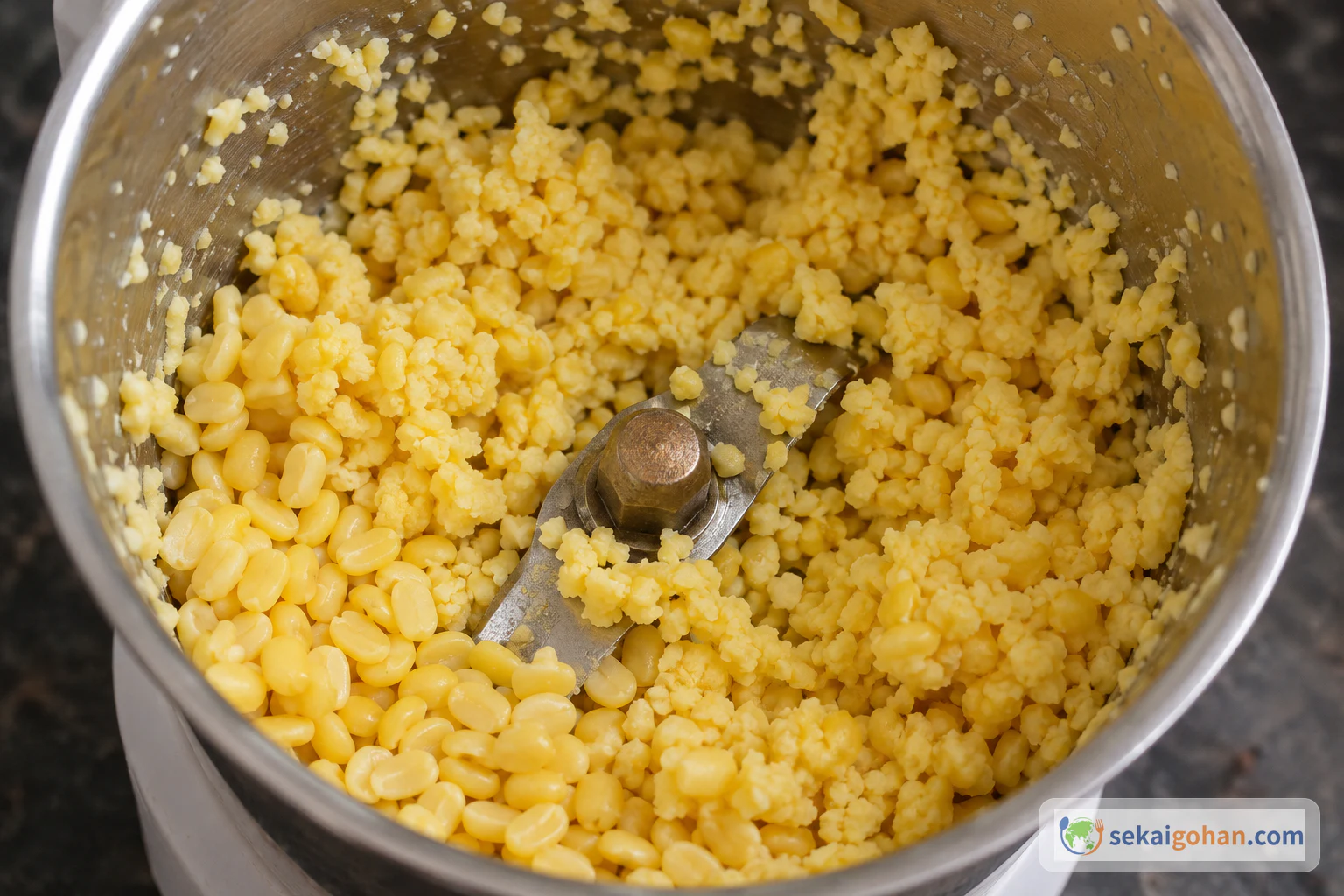
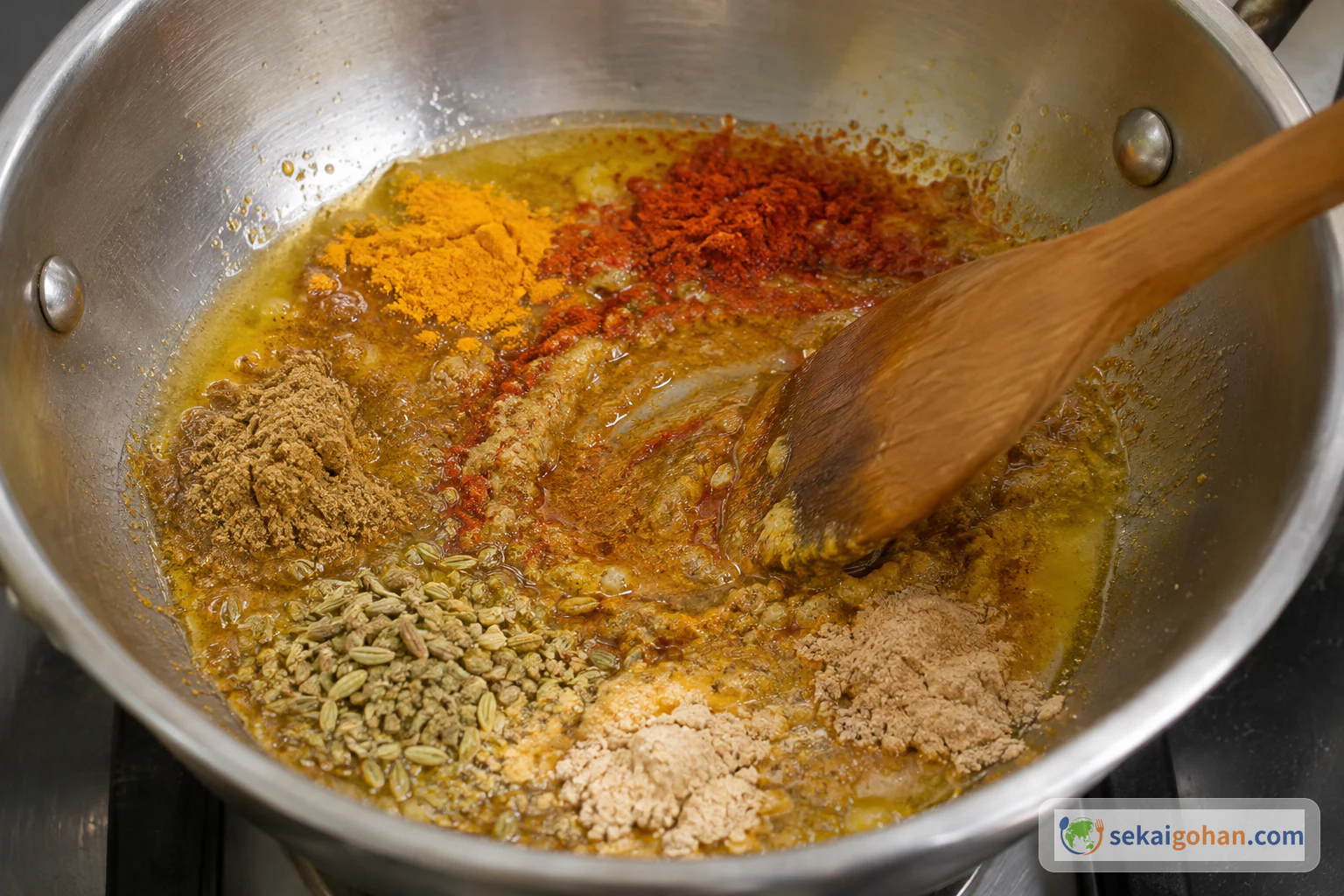
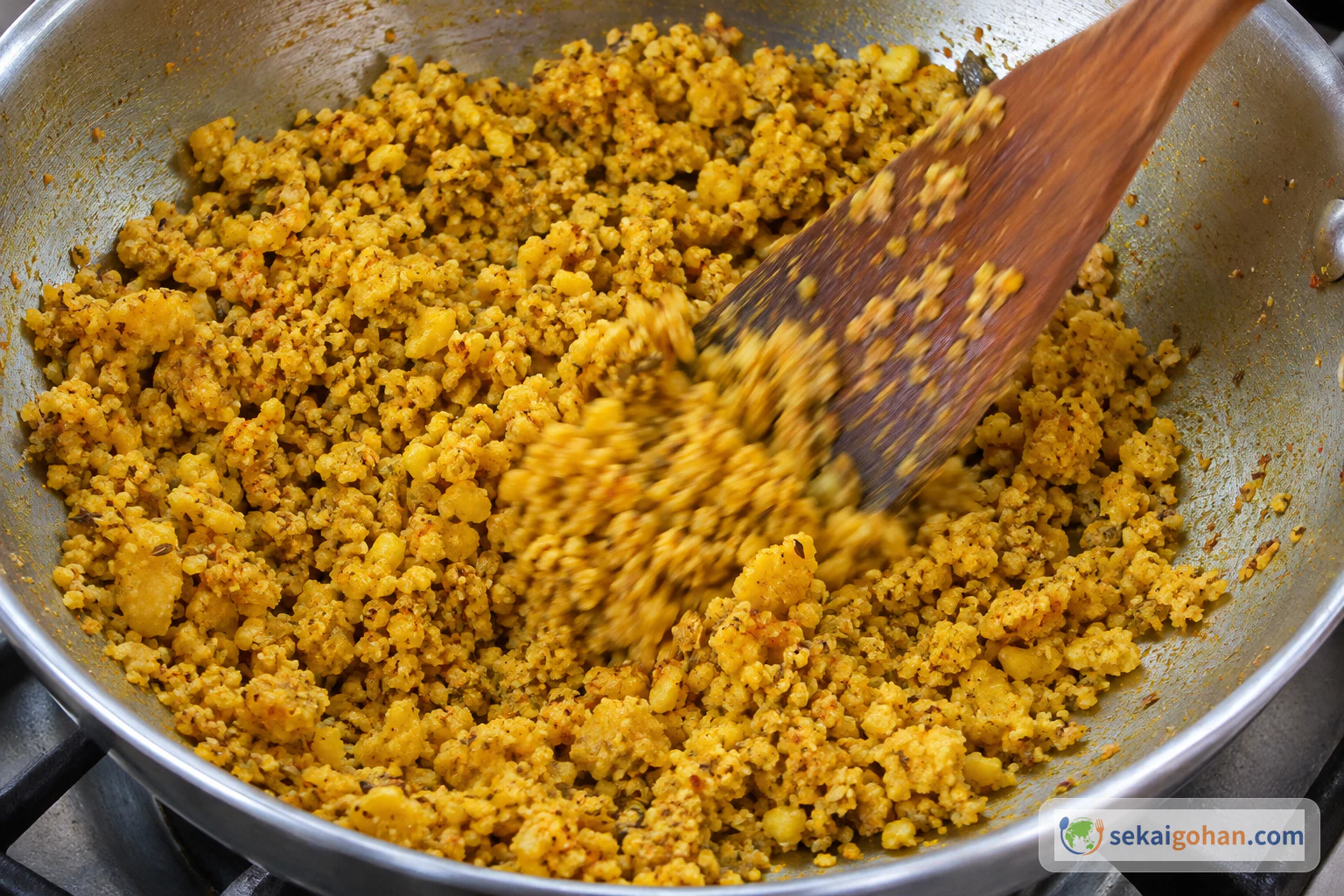
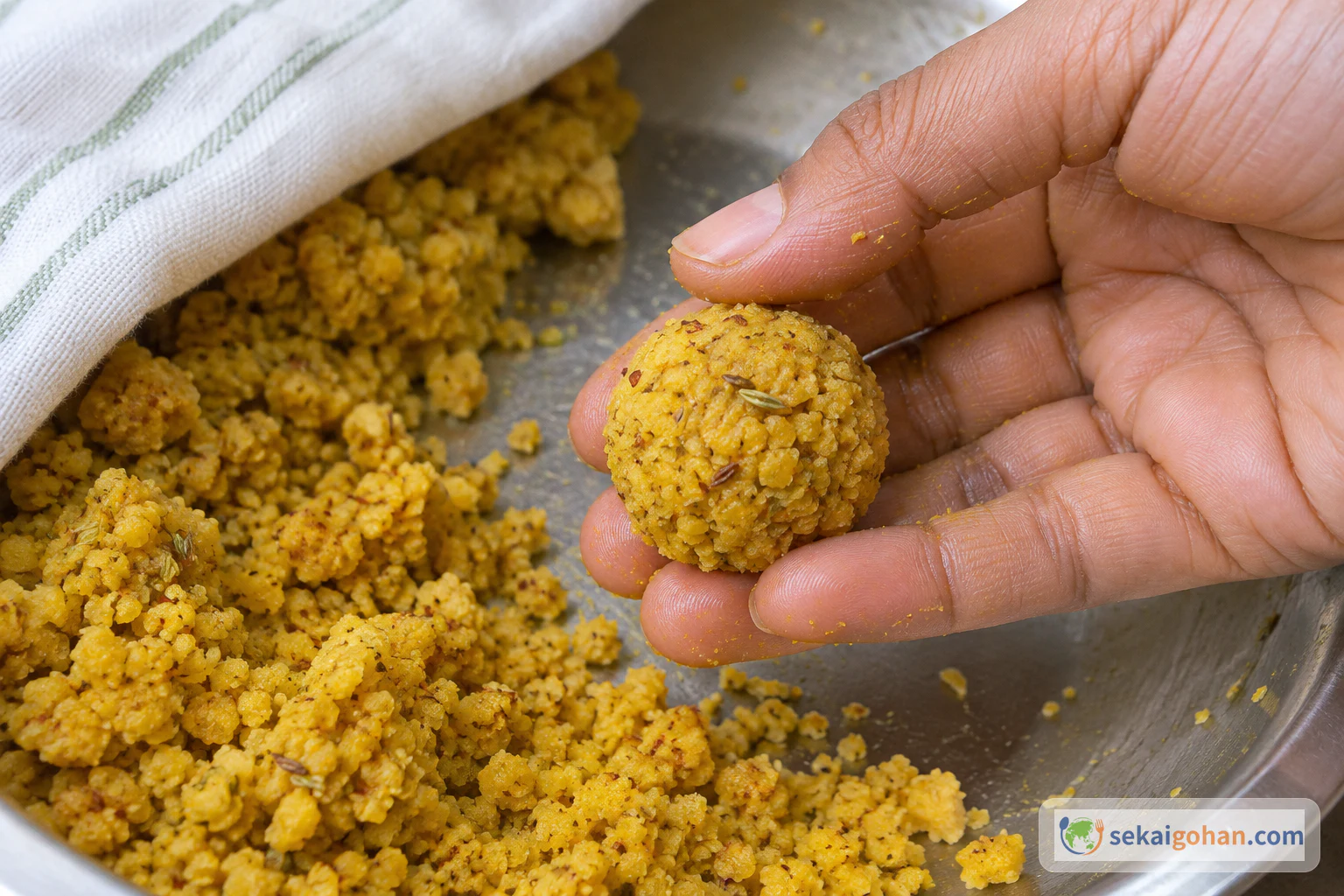
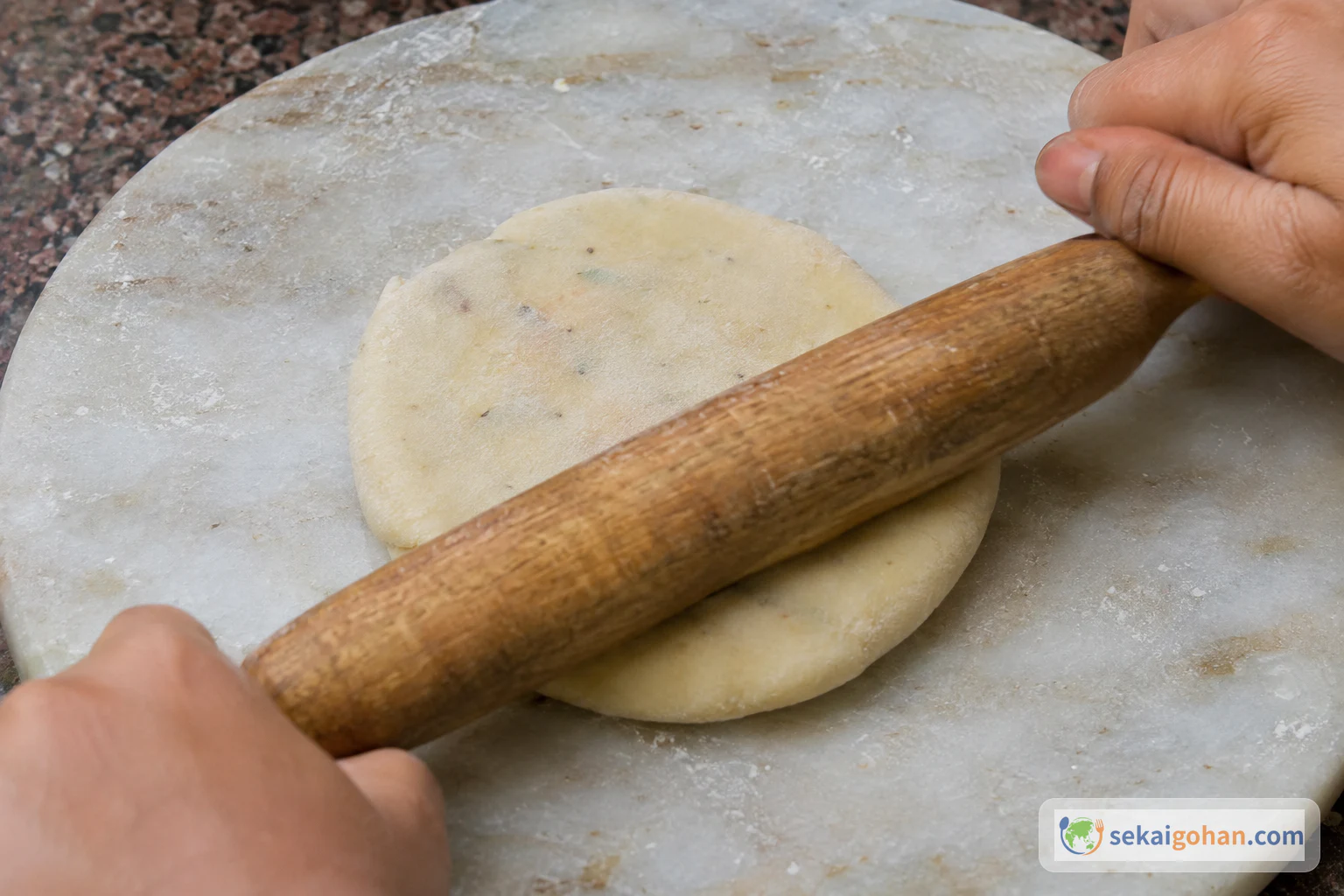
For the filling, hulled, split yellow moong dal is soaked and drained well, then pulsed coarse without any water so it never turns to paste. It is warmed in ghee with ground spices added one at a time. Small balls of this filling are sealed inside the dough and flattened into medium-thick discs. They fry slowly, so the shell crisps through instead of browning fast on the outside.
Next door in Rajasthan, moong dal kachori take a different route. That version uses 9 oz (250 g) maida with 7 oz (200 g) moong dal and 1.75 oz (50 g) ghee, plus ginger-garlic paste and a different set of spices. The dal is dry-roasted, cooled and coarsely ground, then brought together with water.
Plan for the dough to rest for 30 minutes and the dal to soak for 2 hours.
Ingredients
Choosing the Dal, Ghee and Spices
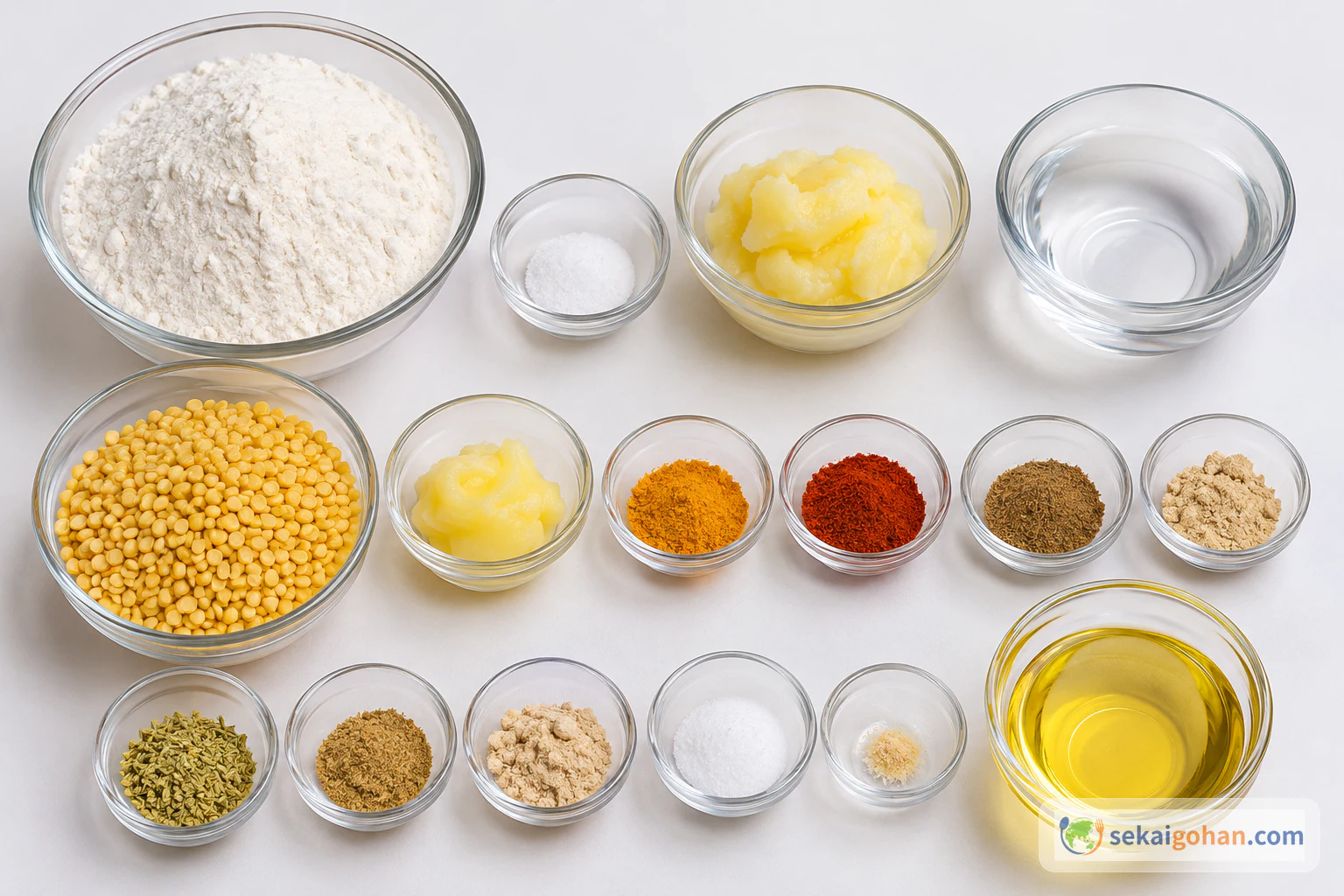
- Yellow split moong, not whole green moong. Hulled, split yellow dal grinds into the coarse, uneven crumbs this filling depends on. Whole green mung beans are a different ingredient.
- Ghee throughout. Ghee goes into both the dough and the filling.
- Crushed fennel seeds rather than fennel powder.
- Dry ginger powder (saunth) rather than fresh ginger.
- Dry mango powder (amchur) rather than lemon juice.
- Asafoetida (hing). A pinch goes into the filling.
The ground spices go into the warm ghee one at a time. It helps to measure each into its own small bowl before you start.
Equipment
- Large mixing bowl
- Clean cloth, dampened
- Bowl for soaking and a fine sieve for draining
- Small grinder or blender that can pulse
- Small pan and a spatula for the filling
- Plate for cooling the filling
- Clean board and a knife or bench scraper
- Rolling pin
- Tray for the shaped kachori
- Kadai or deep, heavy pan for frying
- Slotted spoon
- Paper towels
Method
Stay by the pan the whole time the oil is on the heat. If you have to step away, turn off the heat first. If your stove has an oil-overheating safety feature, use it. If oil ever catches fire, never pour water on it: the water turns to steam instantly and throws burning oil out of the pan. Don't throw mayonnaise on it either.
The method runs in four parts: the dough, the filling, shaping, and frying.
Kachori Problems and Fixes
| What you notice | What to check | What to do |
|---|---|---|
| The dough feels dry | The dough needs more water | Add a little water and knead again |
| The dough feels sticky | The dough is too wet | Knead in a little flour |
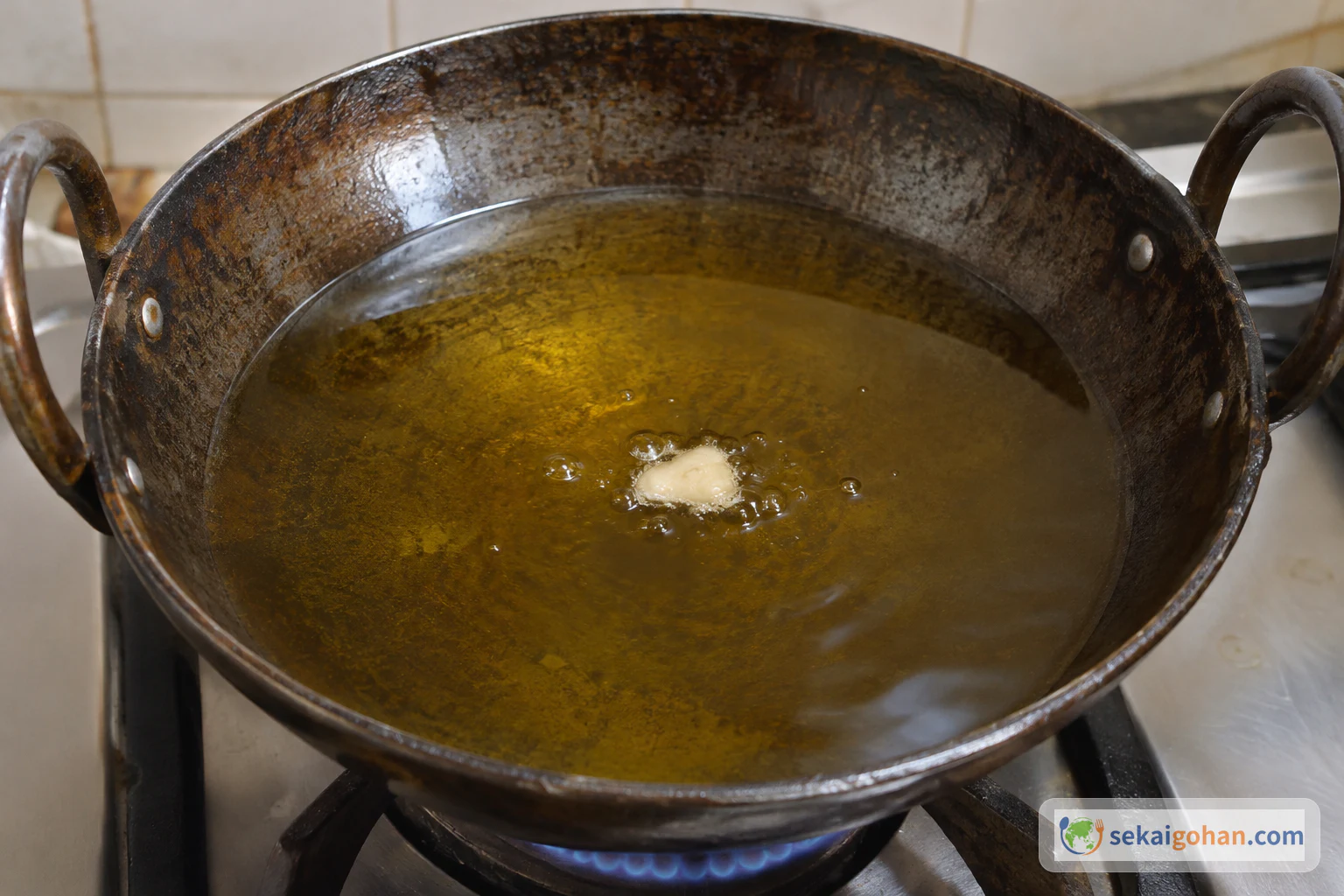
| The test piece of dough does not rise slowly and steadily | The oil is not at the right point yet | Adjust the heat within low to medium-low and test again before adding kachori |
| Kachori bump into each other in the pan | Too many at once | Fry a smaller batch suited to your pan |
Serving and Freshness
Serve kachori plain and warm, straight from the pan. They are complete on their own, though chutney, fried chillies or yogurt on the side never hurt. Kachori are best made and eaten fresh.
Wash your hands and keep your tools clean while you work. If you have to stop partway through cooking, refrigerate the food. Don't leave it out at room temperature for long.
Frequently Asked Questions
How many kachori does this recipe make?
Expect 12, or about 9 to 10. Divide the dough to match the number of filling balls you actually shape.
Is 1/2 cup of water the maximum?
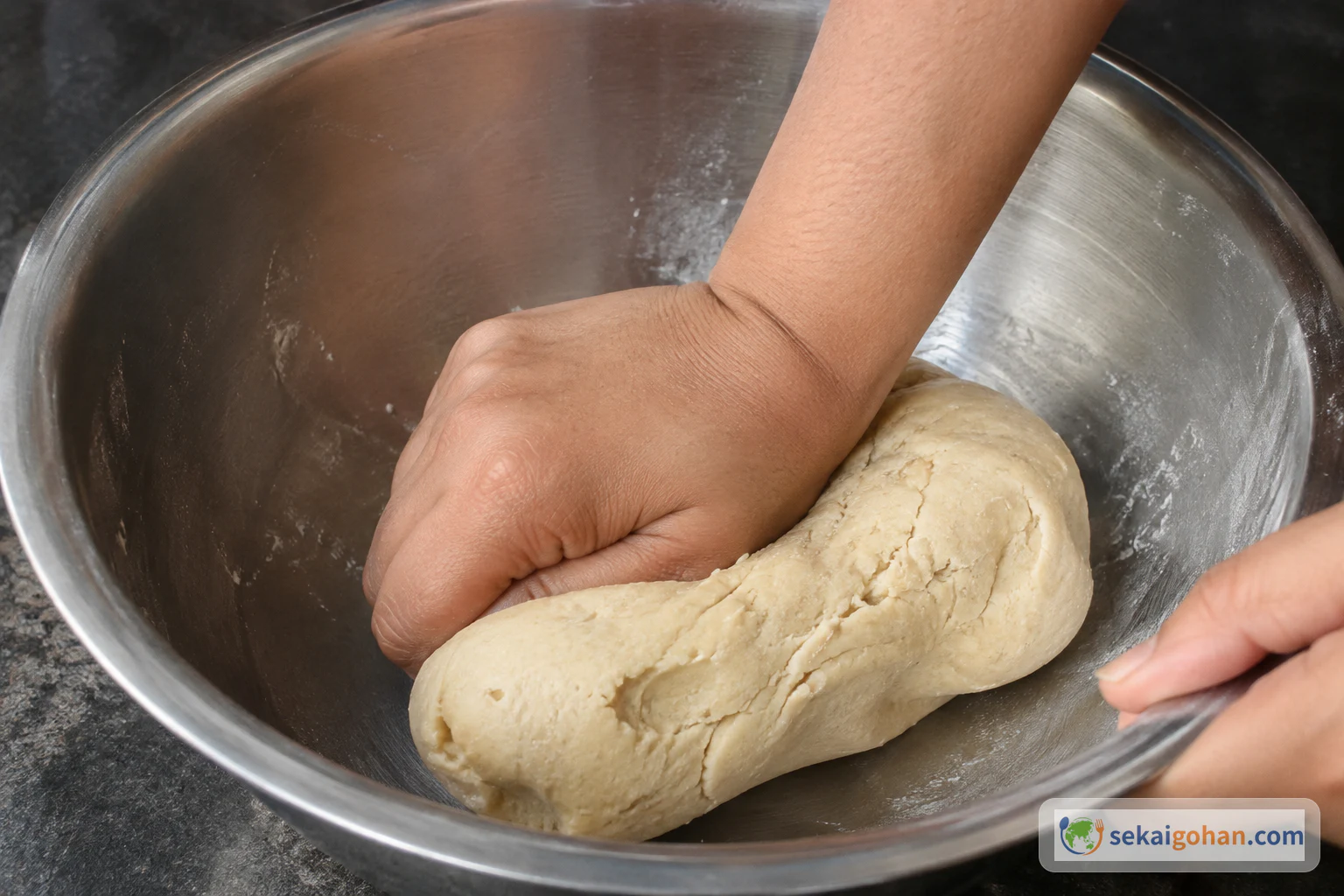
No. Start with 1/2 cup and add more in portions until the dough is smooth and semi-soft to soft. You may end up needing more or less; adjust by feel.
What oil temperature should I use?
There is no set temperature. Heat the oil over low to medium-low heat and drop in a tiny piece of dough. When it rises slowly and steadily, the oil is ready. Frying takes about 7–9 minutes, but judge by a golden, crisp surface. Stay by the pan while the oil is hot.