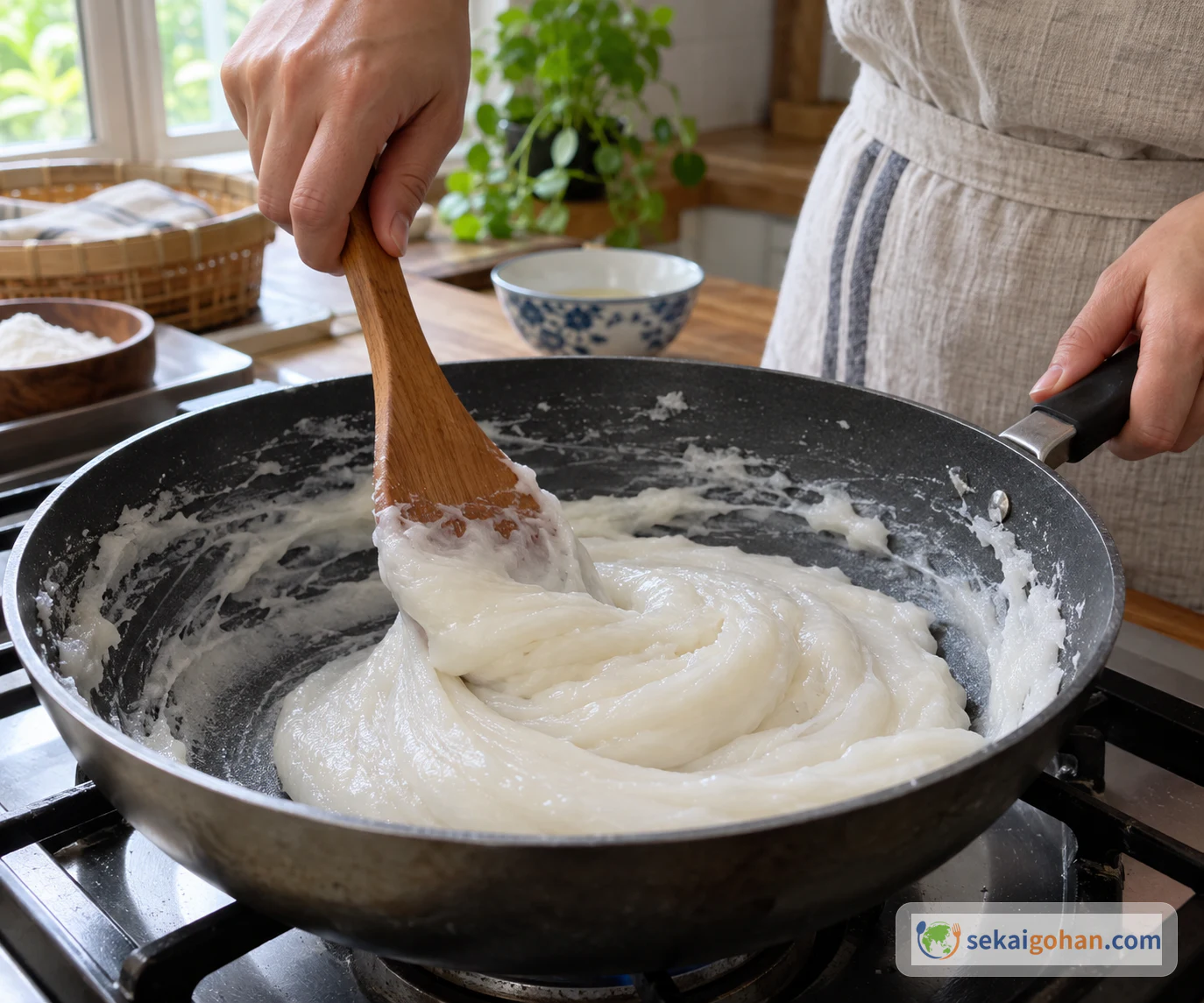
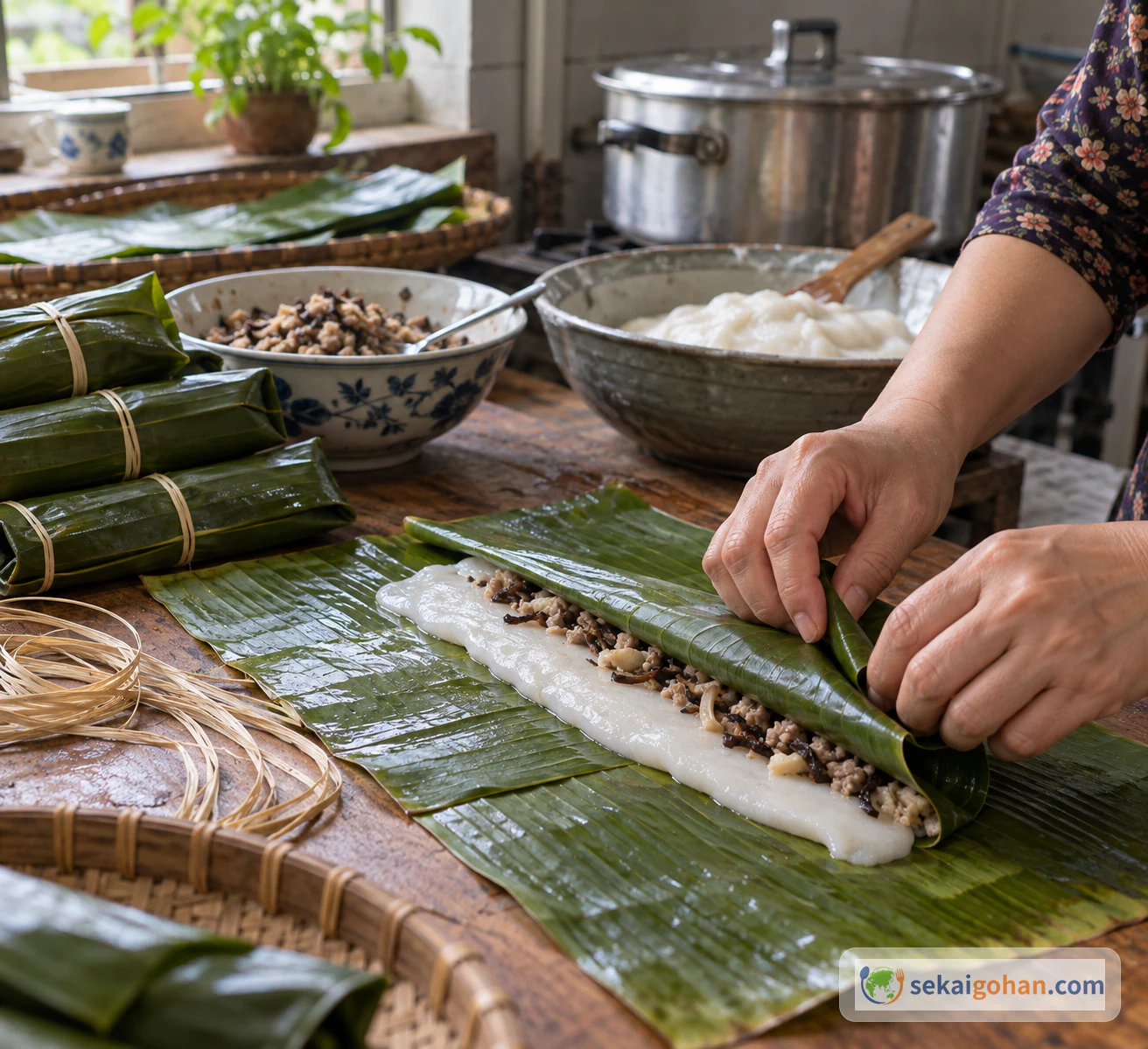
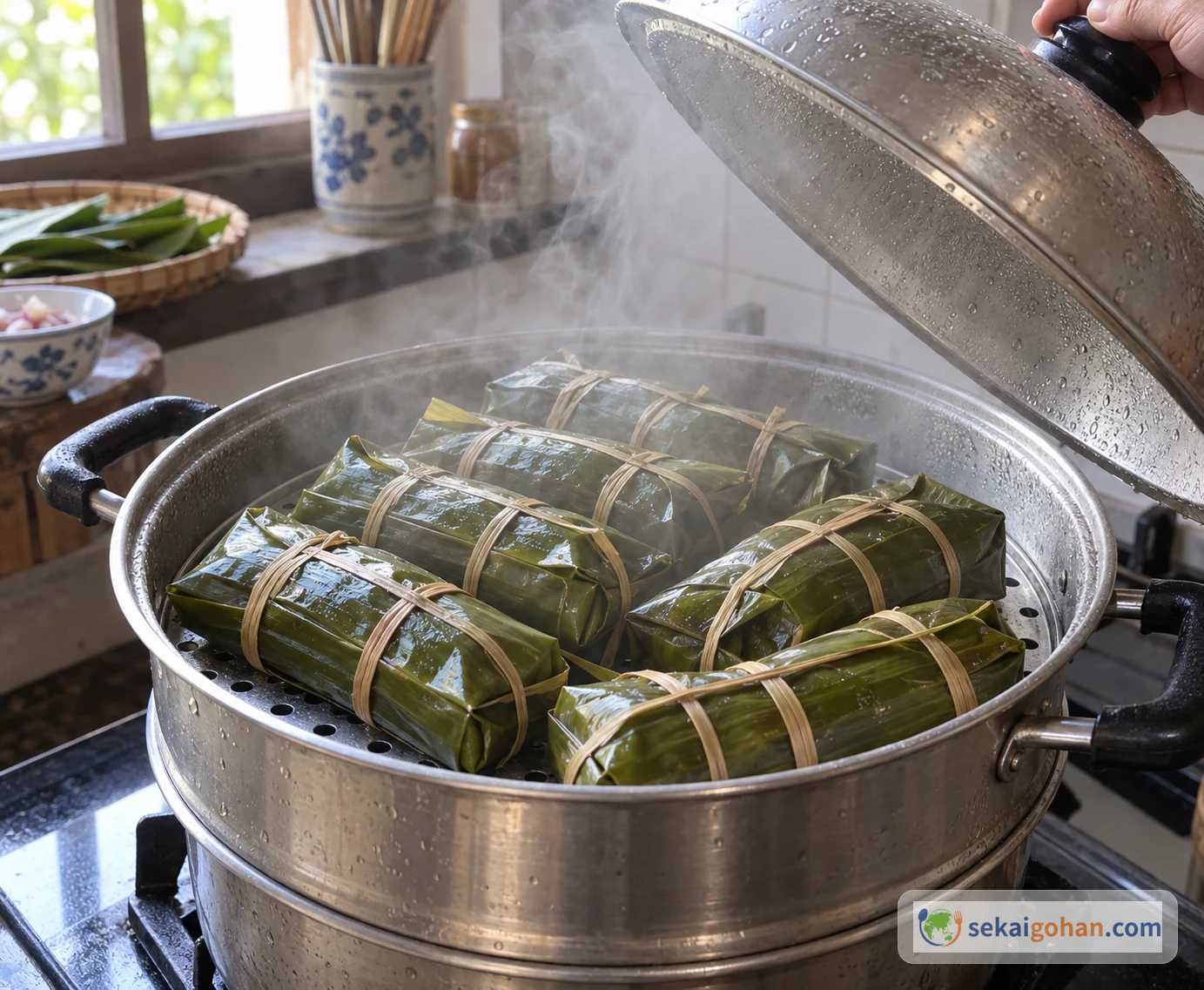
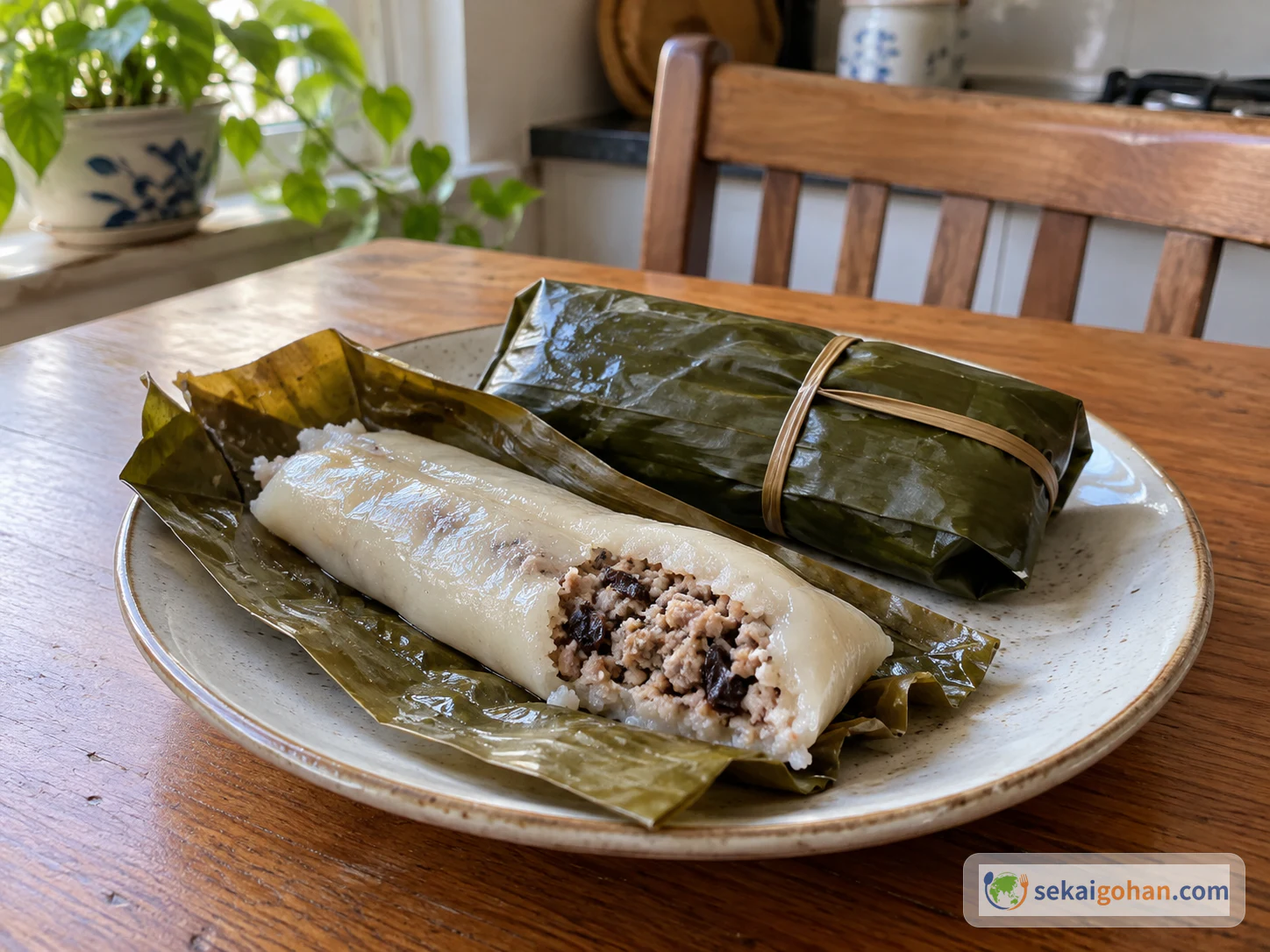
A pot of thin white liquid sits over very low heat, and a spatula keeps moving across the bottom. Slowly the rice-flour batter thickens until it drags heavily on the spatula, smooth and dense. That moment, when liquid turns into paste, is the heart of bánh tẻ. In this northern Vietnamese dish, the cooked paste is wrapped around a savory filling of pork, wood ear and shiitake, folded into leaves and cooked again, so each parcel carries the scent of the leaf it steams in.
About Bánh Tẻ
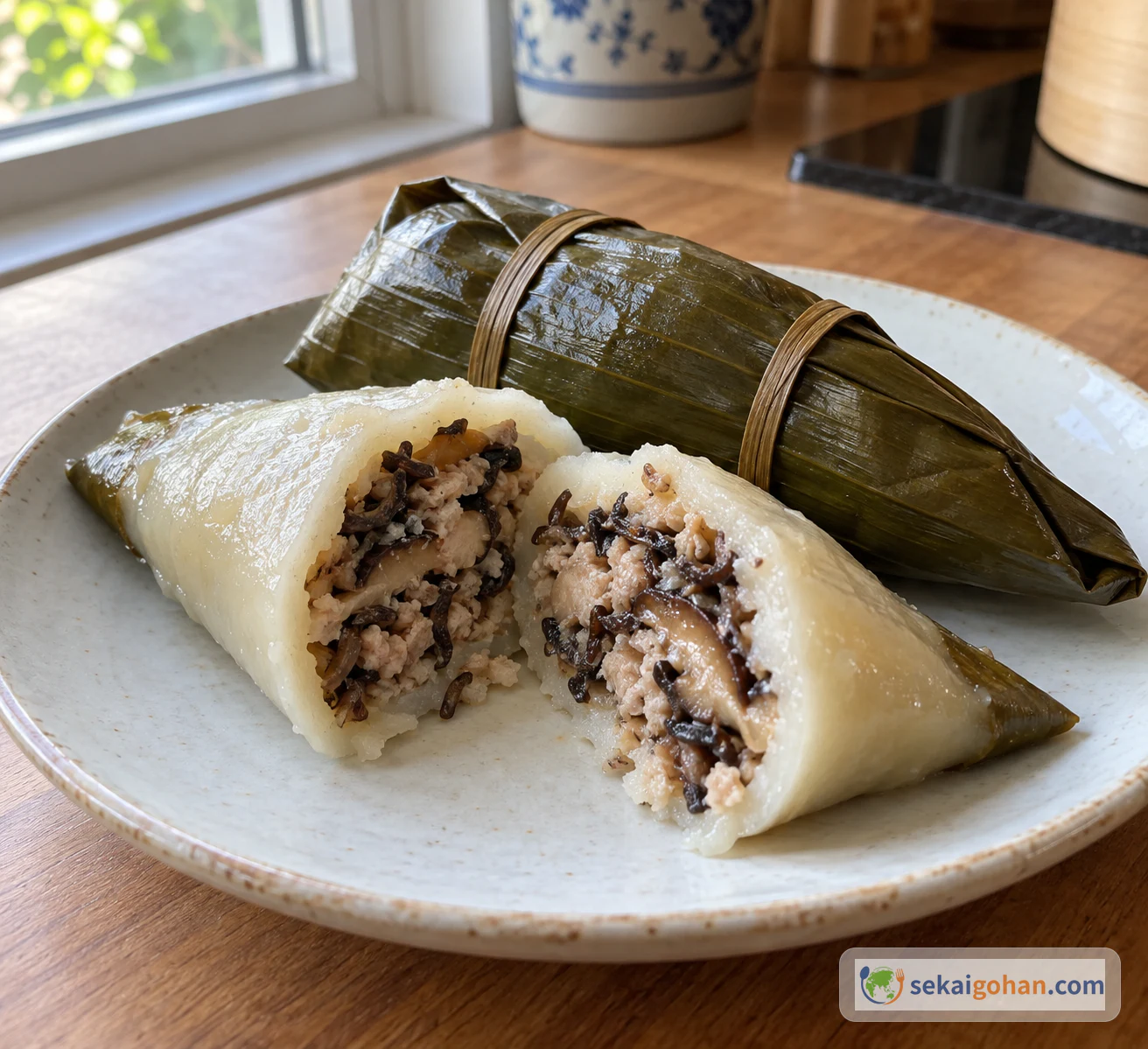
Bánh tẻ comes from northern Vietnam and is also known as bánh răng bừa. A rice-flour dough goes around a filling of mushrooms and ground pork, then the parcel is wrapped in leaves and steamed. For more dishes from the same country, see Vietnam.
Bánh Tẻ in Làng Chờ
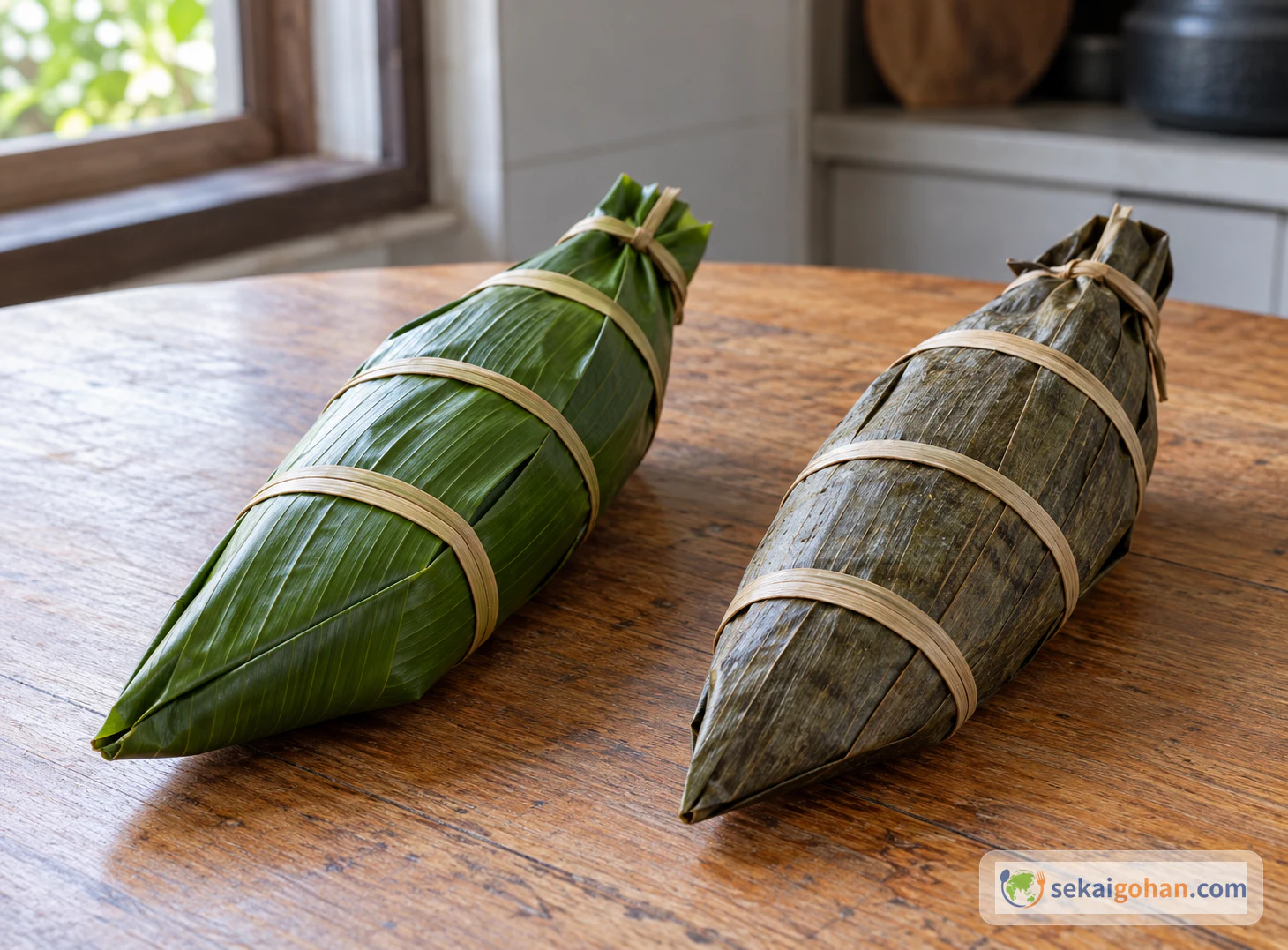
In Làng Chờ, in Bắc Ninh province, the name bánh răng bừa comes from the parcel's shape. It is thick in the middle and tapers at both ends, like the teeth of a harrow, a farming tool. People there eat it at festivals, at Tết (the lunar new year), and at weddings and funerals, and it is also sold in shops. Even local makers don't know exactly when the dish began.
The village method starts from raw rice soaked for about 5 hours and ground, sometimes with lime water. The water in the ground dough is changed over 1–3 days, depending on the weather. The pork includes some fat and is wrapped with wood ear and onion, and the parcels are steamed or boiled for 25–30 minutes.
Bánh Tẻ in Phụng Công
In Phụng Công, in Hưng Yên province, bánh tẻ is made from non-glutinous rice, pork, wood ear and dried shallots, and wrapped in dong leaves. The raw rice is soaked and ground, and the dough is stirred over low heat. The parcels are then shaped like harrow teeth and boiled in boiling water for 15–20 minutes. People eat it at Tết, give it as a gift, serve it at weddings and gatherings, and eat it as everyday food.
The recipe here takes a simpler route than either village: dry rice flour, rested and then stirred into a paste over very low heat, wrapped in banana leaves and steamed. A Hanoi chef also makes a modern version with pork broth, scallops, pickled radish and herbs.
Bánh Tẻ and Similar Dishes
Bánh tẻ is easy to confuse with other Vietnamese rice dishes, especially the leaf-wrapped ones. Bánh chưng and bánh tét are built on glutinous rice. Bánh bèo is a steamed rice-flour dish with a very different shape, and bánh cuốn pairs rice flour with a pork filling in another form entirely.
This recipe has not been kitchen-tested. It follows the amounts and method of its source recipe without scaling or adjusting them. The source does not state a yield, so no number of parcels or servings is given here.
Ingredients: Seasonings Split Between Filling and Dough
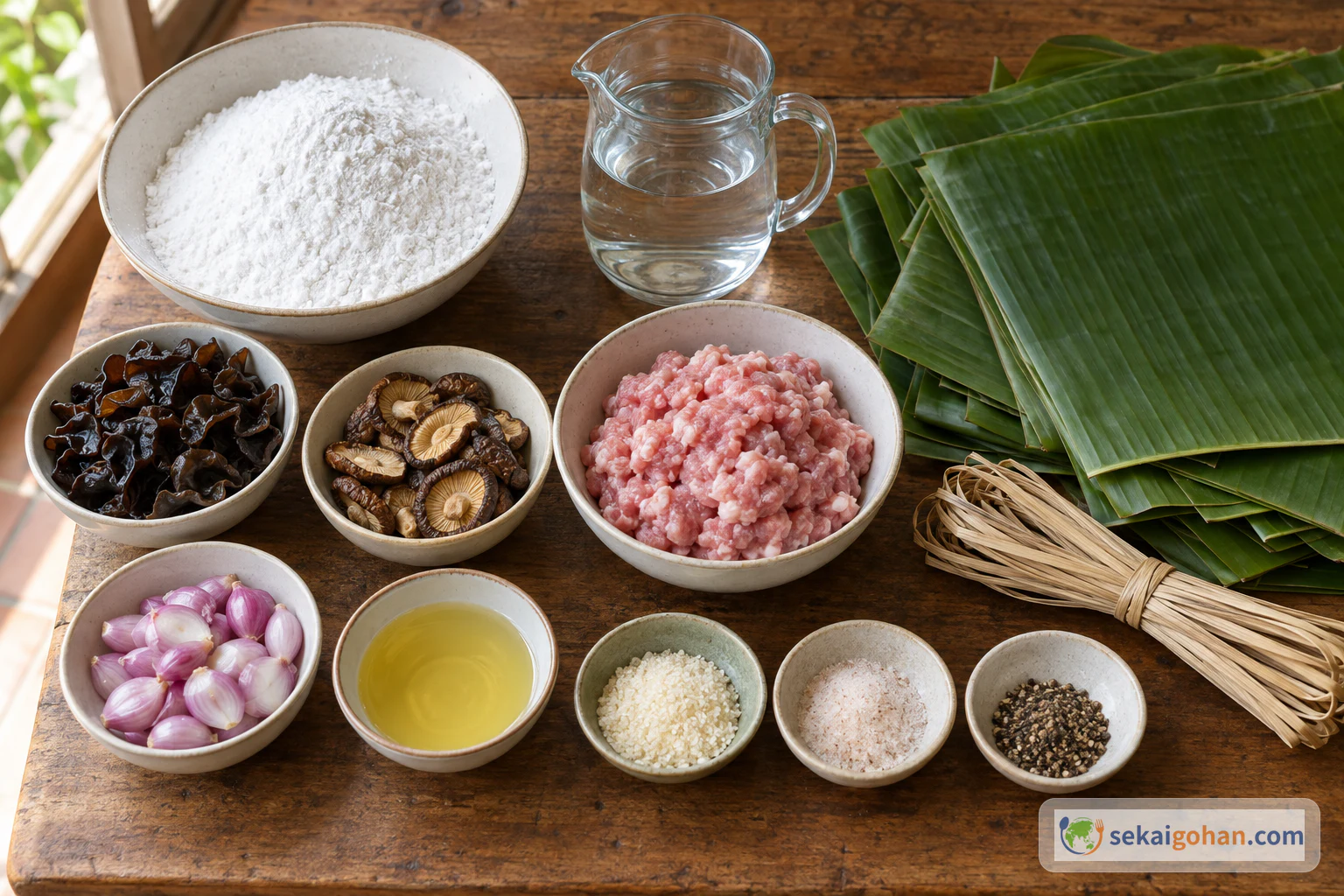
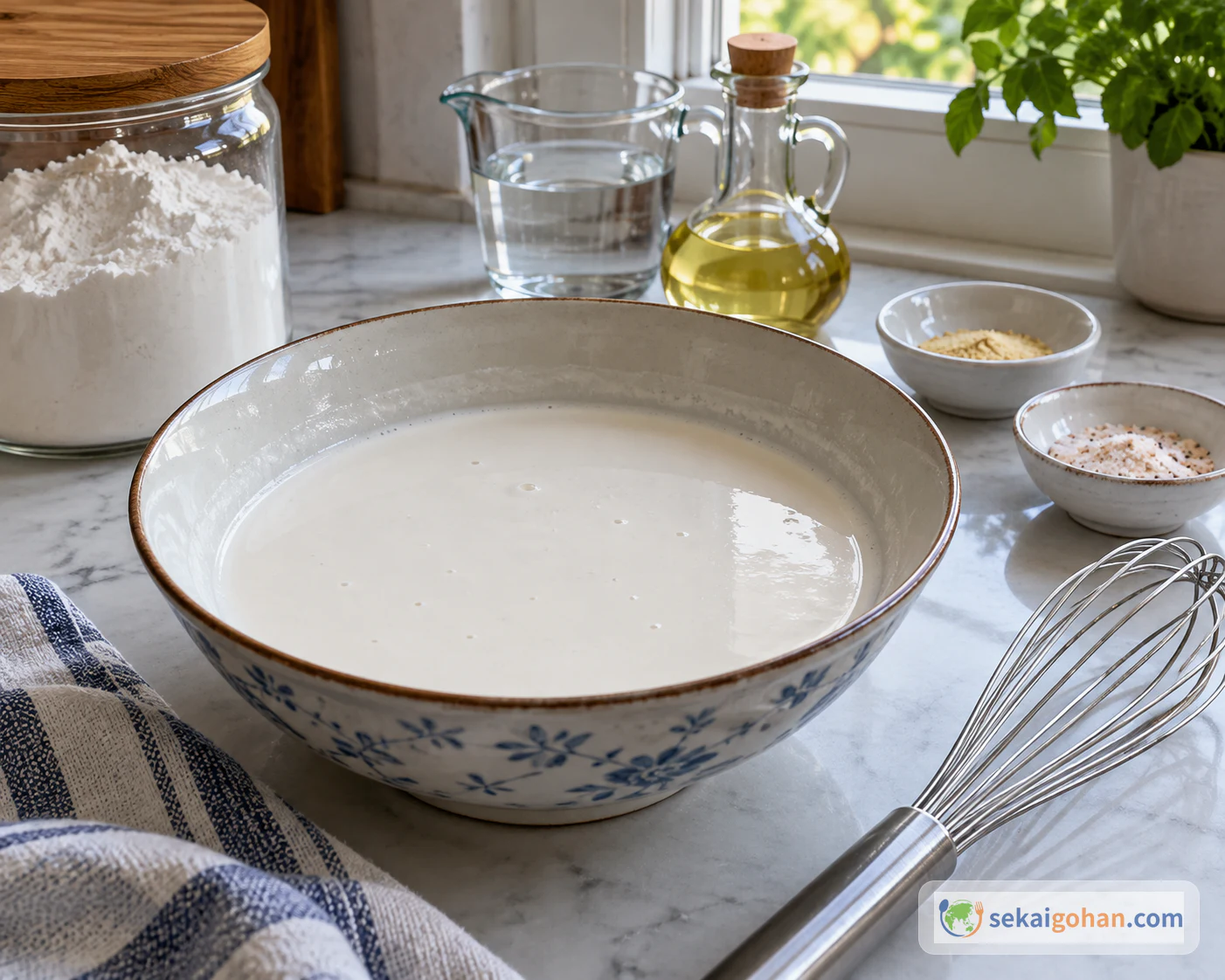
The oil and the two seasonings are split between the filling and the dough. The table shows how much goes where, so you can portion them before cooking.
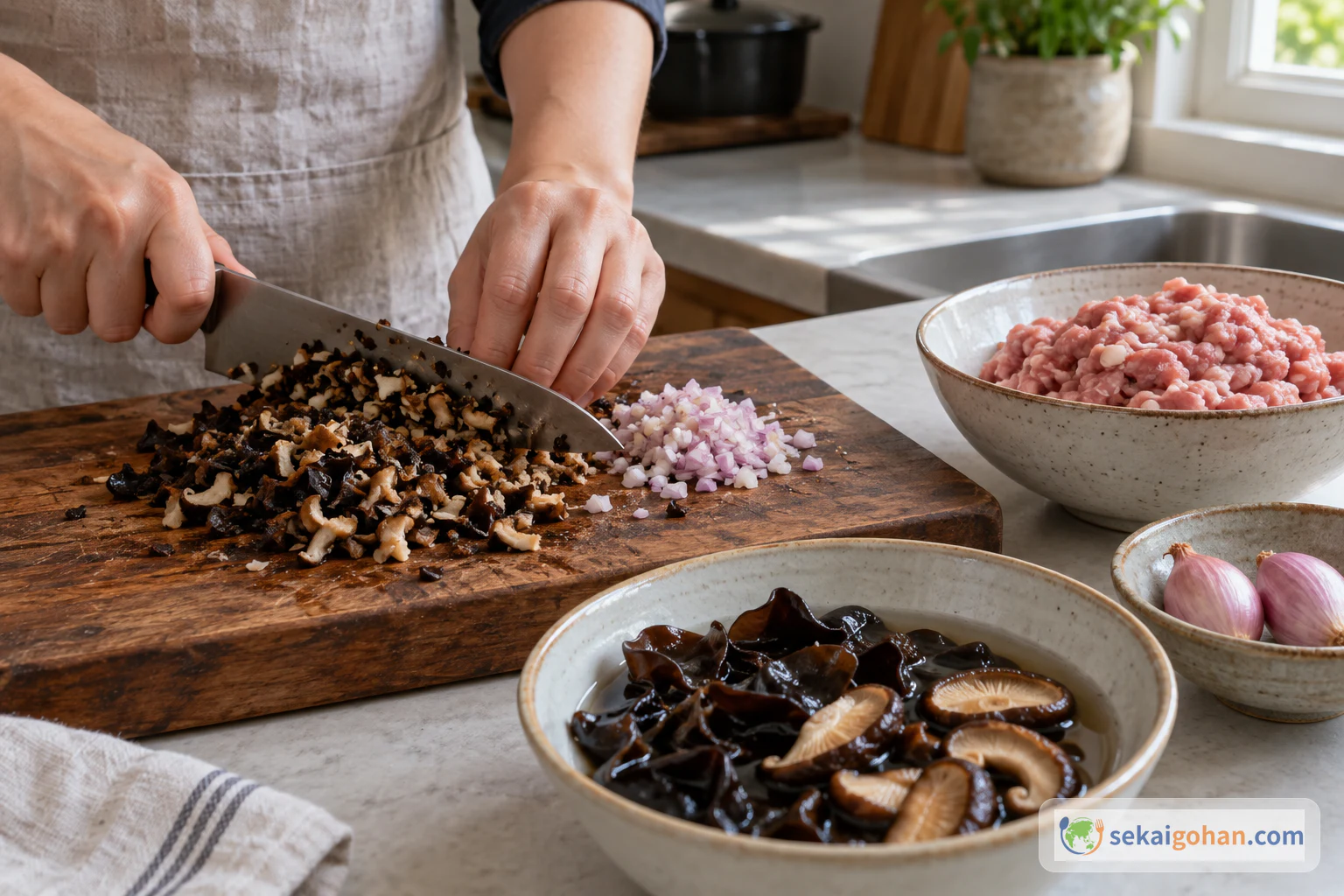
The mushrooms are given as counts and are soaked in warm water, so use dried mushrooms.
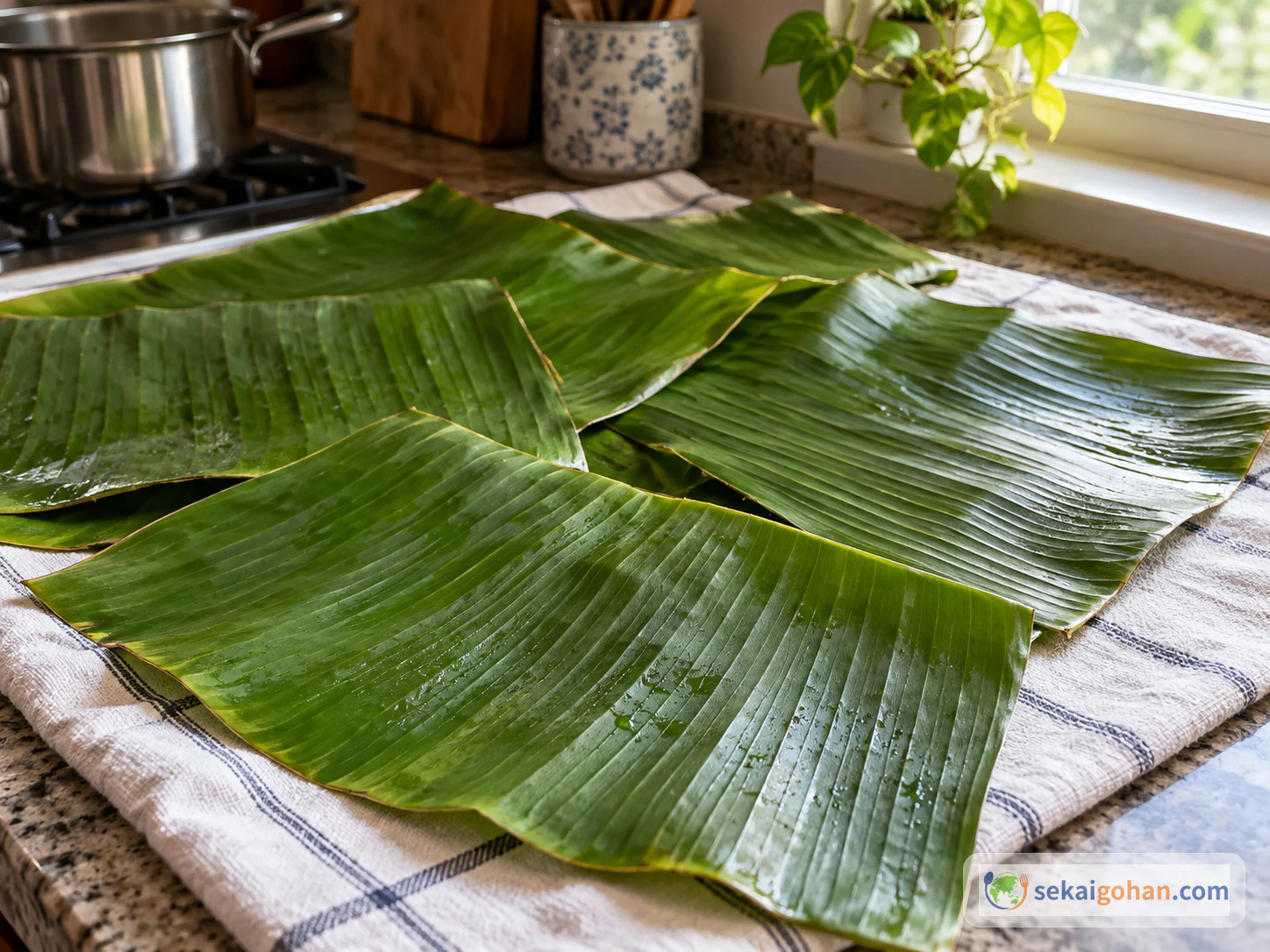
Use 2 leaves; each parcel overlaps two roughly A5-paper-size pieces. Buy more leaf than you think you need. Use 10 strings (10gr).
This dish contains raw pork. Keep raw meat, its cutting board and utensils separate from foods that won't be cooked, to avoid cross-contamination. Seasoning granules, seasoned salt and any fish sauce you serve with it differ by product: check each label for ingredients and allergens.
Equipment
- Bowls for soaking the mushrooms and resting the batter
- A whisk for mixing the batter
- A cutting board and knife, plus separate ones (or thorough washing) for raw pork
- A skillet for the filling
- A pot for cooking the batter
- A heatproof spatula, such as a wooden one, that can scrape the bottom of the pot
- A steamer or steaming rack that holds the parcels above the water
- Food-safe tying string (dây buộc): 10 strings
- A kitchen thermometer, for checking that the center meets the stated temperature for the full stated time
Choosing Flour, Mushrooms and Leaves for Bánh Tẻ
Rice flour: Use flour made from ordinary non-glutinous rice. Glutinous (sweet) rice flour gives a different texture and a different dish. If you try another brand, change only one thing at a time and take notes.
Shallots: Onion can stand in for shallots, but the aroma will change.
Seasonings: A different brand of seasoning granules or seasoned salt will change the flavor, so check the label.
Leaves: You can find banana leaves at Asian grocers or online. Going without leaves, or using a different wrapper, changes both the aroma and the shape of the parcel. Some regional versions use dong leaves, but they belong to a different method, so they aren't a straight swap for banana leaves.
Method: Filling, Rested Batter, Wrapping and Steaming
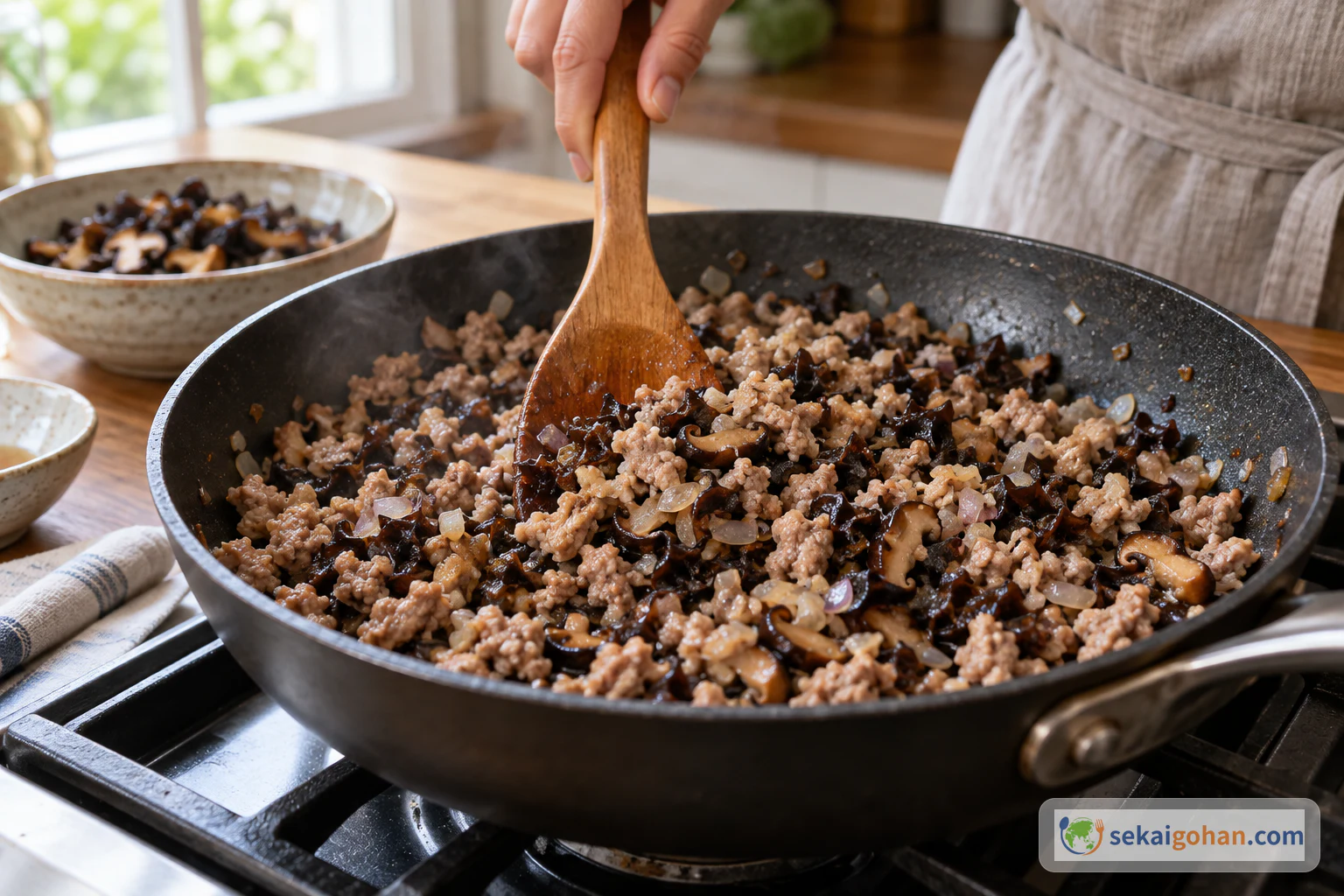
Soak the mushrooms for about 15 minutes, stir-fry for 5–7 minutes after adding them, rest the batter for 1–2 hours and steam for 15–20 minutes. Cooking the paste and wrapping are judged by how they look and feel, not the clock.
Fixing Common Bánh Tẻ Problems
| Problem | Likely cause | What to do |
|---|---|---|
| Lumps in the paste | Batter not evenly mixed before heating, or stirring paused | Whisk the rested batter again before it goes on the heat, and keep scraping the whole bottom of the pot over very low heat |
| Paste scorches on the bottom | Heat too high, or stirring stopped | Keep the heat very low and stir continuously. Judge doneness by the dense, smooth, heavy texture rather than pushing the heat |
| Filling leaks out | Paste didn't fully cover the filling, or the leaf was too small | Cover the filling completely with paste, overlap two leaf pieces, fold the ends well and tie firmly. Keep extra banana leaves on hand |
| Leaves split when folding | Leaves not softened | Briefly blanch them until pliable, then pat them dry |
Serving and Storing Bánh Tẻ
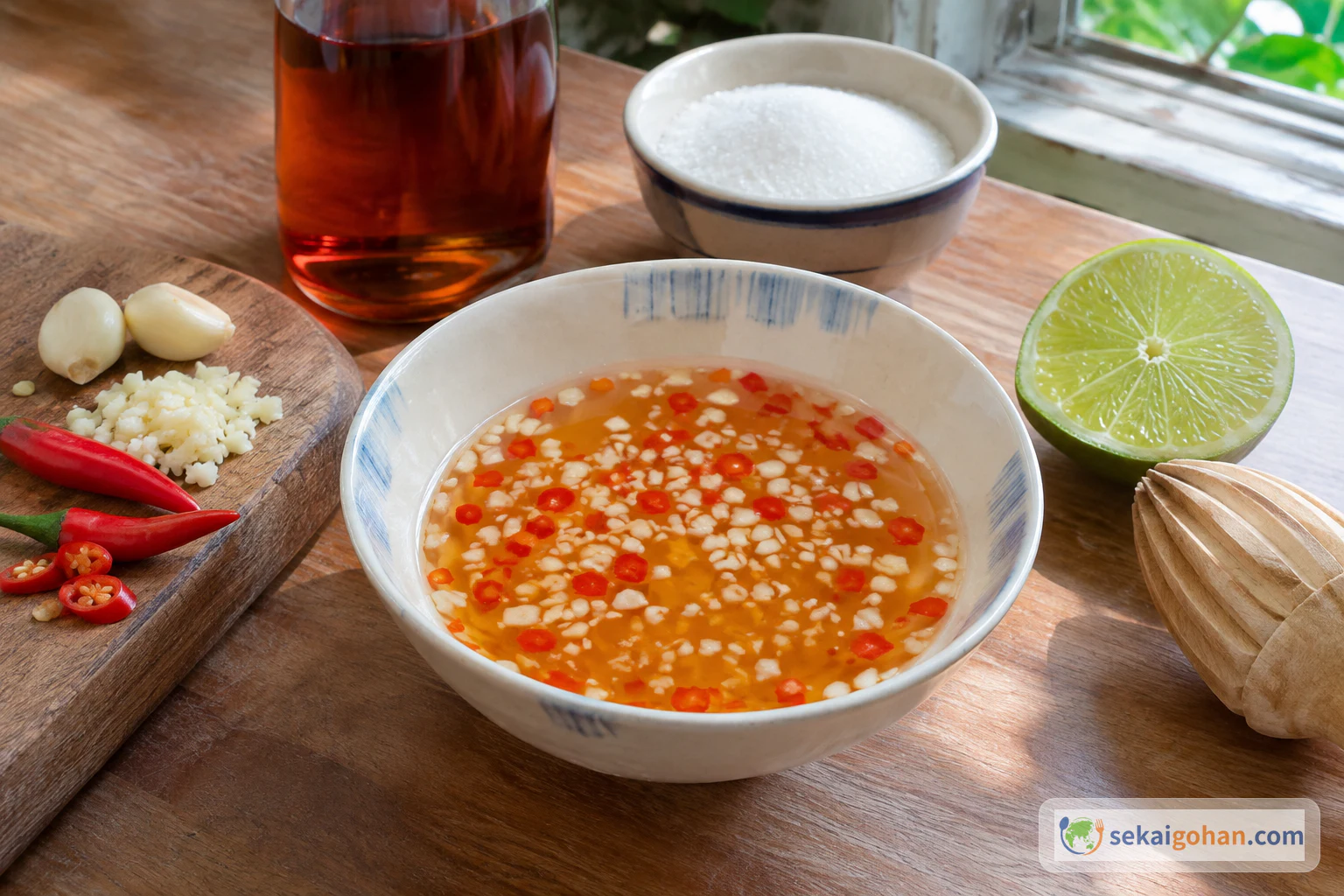
Bánh tẻ is best freshly steamed. Serve it with chili sauce or a sweet-and-sour fish sauce dip if you like; in the north, fish sauce dip is one of the ways people eat it.
Don't leave the steamed parcels at room temperature for long. Cool any leftovers quickly, refrigerate them, and reheat them thoroughly before eating.
Frequently Asked Questions
How is bánh tẻ different from bánh tét or bánh chưng?
Bánh tẻ is made by cooking non-glutinous rice flour into a paste and wrapping it around a pork and mushroom filling. Bánh tét and bánh chưng are centered on glutinous rice, so their ingredients, method and shape are all different.
How long do I steam it?
Steam the parcels for 15–20 minutes above boiling water. Make sure the pork filling is cooked through: the center should reach 167°F (75°C) for at least 1 minute.