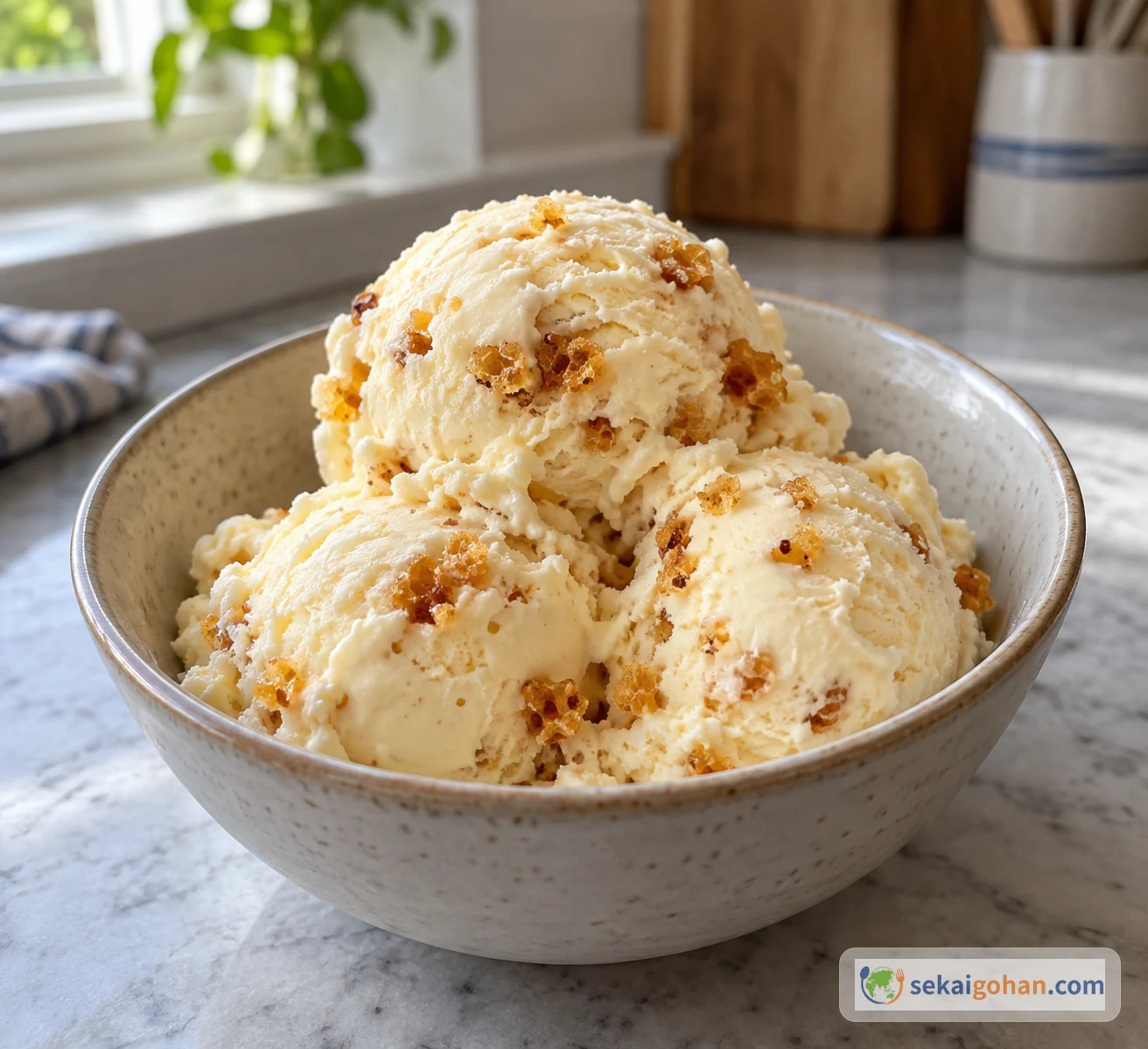
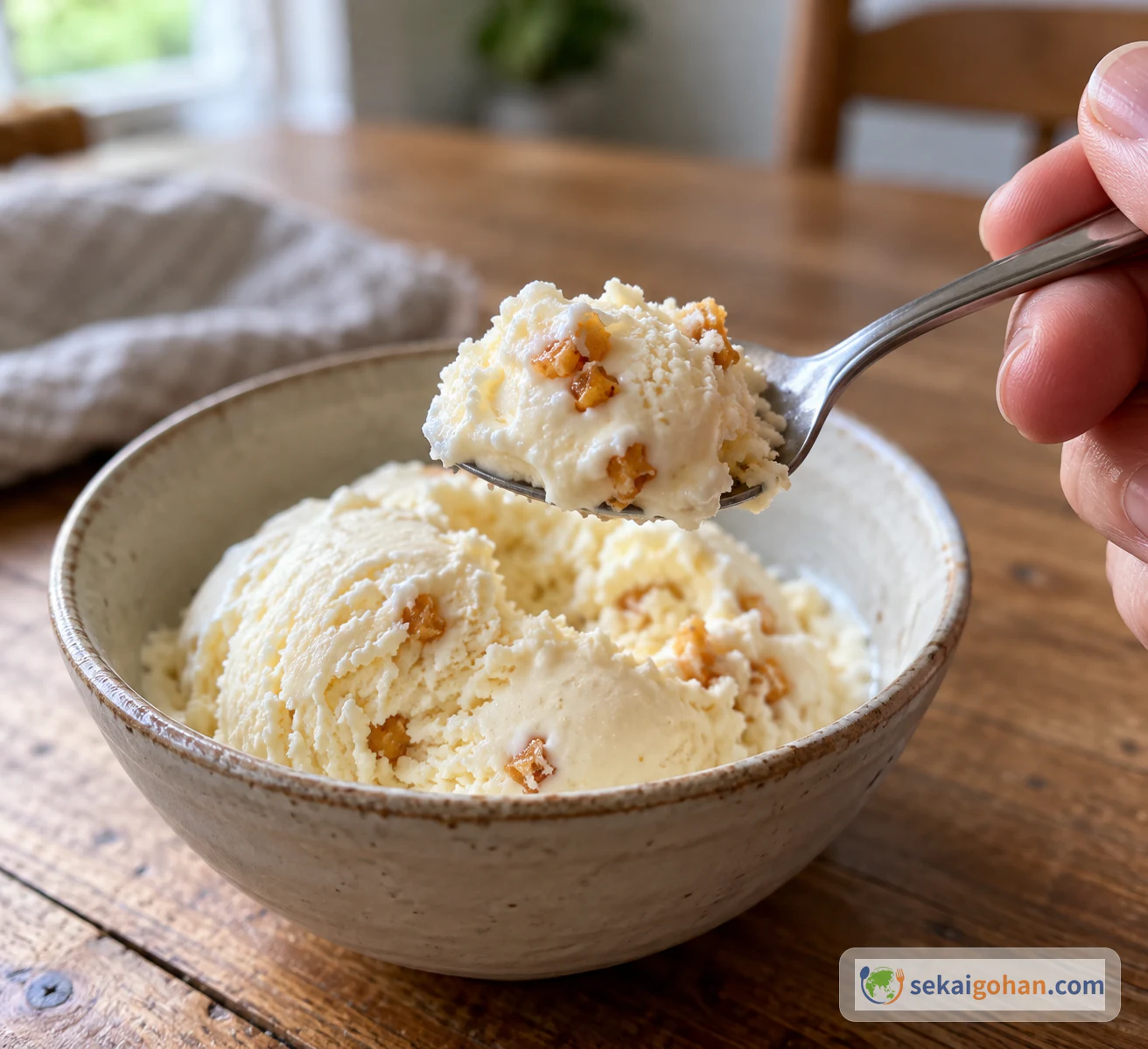
Hokey pokey ice cream is pale and creamy, with small amber fragments of airy toffee scattered all through it. Each spoonful brings smooth, cold ice cream and then a crisp little crunch of honeycomb. The flavor is a New Zealand favorite, and it's simple at heart: vanilla ice cream studded with chunks of sugar-and-golden-syrup toffee.
What Hokey Pokey Ice Cream Is
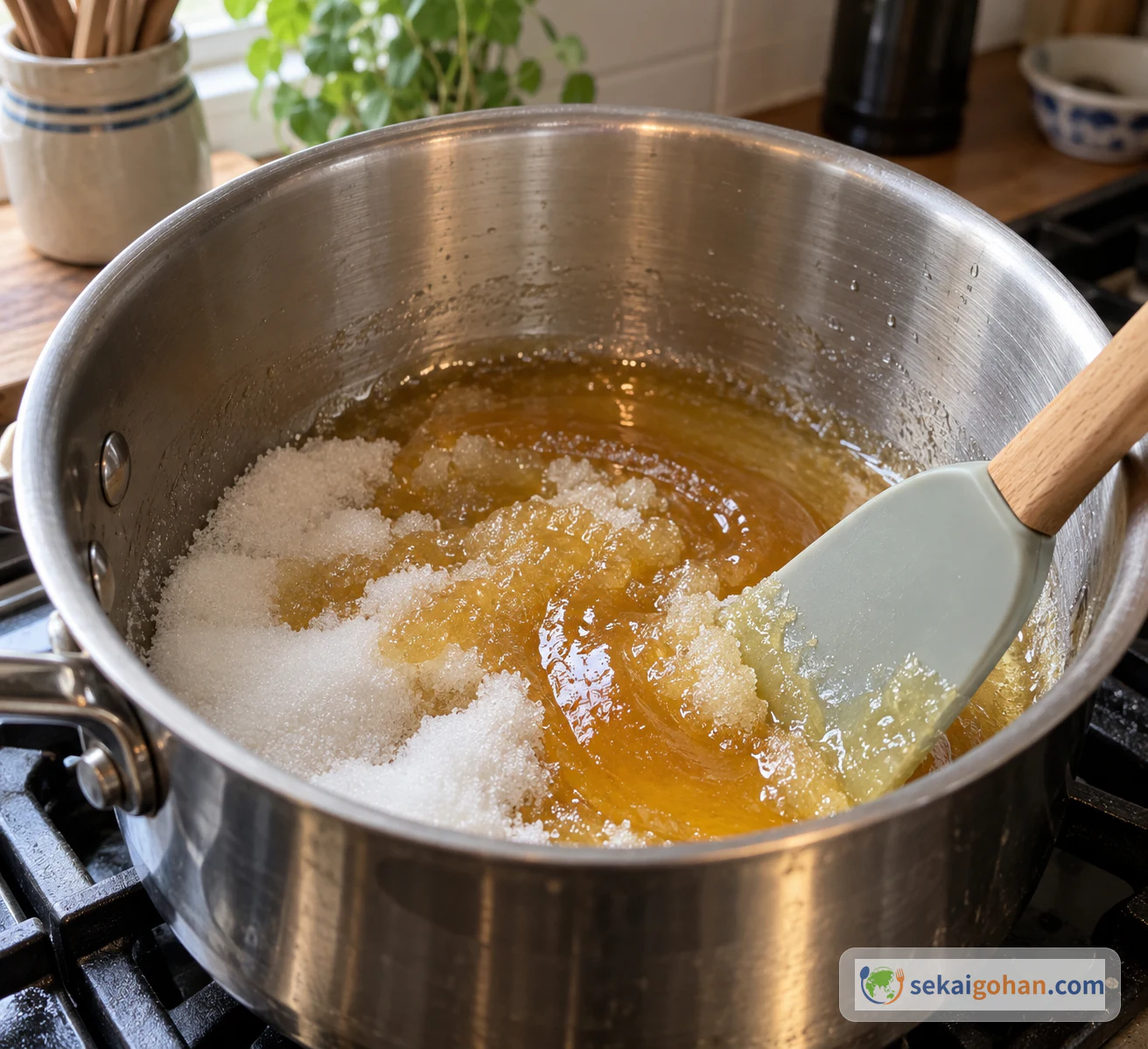
In New Zealand, "hokey pokey" is first the name of the honeycomb candy itself, a slab of sugar and golden syrup puffed up with baking soda. The same name covers the ice cream made by folding broken pieces of that candy into a vanilla base. Similar honeycomb toffee is common in Australia and elsewhere, but only in New Zealand does one word stand for both the candy and the ice cream. Its popularity there is distinctive enough that it shows up among New Zealand's favourite foods.
The history is less settled. A Dunedin confectioner, William Hatton, applied for a patent on hokey pokey confectionery in 1896, and some accounts say Newjoy put broken pieces of hokey pokey into ice cream in 1953. Several competing stories exist about who came up with it. Since the 1896 patent covers the candy rather than the ice cream, neither date is a confirmed birth year for hokey pokey ice cream.
For more dishes from the same country, see the New Zealand page.
The typical hokey pokey flavor is vanilla ice cream with honeycomb toffee. The Cuisinart base here has no vanilla or other flavoring, so this is a milk-based version made for one specific appliance, not a vanilla recipe.
Ingredients: Two Parts, Ice Cream Base and Hokey Pokey
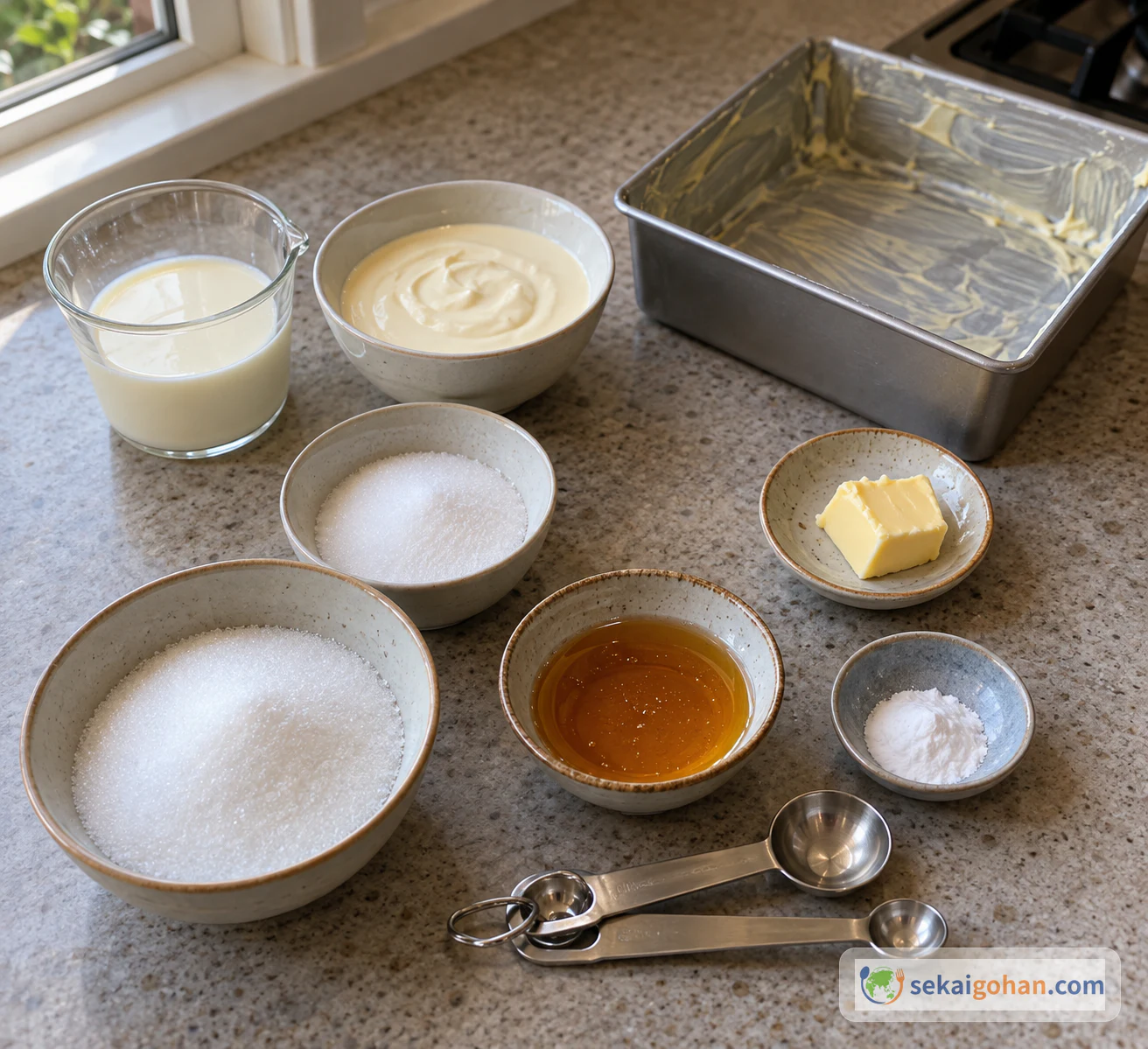
The ice cream amounts are for one Cuisinart ICE-FD10XA dedicated 240 ml cup. 240 ml is the capacity of the cup, not the amount of finished ice cream. The toffee amounts are for the full batch; only 1 Tbsp of crushed toffee goes into the ice cream.
1 Tbsp is 15 ml and 1 tsp is 5 ml. Measure the sugar and golden syrup by spoon rather than converting them to grams.
Equipment
- A 20 × 20 cm shallow tin
- A heavy saucepan deep enough for the toffee to foam up well
- A heatproof spatula or spoon for stirring the syrup and the baking soda
- A heatproof surface or trivet to set the saucepan on off the heat
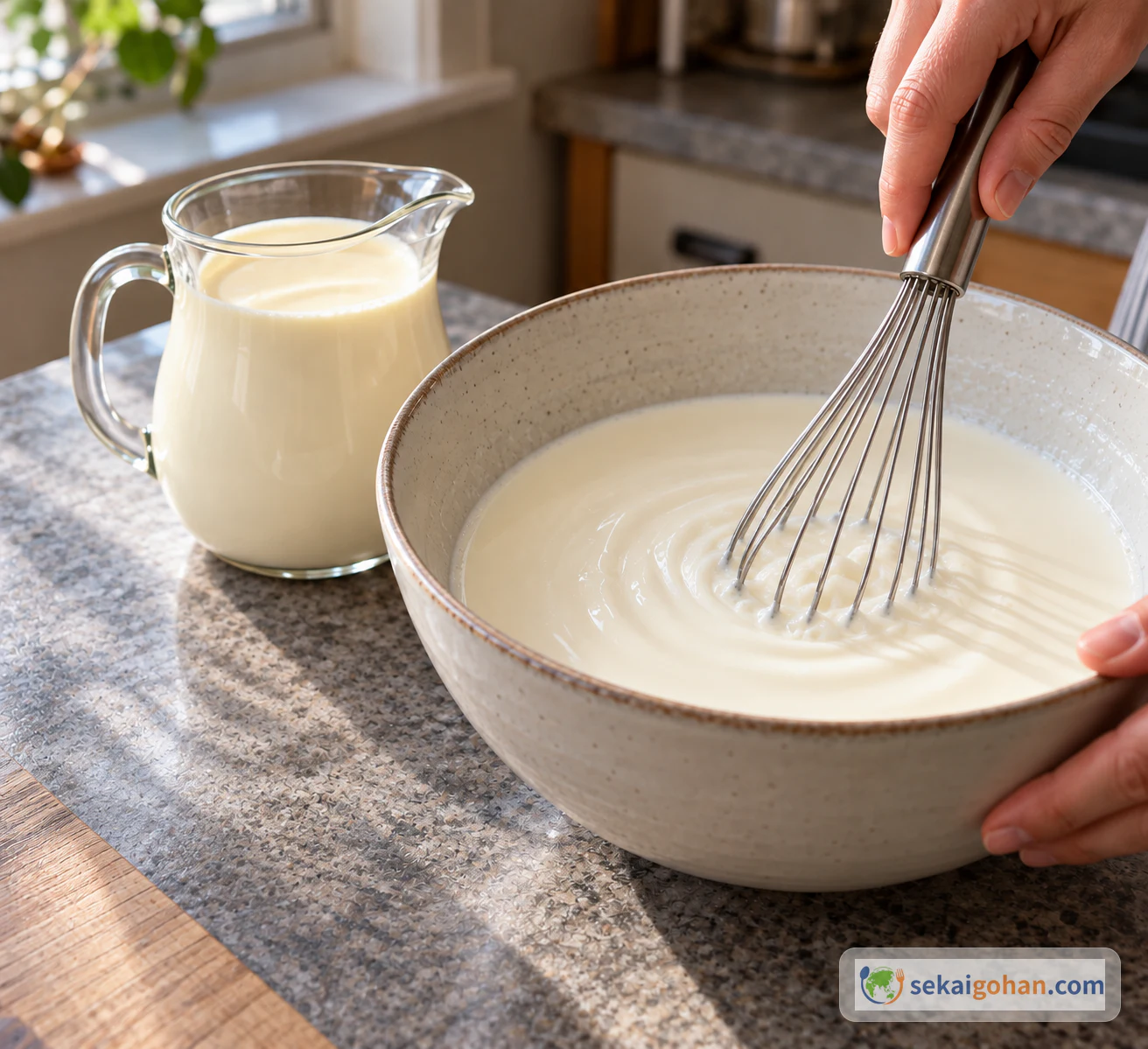
- A bowl and whisk for the ice cream base
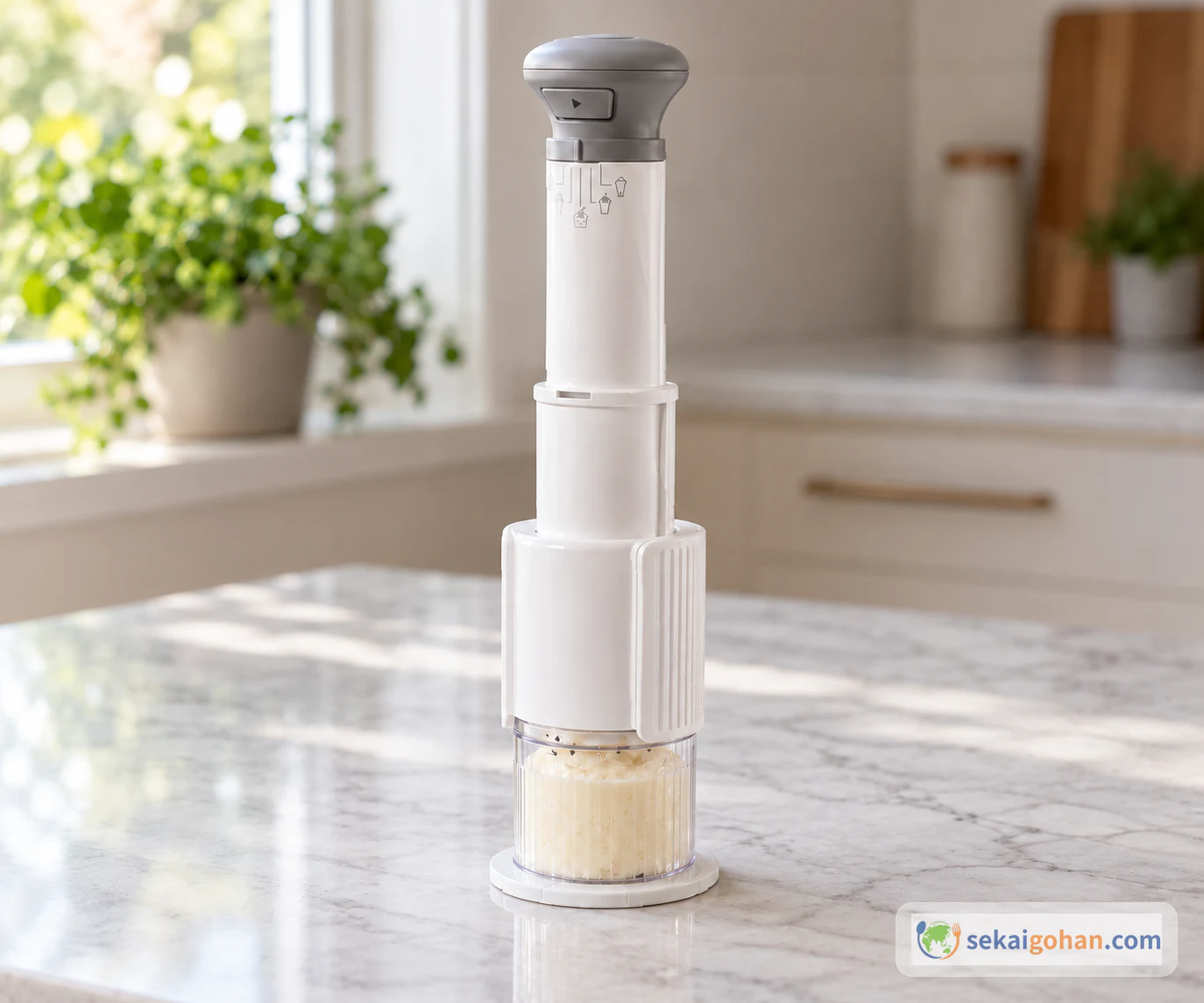
- Cuisinart ICE-FD10XA ice cream maker with its dedicated 240 ml dessert cup and lid
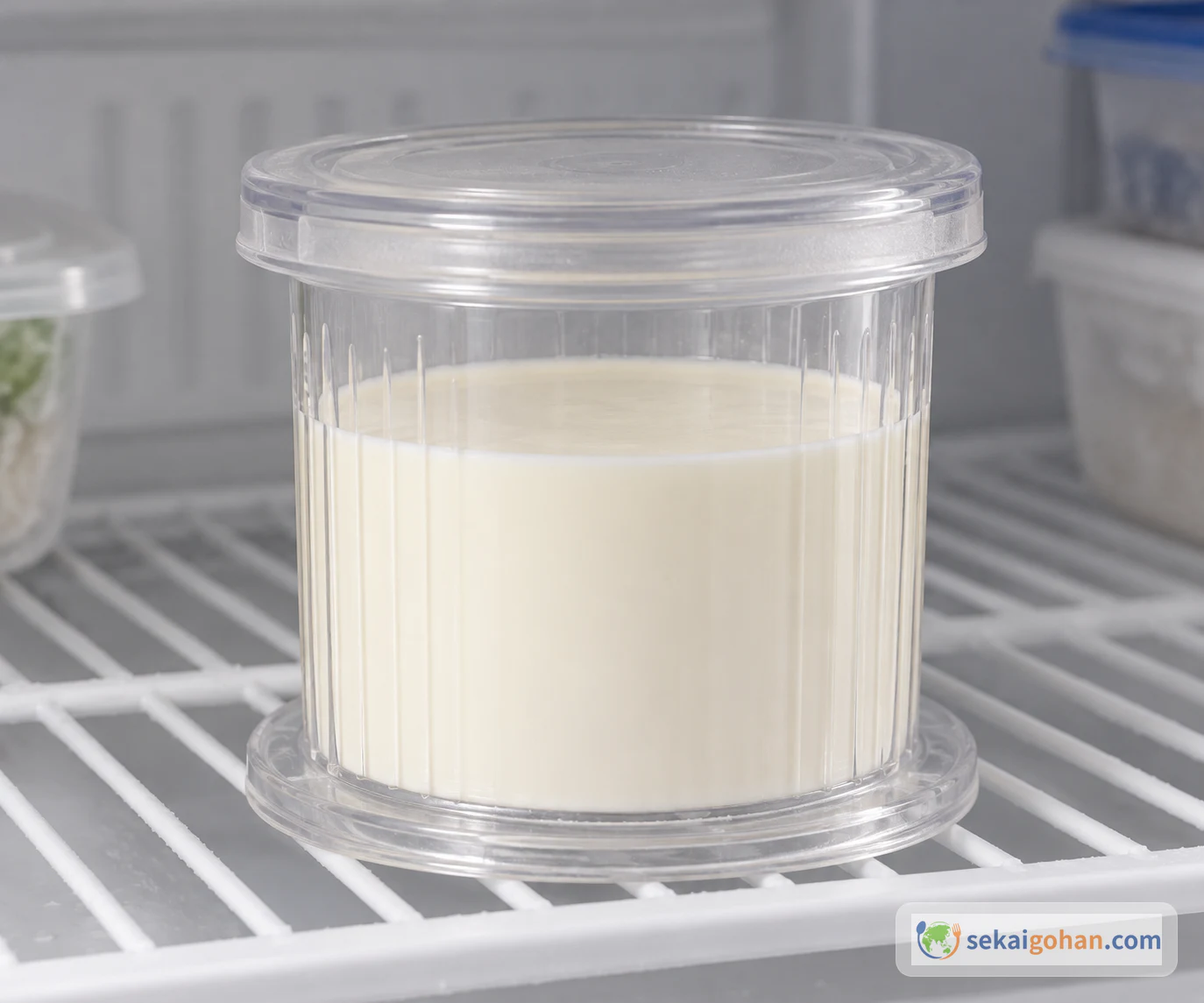
- A freezer that holds -18°C or colder, with a level shelf
Choosing the Dairy, Sugar and Golden Syrup
Thickened cream is a high-fat cream sold in Australia and New Zealand. If you can't find it, use fresh cream with 35% fat or more. Fat content and thickeners vary between products, so it won't be an exact match.
Caster sugar is a fine-grained white sugar. Granulated sugar works in its place for the ice cream base.
Golden syrup is worth tracking down, since it shapes the toffee's flavor and other syrups differ in both flavor and sugar makeup. Look for it at import grocers or online.
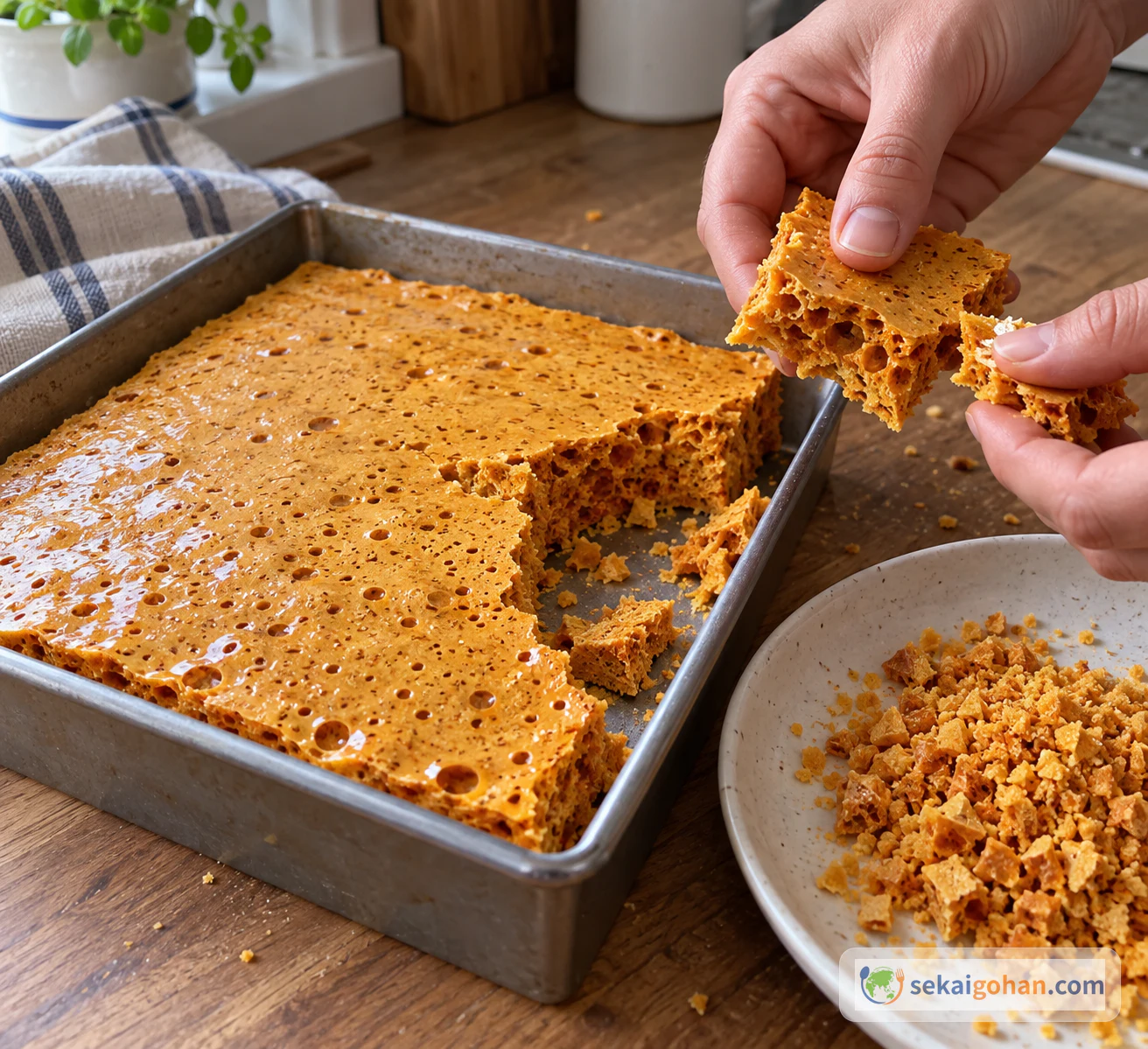
Hokey pokey contains no honey. "Honeycomb" describes the porous texture the baking soda creates. The toffee is just sugar, golden syrup and baking soda, with no butter, vanilla essence or chocolate coating.
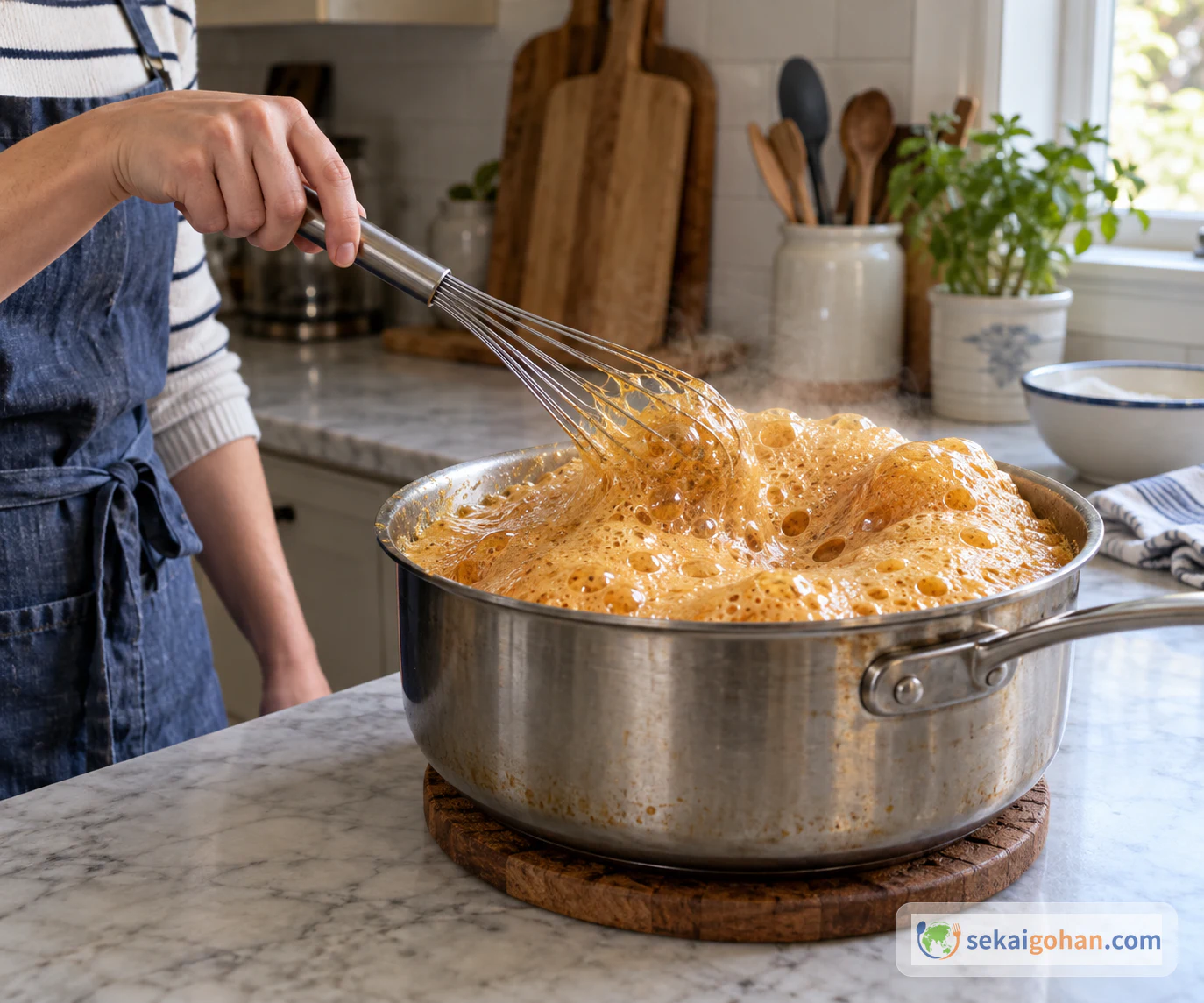
The sugar syrup gets very hot, and it foams up suddenly and strongly when the baking soda goes in. Keep your face and hands away from the pan, and take care when holding the saucepan and pouring. Use commercial pasteurized milk and cream and keep them chilled as their labels direct. Freezing is not a way to make dairy safe.
Method: Toffee First, Then the Base, the Freeze and the Churn
Make the hokey pokey first so it has time to cool and set. The ice cream base needs at least 24 hours in the freezer before churning, so plan ahead.
Fixing Common Problems with Hokey Pokey Ice Cream
| Problem | Likely cause | What to do |
|---|---|---|
| The foam rises fast and nearly reaches the rim | The toffee foams up strongly once the soda goes in | Use a deep, heavy saucepan from the start. Take it off the heat before adding the soda, and keep your face and hands back |
| The toffee tastes burnt or bitter | The syrup scorched while boiling | Melt the sugar over medium-low heat, and boil gently for only 2 minutes. Don't push the heat to hurry it |
| The foam sinks before it reaches the tin | Too slow between adding the soda and pouring | Have the greased tin beside the stove, stir the soda in quickly and pour immediately |
| The toffee won't break cleanly | It hasn't cooled completely | Leave it until it has fully cooled and set before breaking |
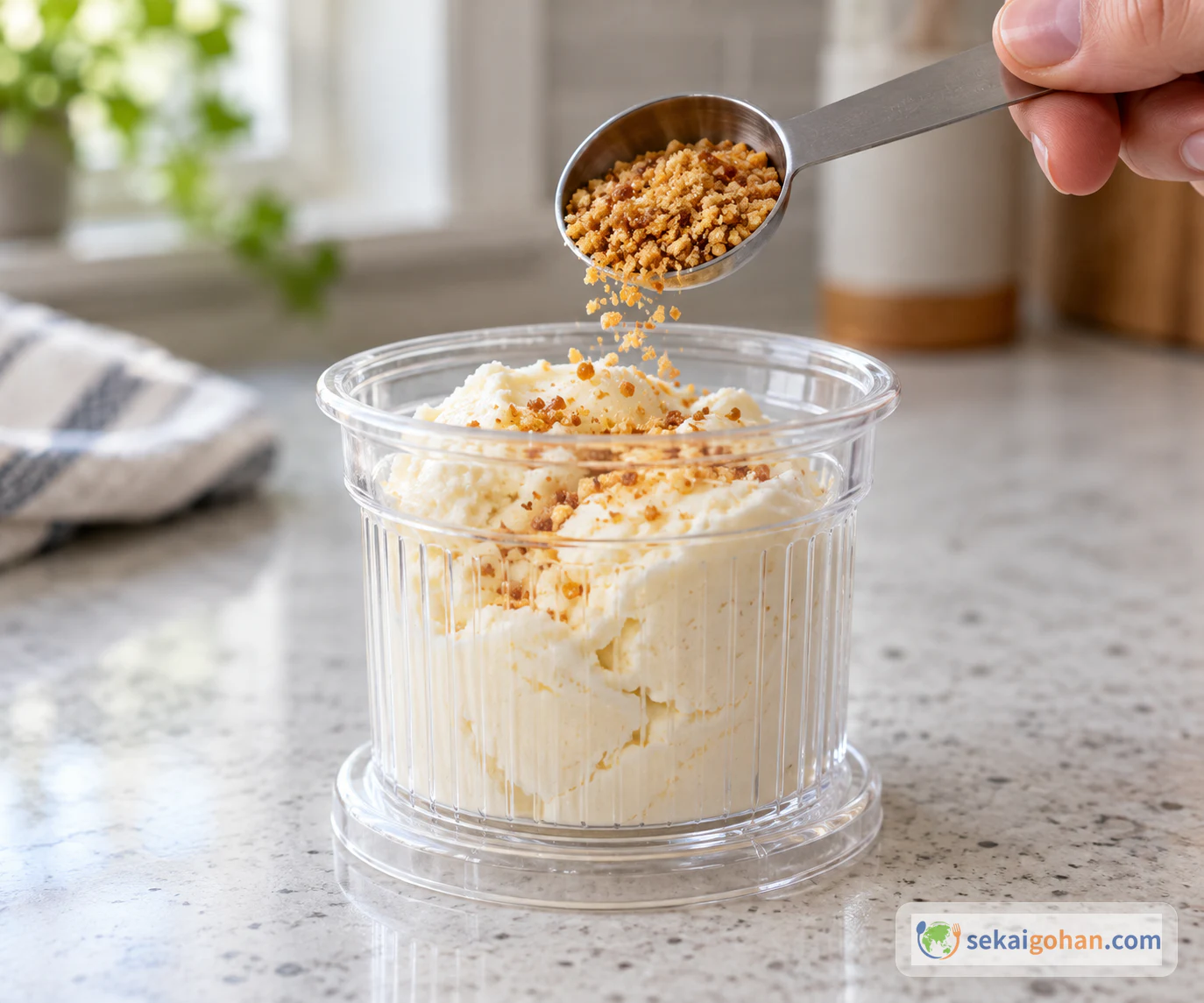
| Large lumps in the ice cream | Pieces bigger than 0.25 inch (0.5 cm) | Crush the mix-in portion to 0.25 inch (0.5 cm) or smaller before adding it |
| The toffee pieces turn soft or sticky | The toffee has absorbed moisture | Add the toffee only at the end with Mix-in, and eat the ice cream soon after |
| Base overflowing or not processing as expected | Filled above the MAX line, or not frozen long or level enough | Stay below MAX, freeze level at -18°C or colder for at least 24 hours, and follow the instruction booklet |
Frequently Asked Questions
Can I make this without an ice cream maker?
Not with this recipe. The base, freezing and churning are written for the Cuisinart ICE-FD10XA and its dedicated cup, and freezing the base in an ordinary container while stirring it repeatedly won't give the same result. If you have a different machine, make its manufacturer's basic vanilla recipe and add crushed hokey pokey at the end, following that machine's amounts and timings.
Does one cup make 240 ml of ice cream?
No. 240 ml is the capacity of the dedicated cup, and the base must stay below the MAX line.
What do I do with the leftover toffee?
The full toffee recipe makes far more than the 1 Tbsp the ice cream uses, about 20 servings depending on how large you break the pieces. The toffee absorbs moisture and its texture changes, so use it up soon.