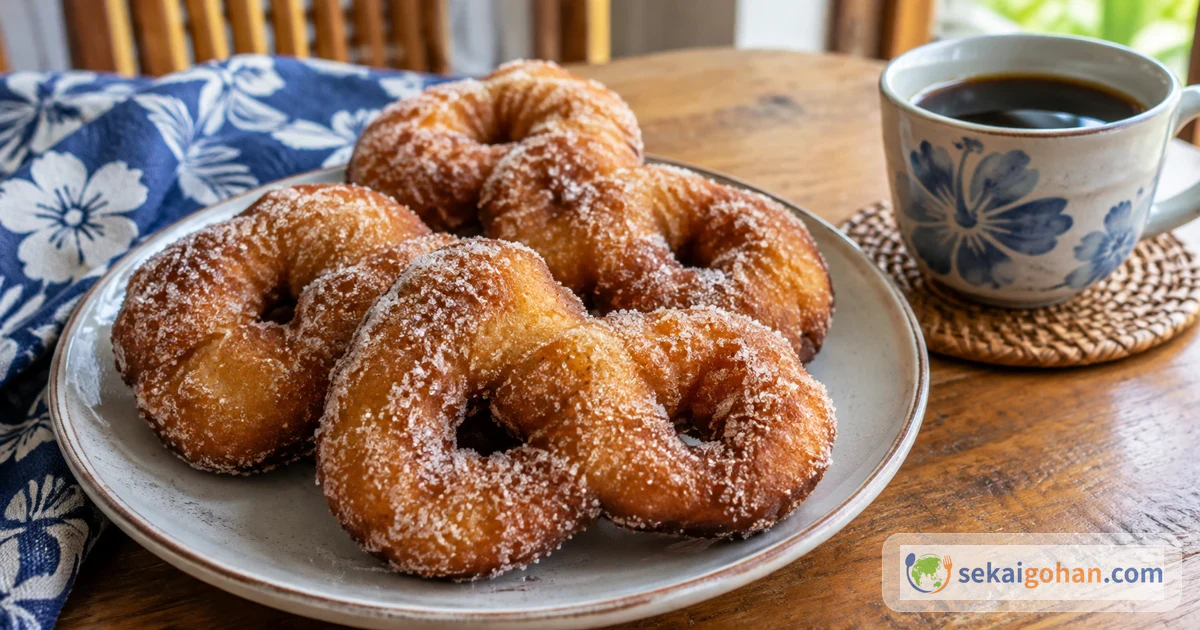
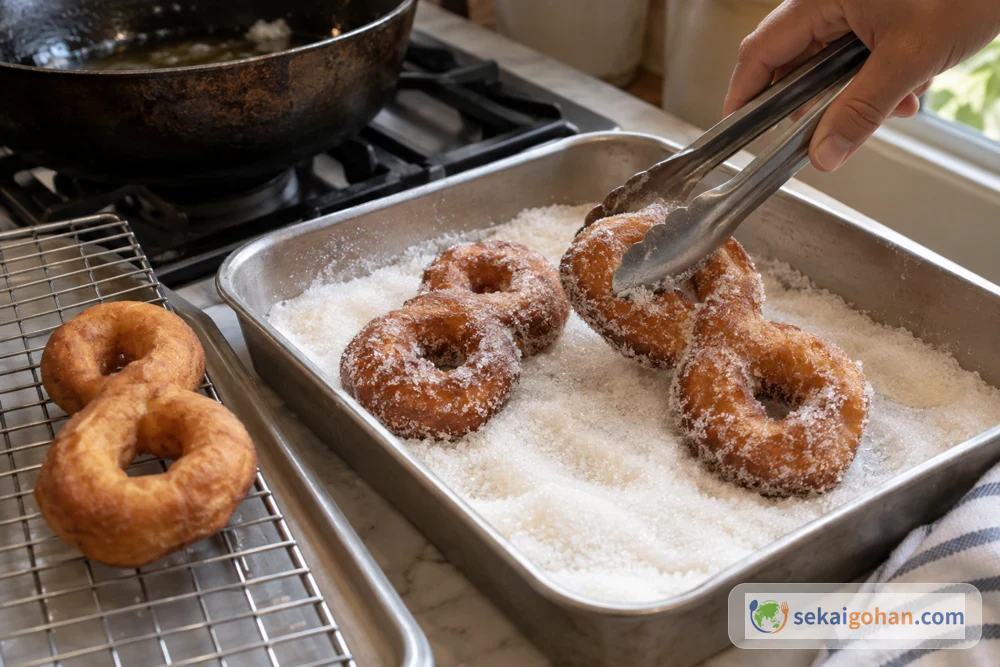
At 4 a.m. on a Sunday, the market in Papeete is already crowded, though the sky is still dark. People leave with bags of fermented taro sauce, lagoon fish and roast pork, and tucked in among them there is usually a freshly fried doughnut twisted into a figure eight, golden, sugar-coated and smelling of sweet coconut. This is firi firi, a fixture of the Tahitian Sunday breakfast. It is crisp on the outside, soft and chewy inside, and best eaten warm with a cup of coffee.
Firi firi and the Tahitian Sunday breakfast

Tahiti is the main island of French Polynesia, a spread of 118 islands across the South Pacific, and its capital is Papeete. Sunday breakfast is a Polynesian institution, and the popular items sell out early, so everyone tries to get to the market a little sooner. Sunday is the one day when it is forgivable to eat firi firi one after another. You'll find them at market stalls, in small shops around town and at the roadside, often next to "coconut bread," a sweet bread made with coconut that is another Sunday-morning favorite.
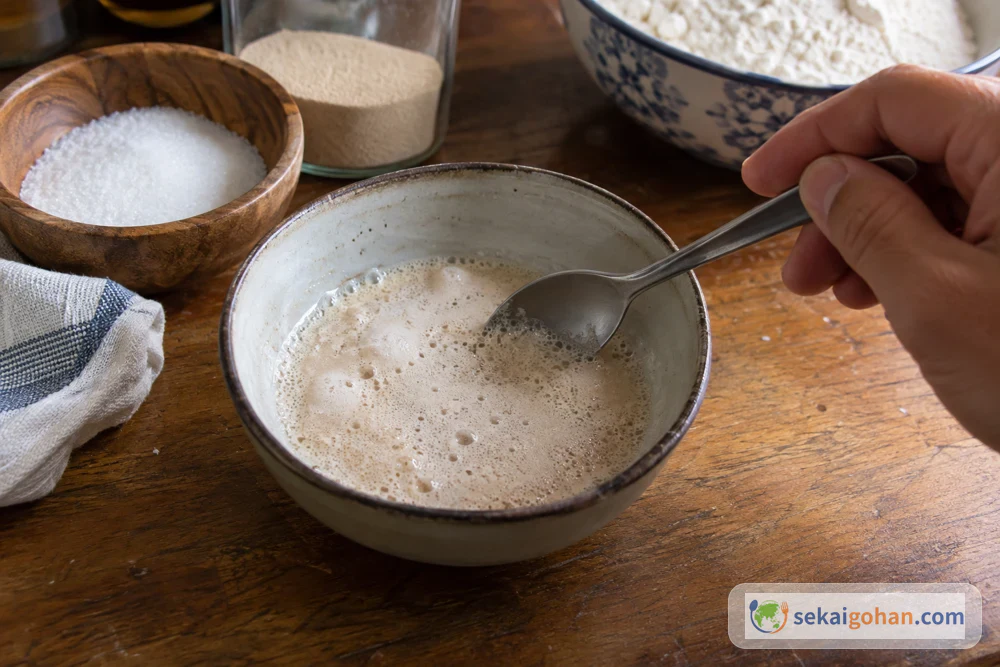
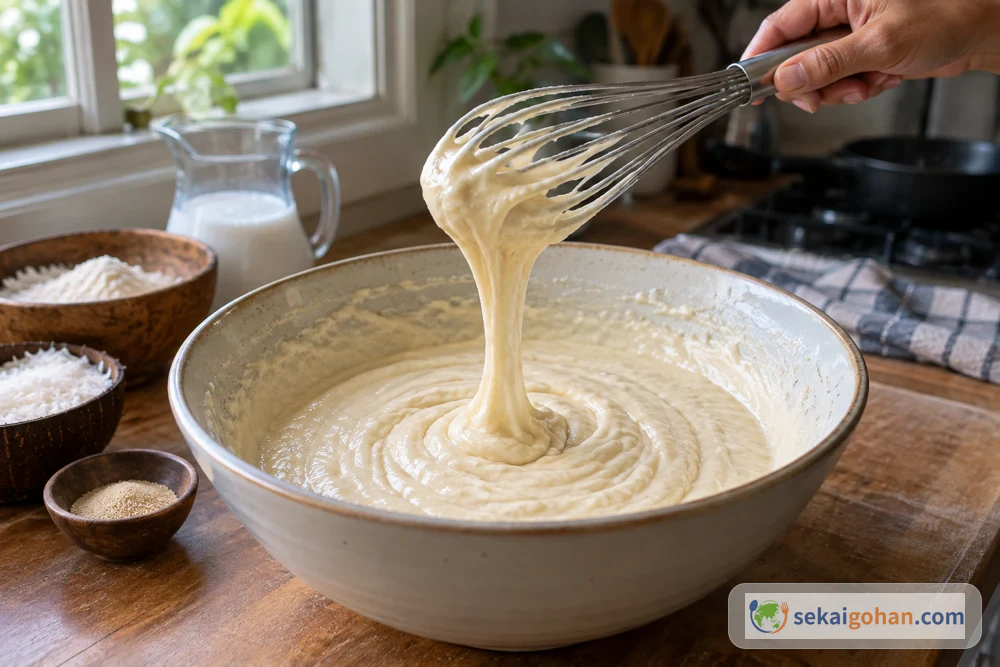
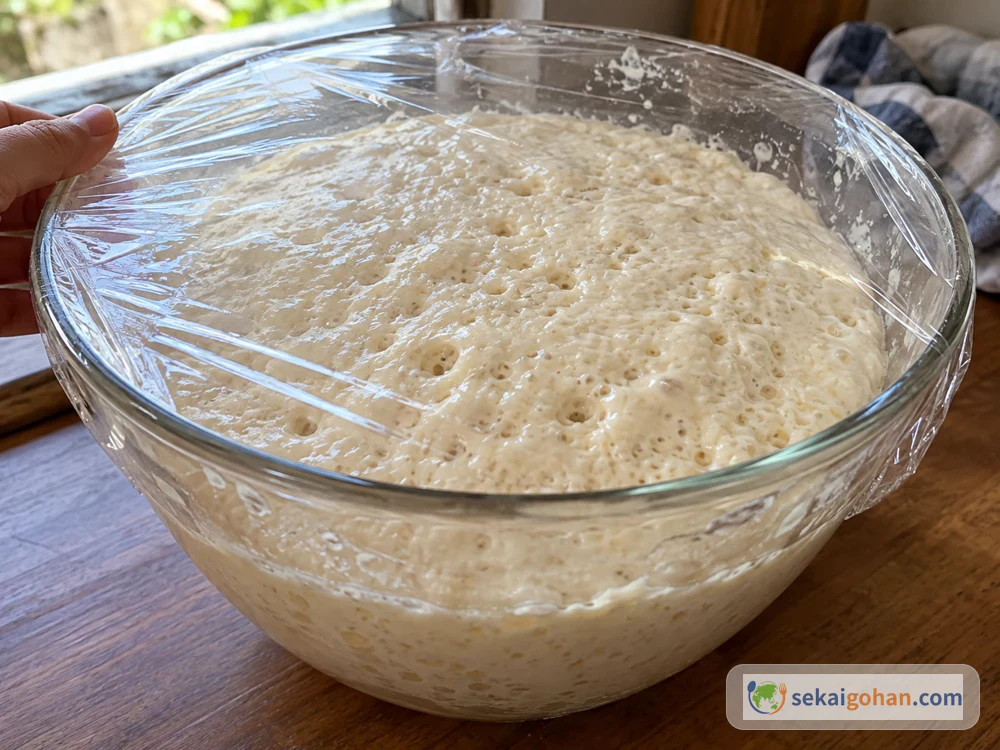
The dough is flour, sugar and yeast, mixed with coconut milk in place of water. After a rise of a few hours, the thick, glossy dough is piped into figure eights, fried in oil and coated with sugar. The texture is crisp outside and chewy, soft and gently sweet inside. Tahitians eat it for breakfast and for dessert, and having it with coffee is the standard Tahitian morning.
The figure-eight shape is linked to "varu" (the number eight), the hip movement in the Tahitian dance ori Tahiti that traces a figure eight.
French influence runs deep in the bread and sweets of French Polynesia. Firi firi, though, is a snack born in the island kitchen. Samoa's panipopo, another Polynesian sweet, is likewise a bread made with coconut cream, and the combination of coconut and wheat flour is a flavor shared across the islands of the South Pacific.
Ingredients (about 12 pieces, serves 4)
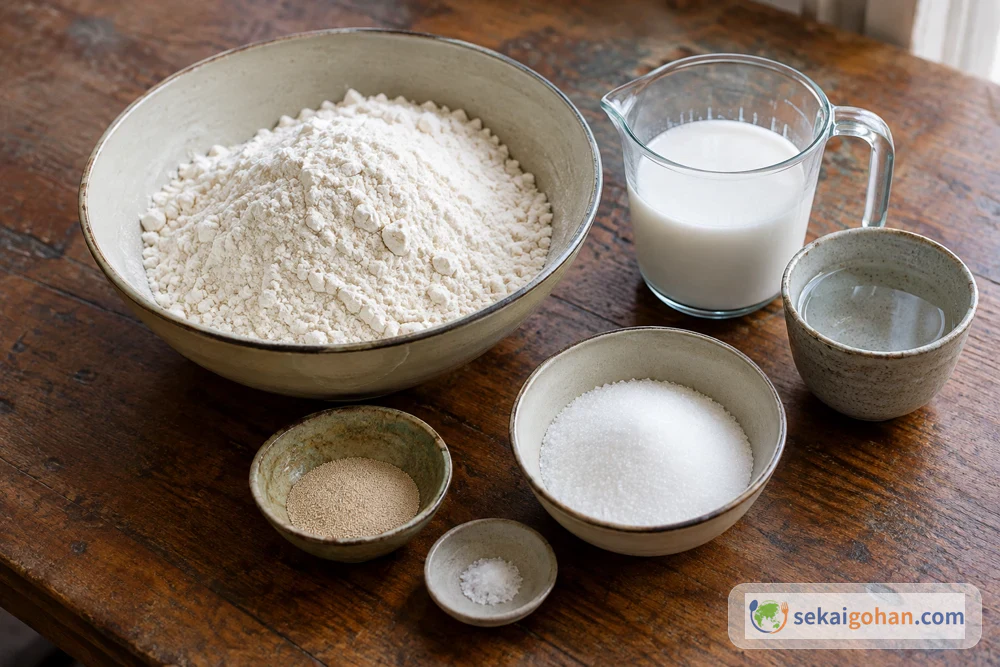
Because it uses wheat flour, it cannot be eaten by people with a wheat allergy. People with a coconut allergy should also avoid it.
Choosing ingredients for firi firi

Everything except the coconut milk is easy to find at a supermarket, and the coconut milk comes in cans or cartons. It tends to separate, with the fat settling apart from the water, so shake well before opening, or pour it into a bowl and stir well before measuring.
You can make it with either cake flour or all-purpose flour. Cake flour gives a soft, light result, and mixing in half bread flour makes it chewier. For the first time, we recommend using cake flour alone.
How to make firi firi
The rise takes 3 hours, so if you want it for breakfast, you can also make the dough the night before and let it rise slowly in the refrigerator (see the FAQ). The frying itself takes about 30 minutes.
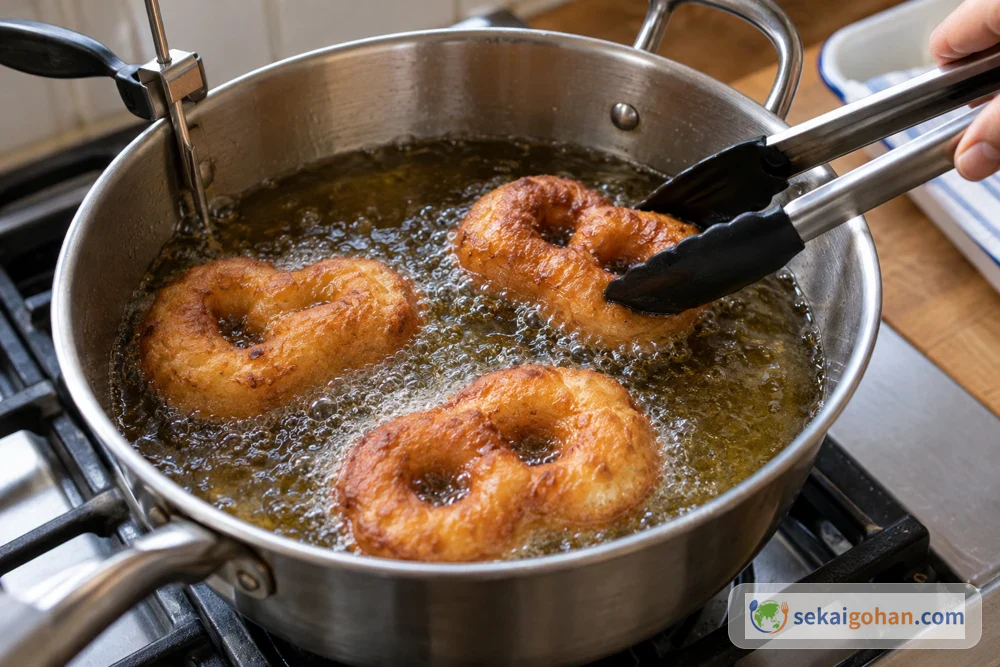
After frying the first one, break it in half and check the inside. If it is white and soft and cooked through to the center, that temperature and time are right. If the inside looks raw, lower the heat slightly and add about 1 minute to the frying time.
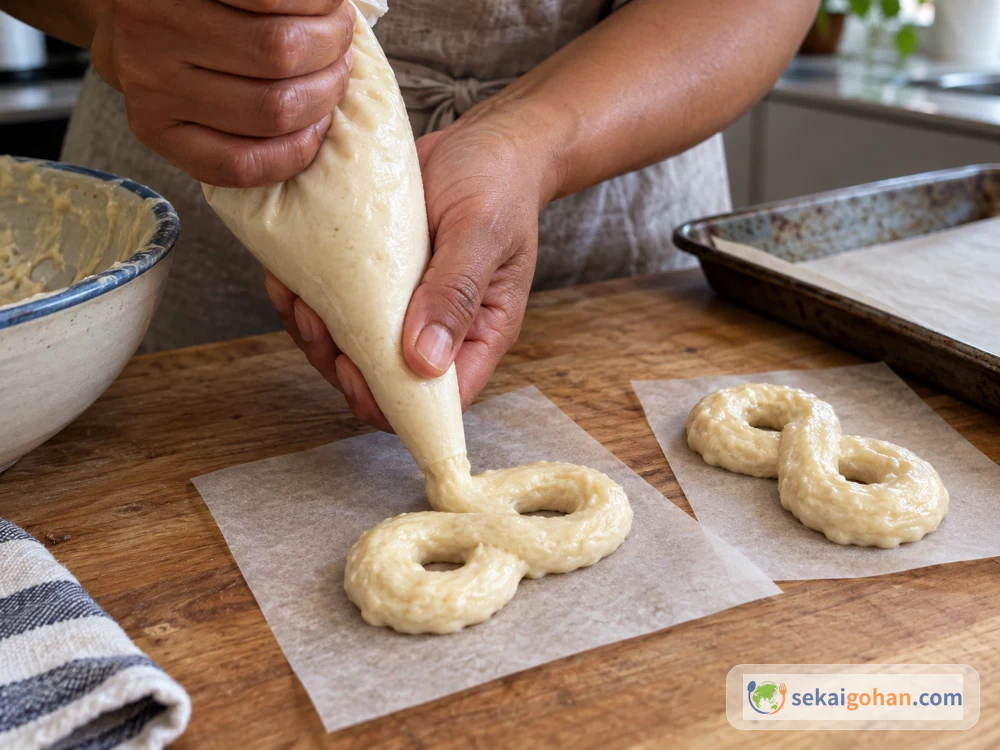
The dough is very soft and sticks to your hands. If you have no piping bag, you can substitute a heavy plastic bag with a corner cut off. Even if the figure-eight shape does not come out well, the taste is the same. Until you get used to it, it is fine to pipe sticks about 4 inches (10 cm) long.
:::warning Note Frying oil can catch fire if it gets too hot. Do not leave while frying, and keep it around 350°F (170°C) with a thermometer. The dough has a lot of moisture, so expect the oil to spatter when you lower it in. Lower it gently, parchment and all, from close to the surface of the oil.
Shaping and frying firi firi
Piping the dough straight into the oil in a figure eight is tricky in a home kitchen. Instead, pipe it onto parchment paper and then lower the paper into the oil with the dough.
Oil temperature matters more than anything else here. Oil that is too cool makes the doughnuts greasy and sticky; oil that is too hot burns the outside while the inside stays raw. A cooking thermometer takes the guesswork out of it.
Serving and varying firi firi
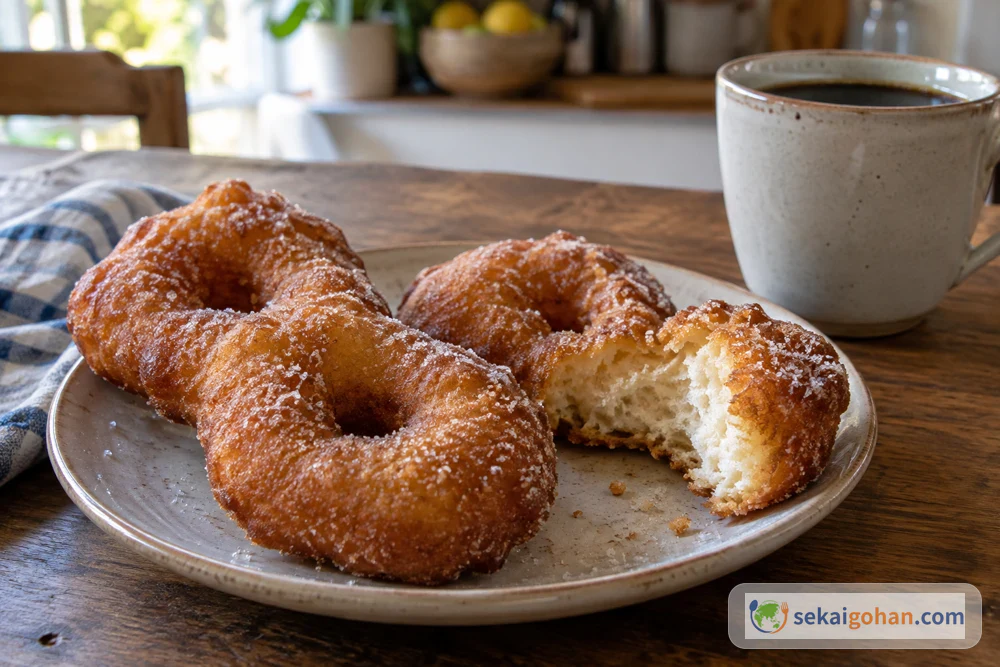
Firi firi is at its best freshly fried and still warm, when the crisp outside and chewy inside are at their peak. Do as Tahitians do and have it with hot coffee, dipping it briefly in the cup. Fried without the sugar coating, it is also good with maple syrup or honey.
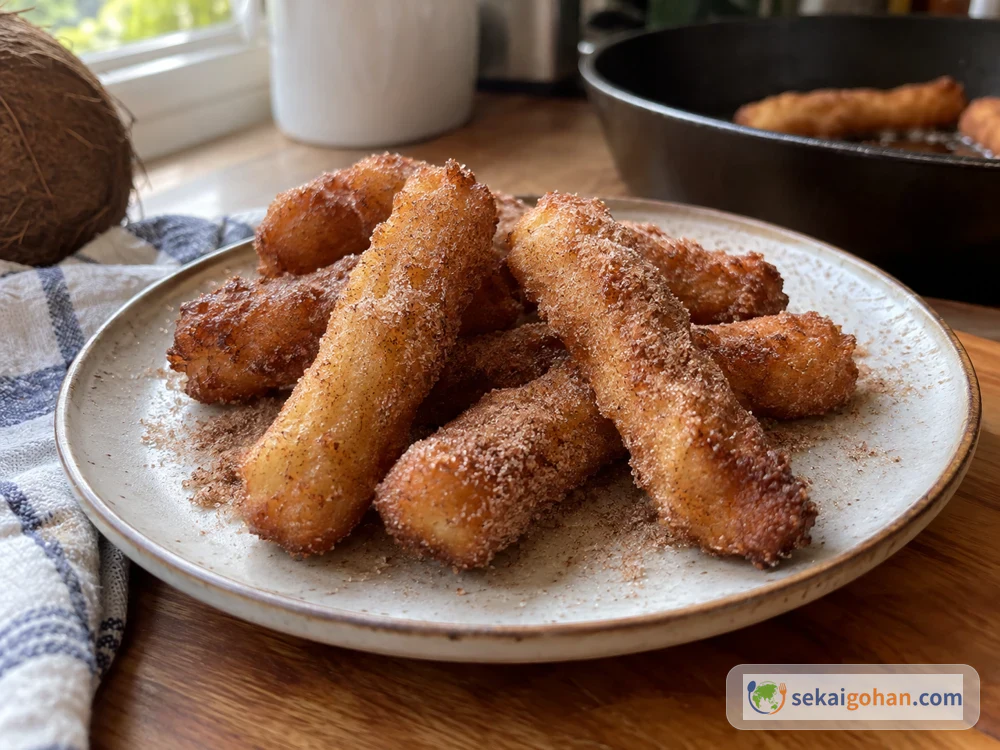
The coating is an easy place to play. An equal amount of shredded coconut mixed into the sugar boosts the coconut and adds an island-like fragrance, while 1 tsp cinnamon powder turns them into cinnamon sugar doughnuts. For a churro-like shape that's easy to eat, pipe sticks about 4 inches (10 cm) long instead of figure eights.
You can flavor the dough itself, too. The grated zest of 1 lime brings a refreshing aroma, and since vanilla is a specialty of Tahiti, a little of the seeds scraped from a vanilla bean is a fun addition.
Frequently asked questions
Can I make the dough the night before?
Yes. After mixing the dough, cover it with plastic wrap and put it in the refrigerator to rise slowly overnight (8–10 hours). The next morning, leave it at room temperature for about 30 minutes, check that it has risen and has bubbles, and then pipe it.
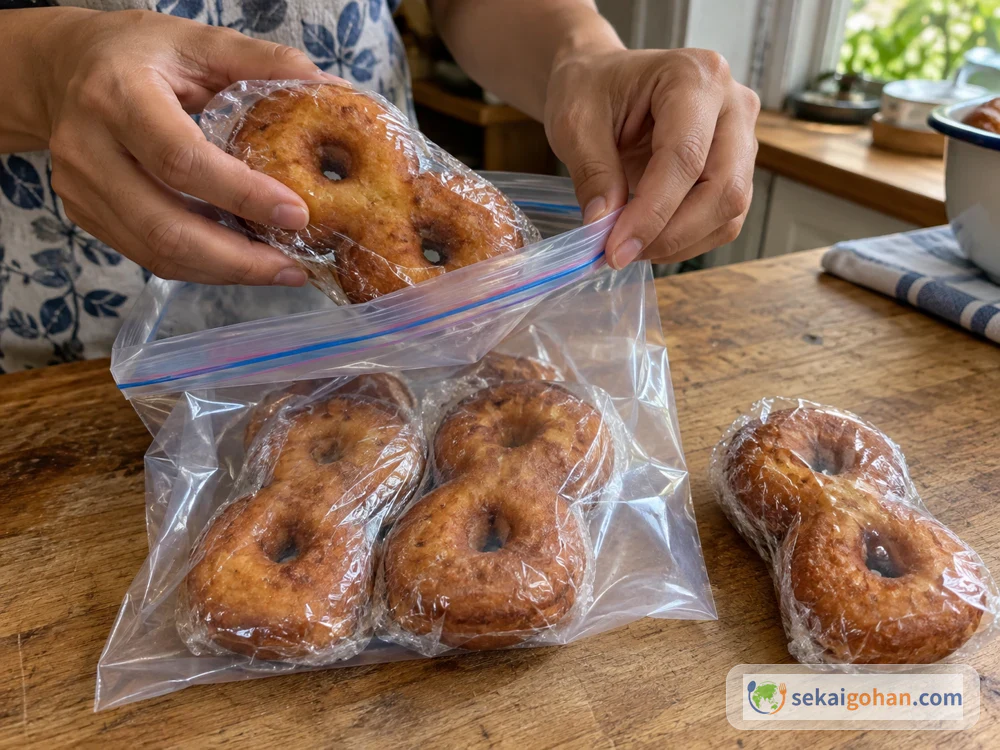
Can I store the fried ones?
They are best eaten the same day. For leftovers, wrap the doughnuts one by one in plastic wrap before coating them with sugar, put them in a freezer bag and freeze, and finish them within about 2 weeks. To eat, warm them still frozen in a toaster oven for 3–4 minutes and coat with sugar while warm.
The dough is too loose to hold a shape.
Over-rising, or too much water in the coconut milk, can cause this. Mix in 1–2 tbsp of flour at a time until the dough holds its shape when piped. Round doughnuts dropped from a spoon work too, and they taste just the same.