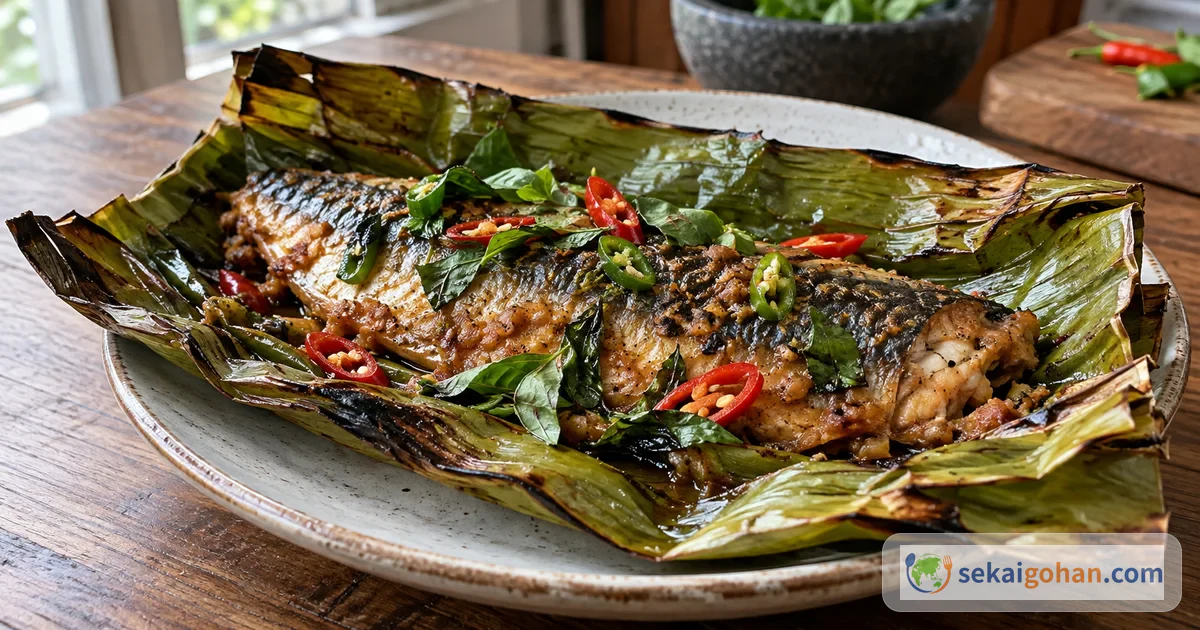
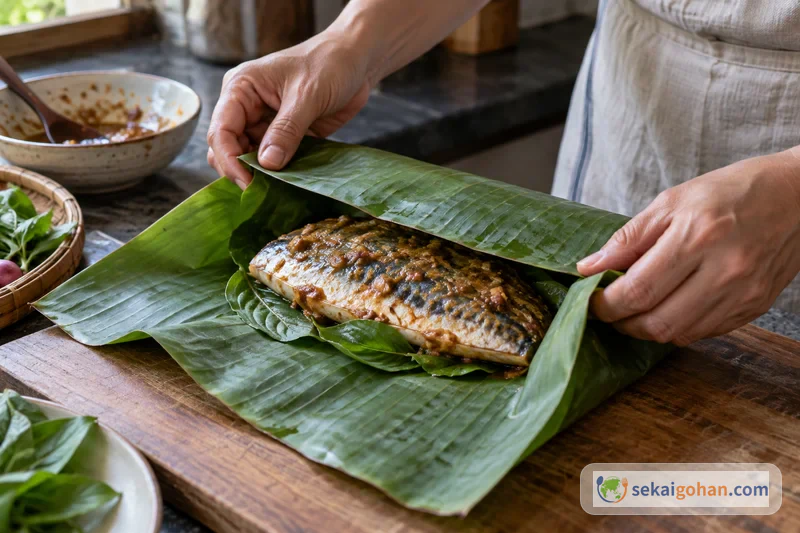
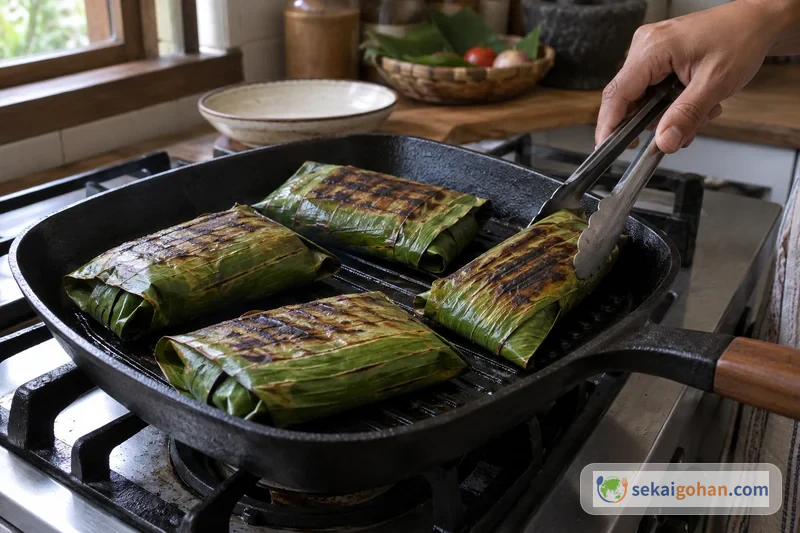
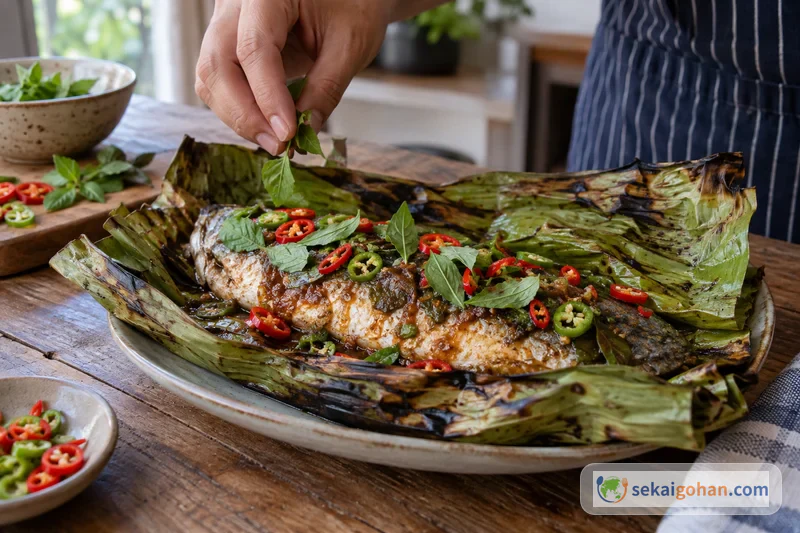
In the evening, smoke from scorching banana leaves rises off the charcoal at a seaside eatery, and fish fillets wrapped in those leaves sit on the grill. Open one and a sweet-sour tamarind aroma wafts up, with basil and green and red chiles scattered over the fish. This is ikan sabuko, a dish from Timor-Leste (East Timor), the island nation in Southeast Asia. The tamarind's sourness, the heat of the chiles and the basil come together in a flavor typical of Southeast Asian islands.
Ikan sabuko in Timor-Leste
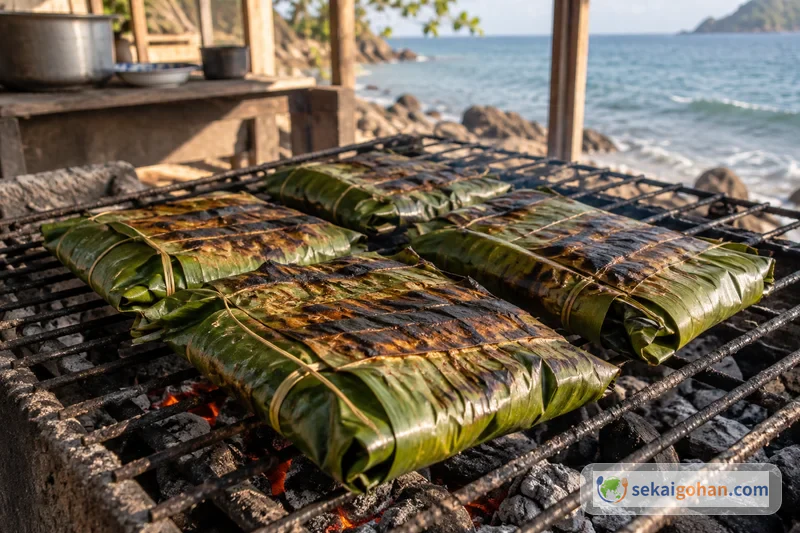
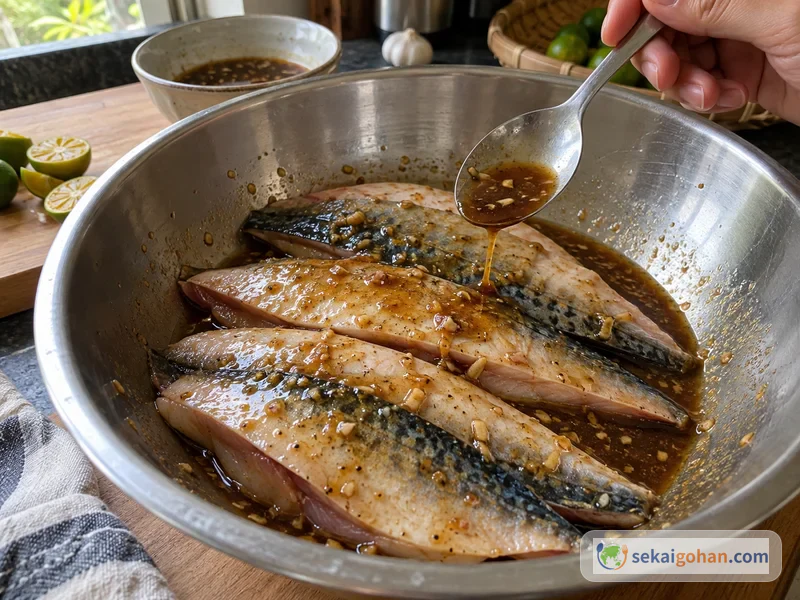
Timor-Leste occupies the eastern half of the island of Timor, just east of Indonesia, and its capital, Dili, sits right on the sea. Seafront eateries grill the day's catch and serve it with a cold drink, and the lively roadside stalls are another pleasure of eating in the city. One of the traditional dishes is ikan sabuko, fish grilled with tamarind and basil. "Ikan" means fish in Indonesian and Malay. In its basic form, Spanish mackerel (a member of the mackerel family) is marinated in tamarind and then grilled with basil and chiles.
The food of Timor-Leste was shaped by a long history as a Portuguese colony and by its neighbors, Indonesia above all. Mackerel turns up in Portuguese cooking too, so the dish carries a trace of Portuguese flavor.
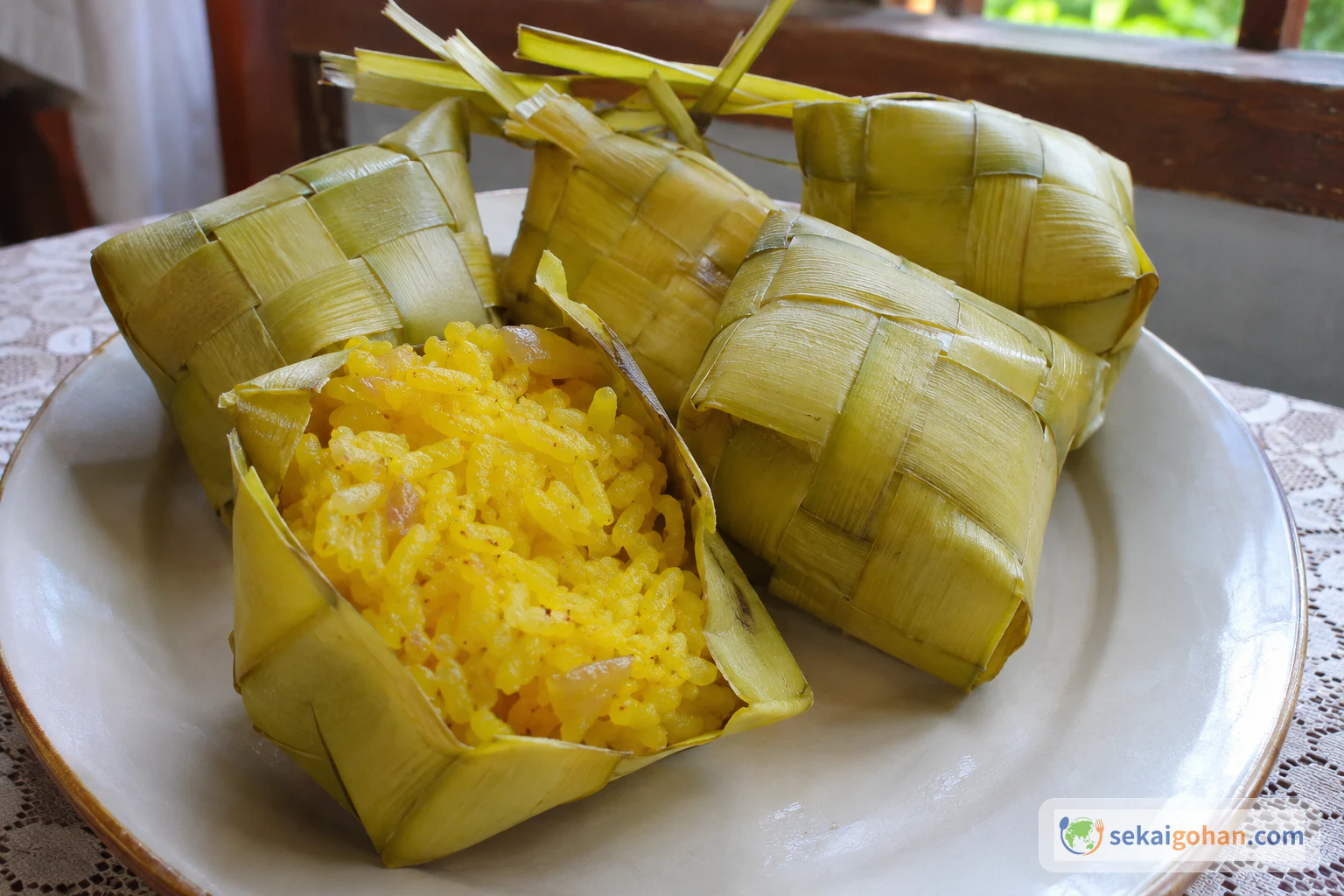
In Timor-Leste, cooking over wood is part of daily life. The fish fillets are wrapped in banana leaf, grilled on a grate and often served with katupa, rice cooked in a pouch woven from palm leaf. You may also see the dish spelled "ikan saboko."
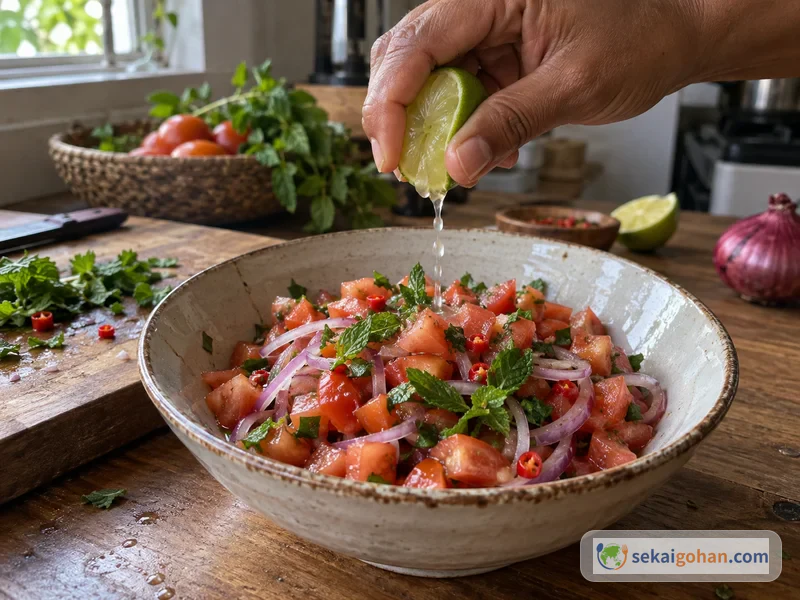
The grilled fish comes with a sauce called budu, a raw mix of tomato, mint, lime and red onion that cuts through the richness of the fish. A grilled-food plate also needs "budu ai manas," a hot pickle of salt, lime juice, garlic and chile. People in Timor-Leste can't live without chile.
Ingredients (serves 4)
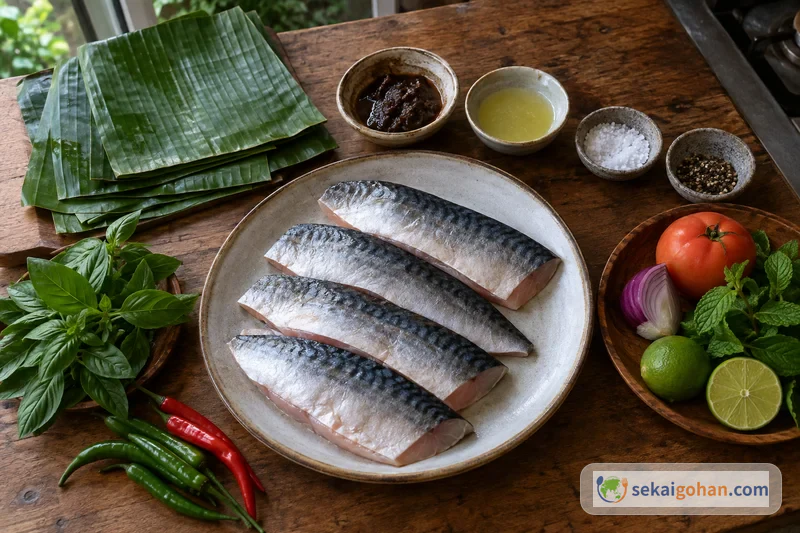
After chopping chiles, don't rub your eyes or face with your hands. If you are sensitive to heat, remove the seeds and pith to soften the spiciness. People with a fish allergy should avoid this dish.
Choosing ingredients for ikan sabuko
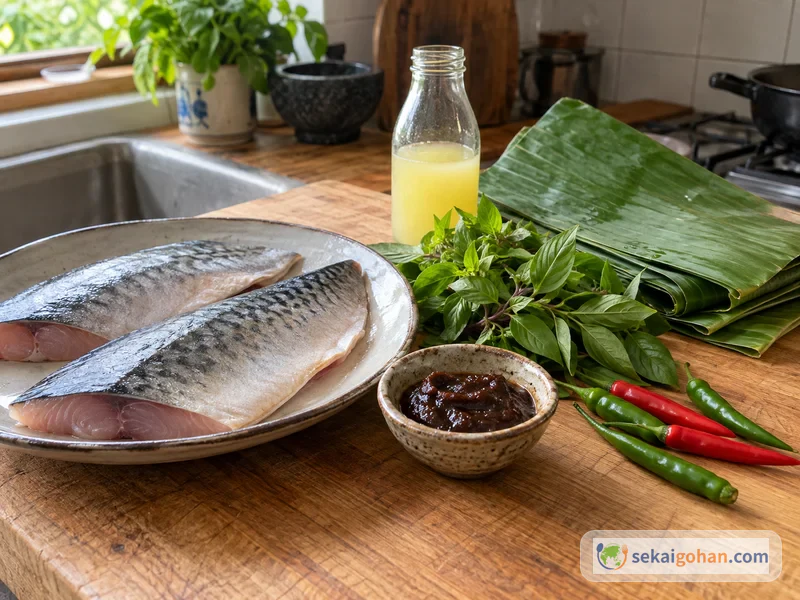
Good news first: the fish is easy to find. Use Spanish mackerel fillets from an ordinary fish counter in place of the mackerel relative used in Timor-Leste. Any fish from your local market will do, so mackerel, yellowtail or cod fillets are fine too.
Tamarind is the pulp inside the pods of a tree in the legume family, and it tastes sweet-sour, a bit like umeboshi. Asian grocers and online shops sell it as ready-to-use paste or as blocks pressed together with the seeds and fibers. Paste is the easy choice. If you buy a block, soften it in hot water and strain out the seeds and fibers.
Calamansi is a small citrus used in the Philippines and elsewhere, and you can buy the juice in bottles. If you can't find it, lime, sudachi or kabosu juice has a fresh sourness that works just as well.
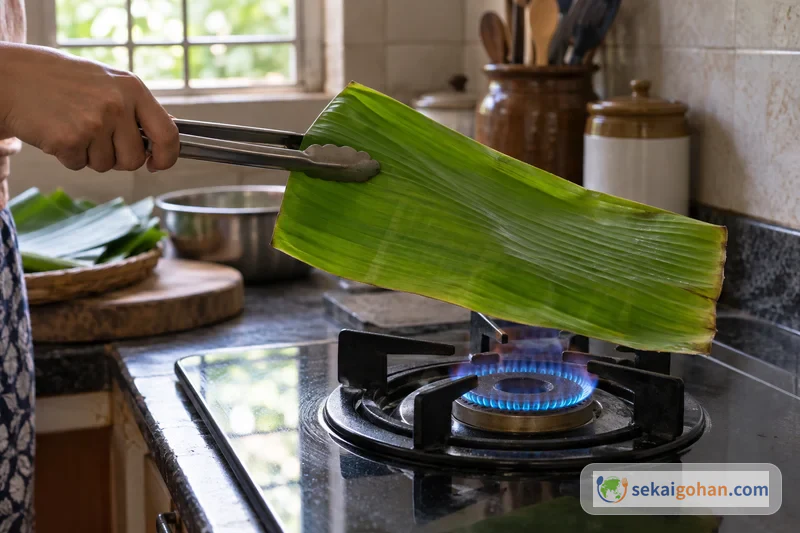
You can find frozen banana leaf at Asian grocers and online. The leaf steams the fish as it grills, so the fish stays moist and picks up the scorched aroma of the leaf. If you can't get banana leaf, aluminum foil works (see the variations below).
How to make ikan sabuko
The marinade takes 30–45 minutes, but the cooking takes only about 15. If you prepare the budu and the banana leaf while the fish marinates, all that's left is to grill.
The tamarind marinade soaks into the flesh side better than the skin side. Keep the marinade to 45 minutes at most. If it marinates too long, the acid tightens the surface of the flesh white and the fish tends to come out dry.
If you use a broiler or fish grill, put the packages on the rack and cook over medium heat for 10–12 minutes. If the leaf scorches too much, lay aluminum foil over the top. In a skillet with a lid, cook over medium heat the same way.
When you pass the banana leaf over the flame, keep it away from the fire and move quickly so the leaf doesn't catch. The cooked packages are full of hot steam, so don't put your face close when you open the leaf; use scissors or tongs.
Serving and varying ikan sabuko
Serving and pairing
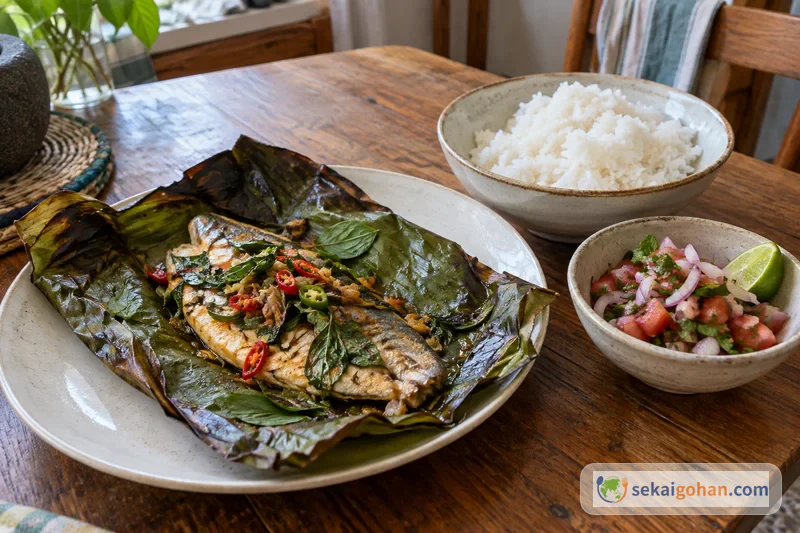
Once grilled, the tamarind's sourness tightens the fat of the fish, and the flavor turns sweet-sour and savory. A spoonful of the tomato and mint budu on top freshens your mouth for the next bite. If you like heat, add more chile.
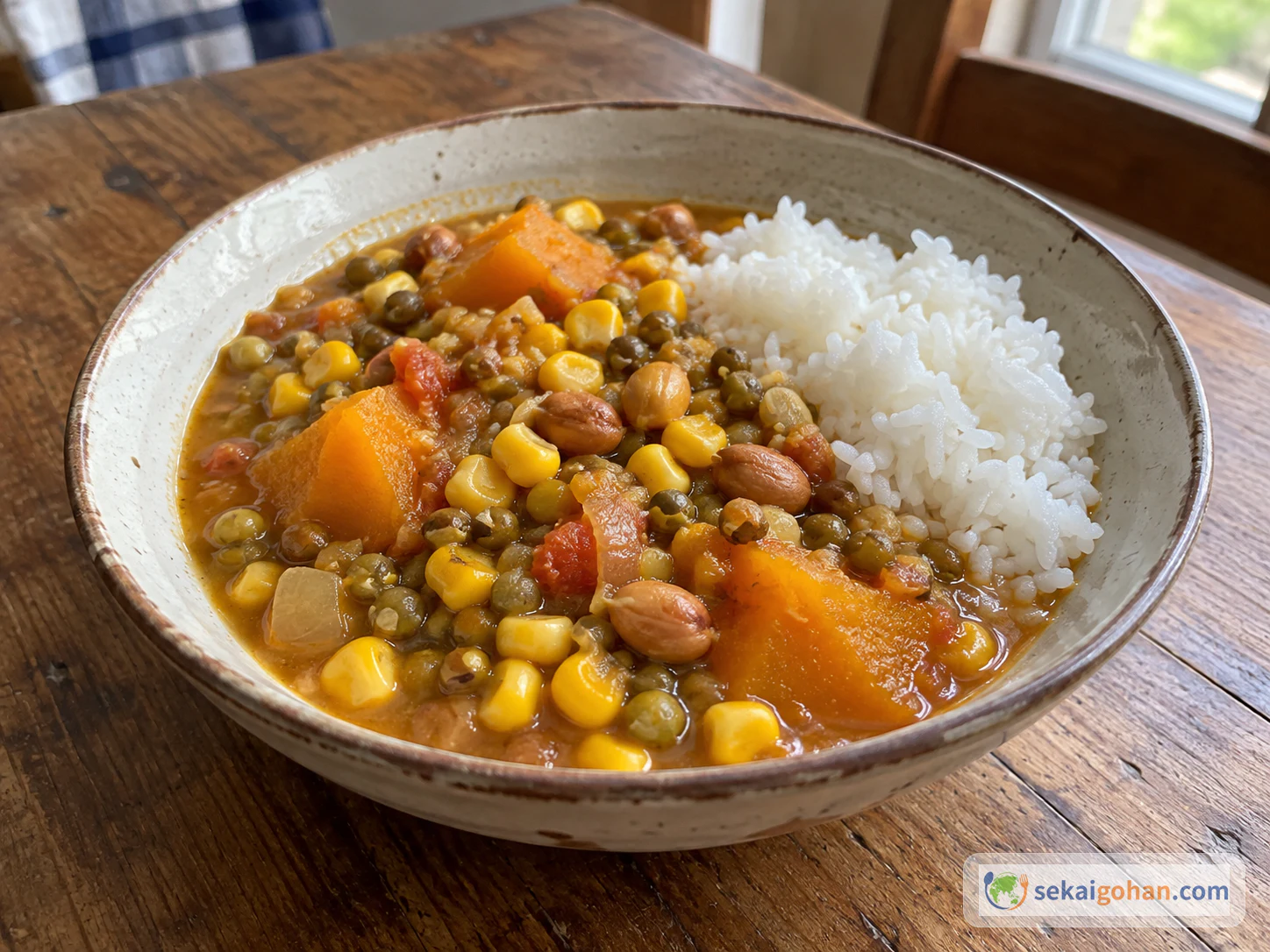
Rice is the usual partner. Timor-Leste also has a simple traditional dish called "batar da'an," made by simmering corn, beans and pumpkin, and a simmered pumpkin dish on the side gives you a combination closer to an island table. To compare it with other Southeast Asian grilled fish, try Malaysia's ikan bakar (in Japanese) or Bali's sate lilit (in Japanese).
On the Malay Peninsula, budu can also mean a fermented anchovy sauce, which is mixed with calamansi juice, chile and red onion. In Timor-Leste, budu usually means the raw tomato and mint sauce, and that is the version made here.
Variations
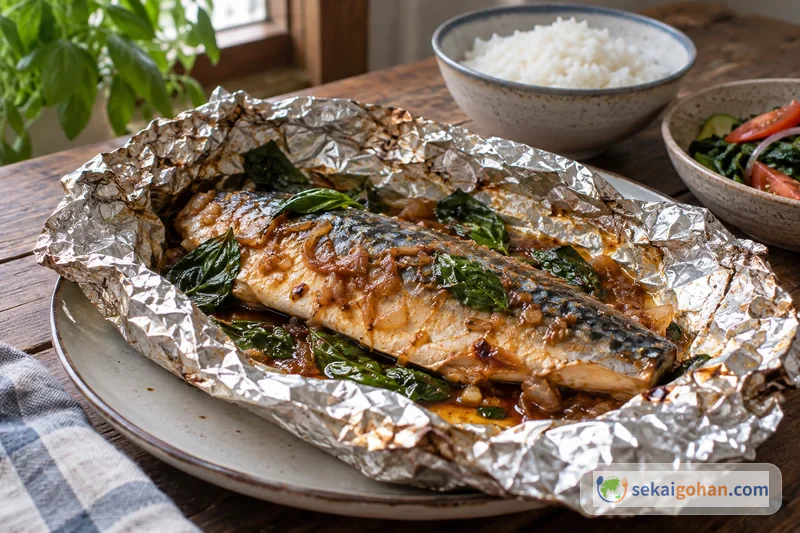
Fatty mackerel fillets make a good stand-in for Spanish mackerel, because the tamarind's sourness balances the fat and gives a richer flavor. Wrap the fish in aluminum foil and cook it on a fish grill, and it's easy to make without banana leaf. Lay basil on the inside of the foil so its aroma carries into the fish.
For a stronger aroma, add 1 clove of grated garlic to the marinade. If you're barbecuing over charcoal, put the packages on the grate and turn them now and then. The leaf may scorch black, but the fish inside is still steaming.
Frequently asked questions
Is there a substitute for tamarind paste?
1 tbsp of strained umeboshi (pickled plum) flesh mixed with 1 tsp sugar gives a similar sweet-sour flavor. The plum flesh is very salty, so leave out the salt. You can also make a sweet-sour marinade with 1 tbsp black vinegar and 1 tsp sugar.
Can I make it with bone-in fish?
Yes. If you use a whole small fish, cut 2–3 slashes in the thick part so the marinade soaks in. Cook it for about 8 minutes per side and check that the fish is cooked through around the bones.
Can I make it ahead?
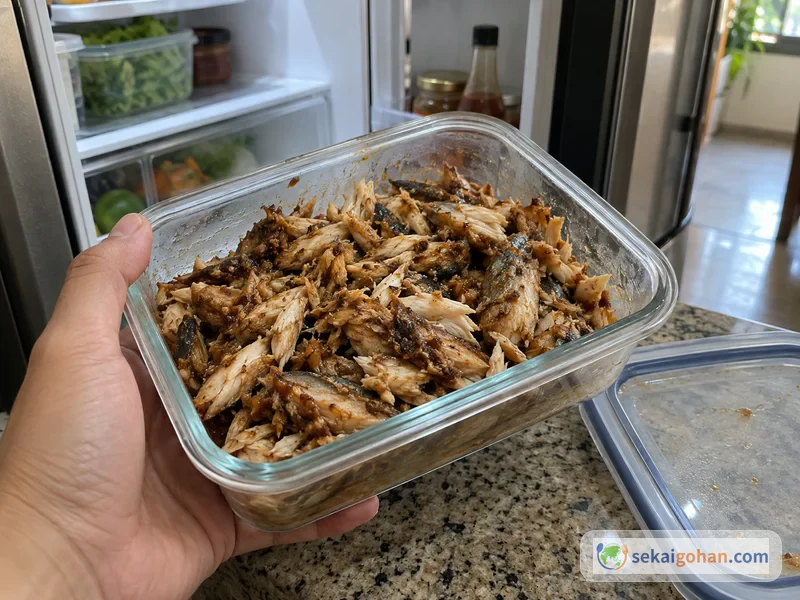
Let the grilled fish cool slightly, then refrigerate it in a storage container and eat it by the next day. The tomato in the budu releases water, so the sauce is best the day you make it. Reheat the fish in the microwave in short bursts, because too much heat makes it tough.