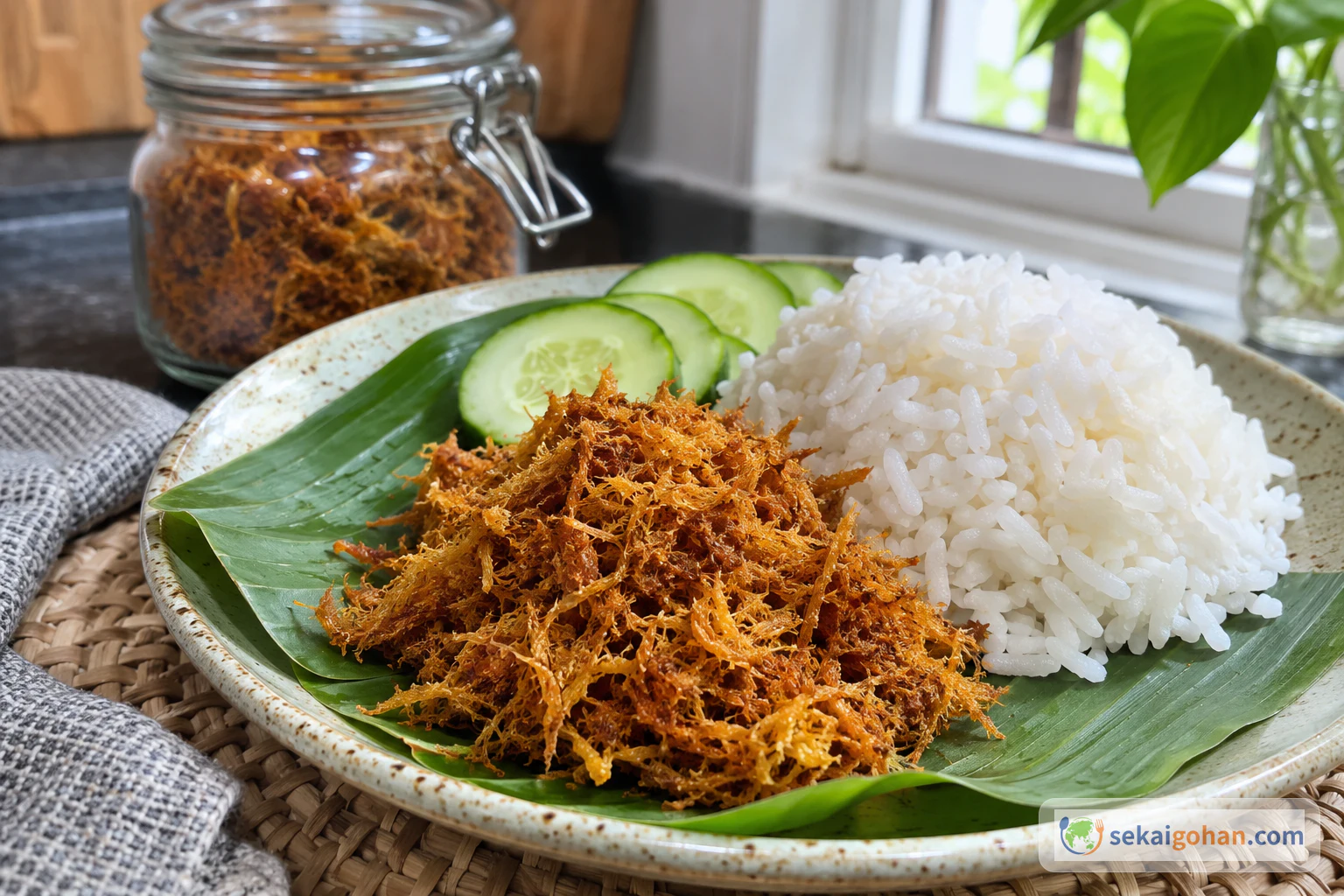
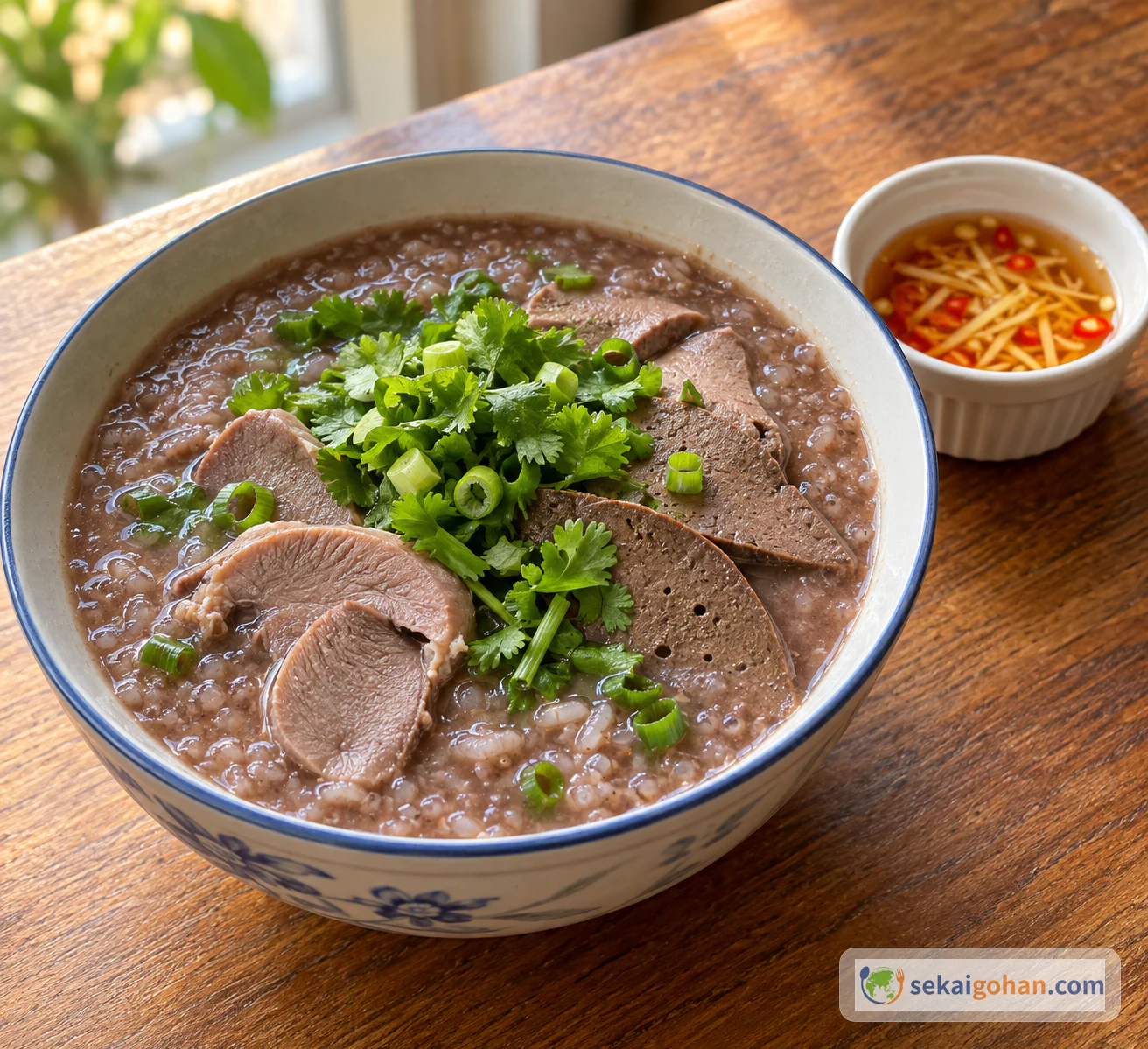
In a morning skillet, ground pork and garlic sizzle while the sugar and vinegar in the mix scorch a little at the edges. Beside it, yesterday's rice fries in garlic oil, an egg goes in, and the kitchen starts to smell like a Filipino breakfast. Longganisa is a small, sweet-savory pork sausage eaten all over the Philippines, and its flavor is strong enough to make plain white rice the thing you build the plate around. This version is skinless. You mix the meat, rest it, roll it into logs in parchment paper and cook it, so there are no casings to hunt down for your first batch.

Longganisa Across the Philippines
The name comes from longaniza, a sausage found throughout the Spanish-speaking world, but each Philippine region makes it its own way. Some versions are sugary, some are sharp with garlic and vinegar, some are reddened with annatto, and some carry chili or oregano. You can't recreate every one outside the Philippines. If you handle ground pork, garlic, vinegar, sugar, soy sauce and fish sauce well, though, you can get close.
Longganisa is the Filipino spelling. Longaniza is the broader Spanish-derived name.
Regional styles of longganisa

The sweet hamonado style from around Pampanga is closest to the breakfast sausage most people picture, with the gloss of sugar and soy sauce up front. The de recado style known from Vigan leans on vinegar and garlic, and after a bite you'll want white rice or a small bowl of vinegar. The style from around Lucban and Quezon carries herbs and spices.
At home, decide first whether you want a sweet breakfast sausage or one built on garlic and acidity. This recipe sits in between. Sugar gives the breakfast gloss, while coconut vinegar and garlic keep the flavor unmistakably Filipino, so it never drifts toward a too-sweet supermarket wiener or a sour, preserved-tasting link.
| Direction | Axis of flavor | Ingredients to approach it | Best way to eat |
|---|---|---|---|
| Hamonado style | Sweet-savory gloss | Raw cane sugar, soy sauce, a little fish sauce | Garlic rice, fried egg |
| Vigan style | Garlic, vinegar, pepper | Coconut vinegar, more garlic | A small bowl of vinegar, tomato, cucumber |
| Red street-stall style | Color and aroma of annatto | Annatto oil, a little paprika | Banana ketchup, bread |
| Herb style | Oregano, chili | Dried oregano, coarsely ground chili | Beer, pickled vegetables |
Longsilog and the Filipino breakfast
Longsilog, a name you'll see on menus all over the Philippines, combines longganisa, sinangag and itlog: sausage, garlic rice and egg. The name is the whole menu, with meat, rice and egg together on one plate. The sausage tastes best that way too, next to rice fried with garlic, an egg, and banana ketchup or vinegar.
Adobo (in Japanese) and chicken inasal (in Japanese) pair vinegar and meat, and longganisa is the breakfast version of that pairing. Set it beside an egg dish like tortang talong or a morning porridge like arroz caldo, and you can see how Filipino home cooking builds a hearty rice breakfast.
Ingredients: A Home Version of Skinless Longganisa
This serves 4, about 12 links, which is 3 per person with garlic rice and egg. To make ahead, double it. Freeze after shaping and it's easy to bring to breakfast.

For the annatto oil, put the oil and annatto seeds in a small pot, warm over low heat for 2 minutes until red comes out, and strain. Turn off the heat while the oil is bubbling and fragrant and before the seeds turn black. Longganisa doesn't need to be bright red, but a little color keeps the finished sausage from sinking into the breakfast plate.
This recipe uses pork. Soy sauce and fish sauce can contain soy and wheat. Ground meat can carry bacteria throughout, not just on the surface, so cook it fully to an internal temperature of 160°F (71°C) or higher. Never reuse the bowl, spatula or cutting board that touched the meat for cooked food or serving plates.
Choosing Ingredients for Longganisa

The flavor rests on pork, garlic, vinegar, sugar and browning. Casings, a specific Filipino soy sauce and the fat ratio of local pork can wait for later batches. Skinless longganisa is also easier to fit into a weekday breakfast and easier to freeze.
Coarsely ground pork is ideal. Ordinary supermarket ground pork works, but if it's very fine it packs tight like a hamburger patty. If you can't find a coarse grind, chop the pork belly slices from the ingredient list into 0.25 inch (5 mm) pieces and mix them in, so you get a few grains of fat in every bite.
| Ingredient in doubt | Closest to local | Realistic substitute | Judgment |
|---|---|---|---|
| Vinegar | Coconut vinegar, cane vinegar | Mix rice vinegar and apple cider vinegar | Acidity is essential |
| Color | Annatto oil | A little paprika | Color is a supplement, not the flavor |
| Meat | Coarse-ground pork, fattier | Ground pork and chopped pork belly | Grains of fat make it more sausage-like |
| Sweetness | Sugar-rich hamonado | Raw cane sugar 2 to 2.5 oz (55 to 70 g) | For breakfast, don't fear the sweetness |
| Sauce | Banana ketchup | Ketchup with a little vinegar | Add at the table, not to the meat |
| Doneness | Brown after steam-frying | Cook through first with water | Avoids a burnt outside and raw inside |
Method: Rest, Steam-Fry, Then Brown at the End
If you start longganisa on high heat, the outside burns while the inside stays half raw. Steam-fry in water first to cook through to the center. Once the moisture is gone, build color with fat and sugar. The browning is umami, but stop before it turns black and bitter.
In the skillet from which you took the longganisa, warm 1 minced clove of garlic over low heat for 30 seconds. Add warm rice for 4, stir-fry 3 minutes over medium heat and adjust with 1/3 tsp salt. The rice picks up the sweet scorched bits on the pan, so it ties the breakfast plate together better than rice made in a separate pan.
Longganisa Troubleshooting
Most problems come down to four things: the mixture is loose, it scorches, the center stays raw, or it tastes too sweet. A loose mixture usually means the rest was too short or seasoning liquid has pooled at the bottom. Add 1 tsp cornstarch and refrigerate it another 30 minutes, and it will be much easier to shape.
Scorching means the heat is too high, and it's also how you end up with a blackened outside around a half-raw center. Rather than browning everything over high heat at once, steam-fry first, then roll the links over medium heat.
A thermometer earns its place with any ground meat dish. Cook ground meat to 160°F, about 71°C. Skinless links are uniform in thickness, so checking the thickest one tells you about the rest.
If the sausage comes out too sweet, fix it at the table instead of remaking the mixture. Stir together 2 tbsp coconut vinegar, 1 tsp soy sauce, 20 g chopped onion and a little chili for a small dipping bowl. If it's too sour, serve a little banana ketchup alongside, or go easy on the salt in the garlic rice.
Storage, Menu and FAQ: Prep for Breakfast

Shaped, uncooked longganisa keeps until the next day in the refrigerator and for 3 weeks in the freezer. Freeze the logs in their parchment on a metal tray, then move them to a storage bag once hard. Thaw overnight in the refrigerator and steam-fry as usual, since cooking from frozen burns the outside before the inside is done.
Let cooked longganisa cool a little, pack it into a shallow container, and finish it within 2 days. To reheat, add 2 tbsp water to a skillet, cover, and heat 3 minutes over low heat until hot through the center. Then uncover and roll the links 1 minute over medium heat to bring back the gloss. The microwave alone leaves skinless links a bit hard, so finish them in the skillet.
For a menu, start with longsilog: longganisa, garlic rice, fried egg, tomato, cucumber and banana ketchup, with vinegar and ketchup on the table so everyone can adjust the sweetness and acidity themselves. For a weekend lunch, add a small bowl of sour sinigang and just a little fried lumpiang shanghai. The sausage is sweet, so if you serve something rich like sisig (in Japanese) at the same meal, put out extra bowls of vinegar.
Can I make it with ground beef or ground chicken?
You can, but it becomes a different dish. Beef has a strong fatty aroma that throws off the balance of vinegar and sugar. Chicken is lean and tightens as it cooks, so use 1.25 lb (600 g) ground chicken thigh with 1 tbsp oil and 1 1/2 tbsp cornstarch, and cook it to an internal temperature of 74°C.
What if I don't have banana ketchup?
Mix 3 tbsp ordinary ketchup with 1 tsp vinegar and 1/2 tsp sugar. It won't taste exactly like banana ketchup, but it goes in the same sweet-and-sour direction.
How should I prep so I can cook it right away in the morning?
Mix, shape and refrigerate the meat the night before, so in the morning you only need to steam-fry and brown it. For the garlic rice, cut the garlic in the morning; minced the night before, its aroma turns heavy.
How far can I reduce the sugar to cut sweetness?
You can go down to 2 oz (55 g) for 1.25 lb (600 g) meat. Below that, the gloss and the sweet-savory breakfast character start to fade. Rather than cutting sugar further, serve a small bowl of vinegar with tomato and cucumber to balance the whole plate.