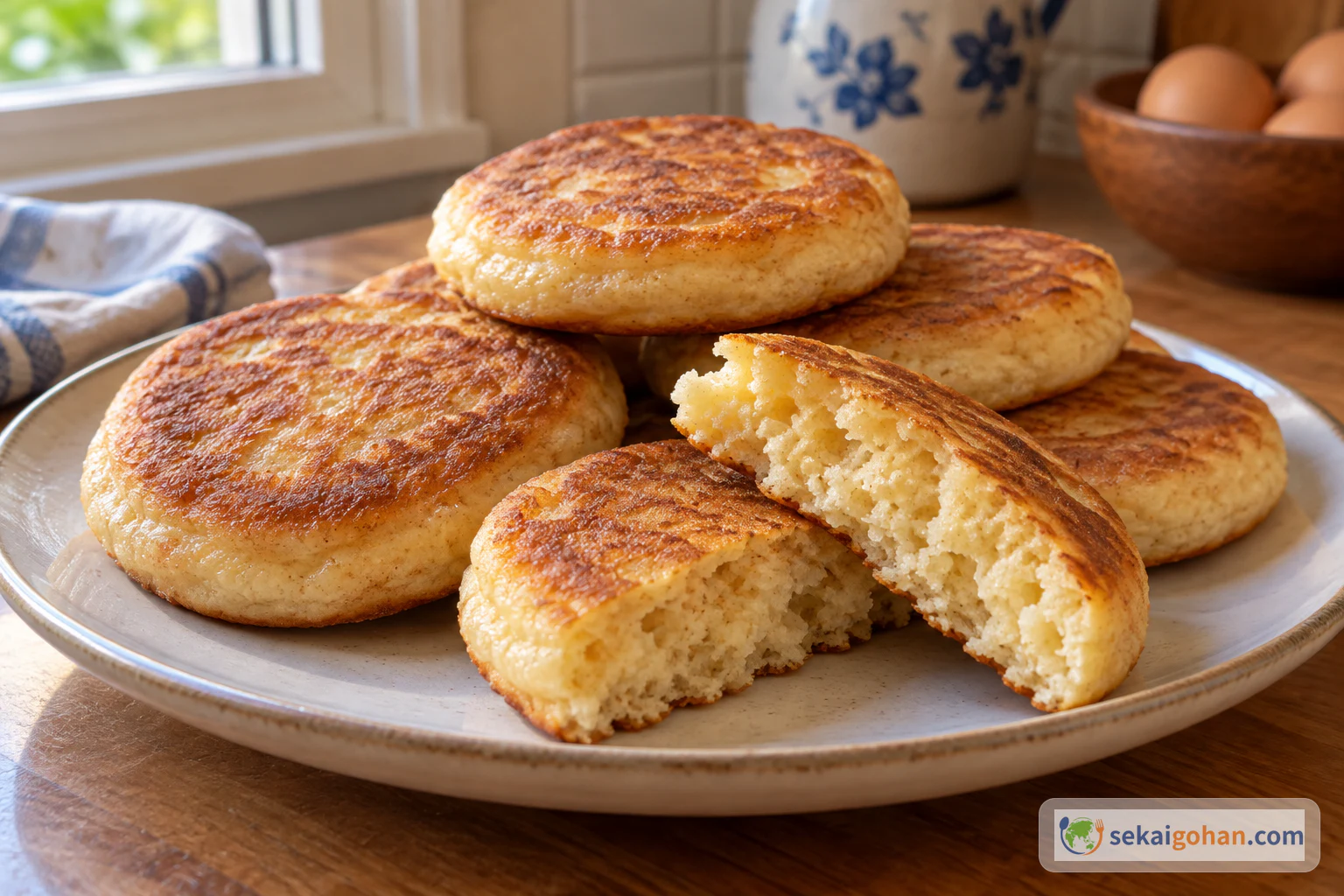
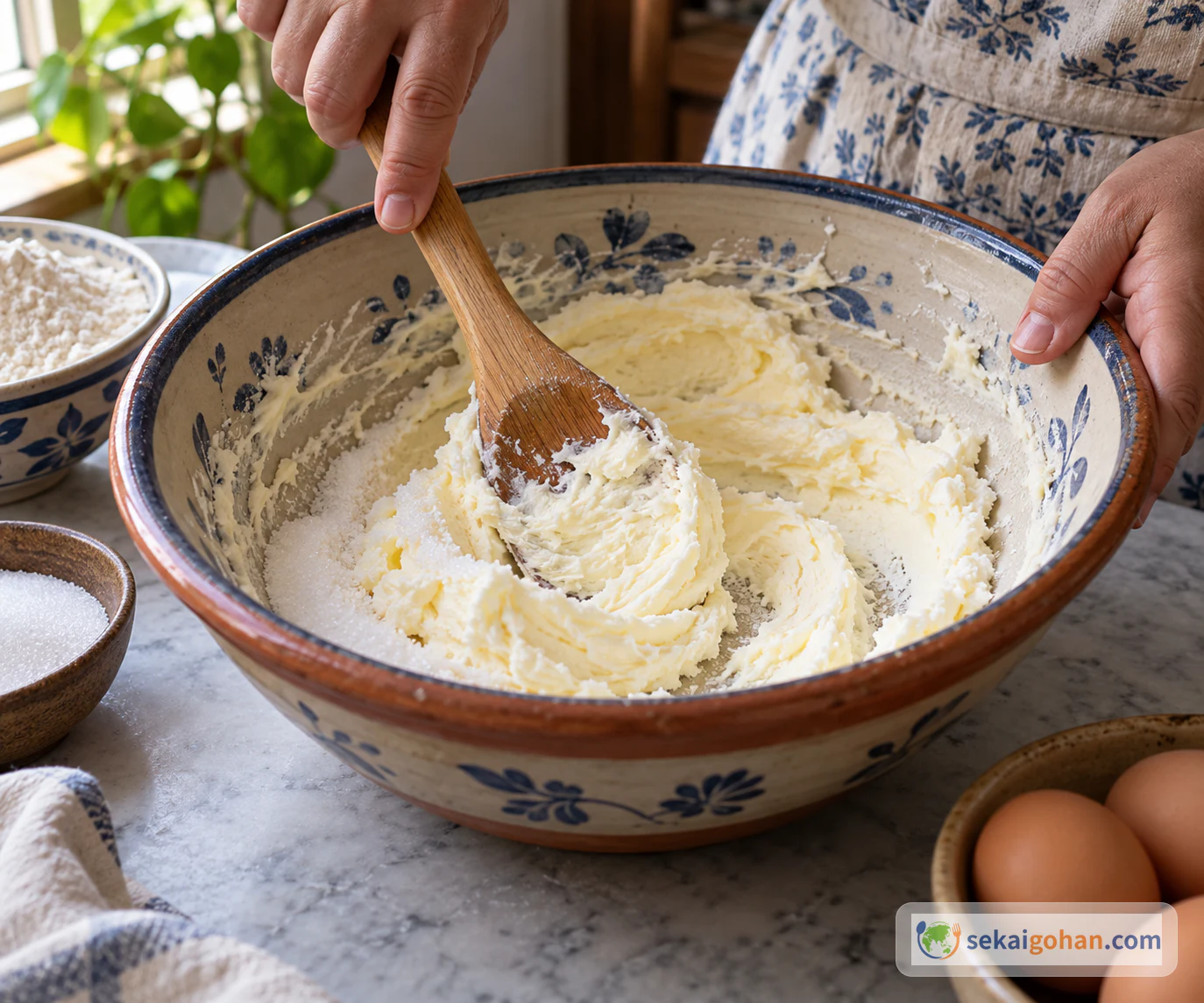
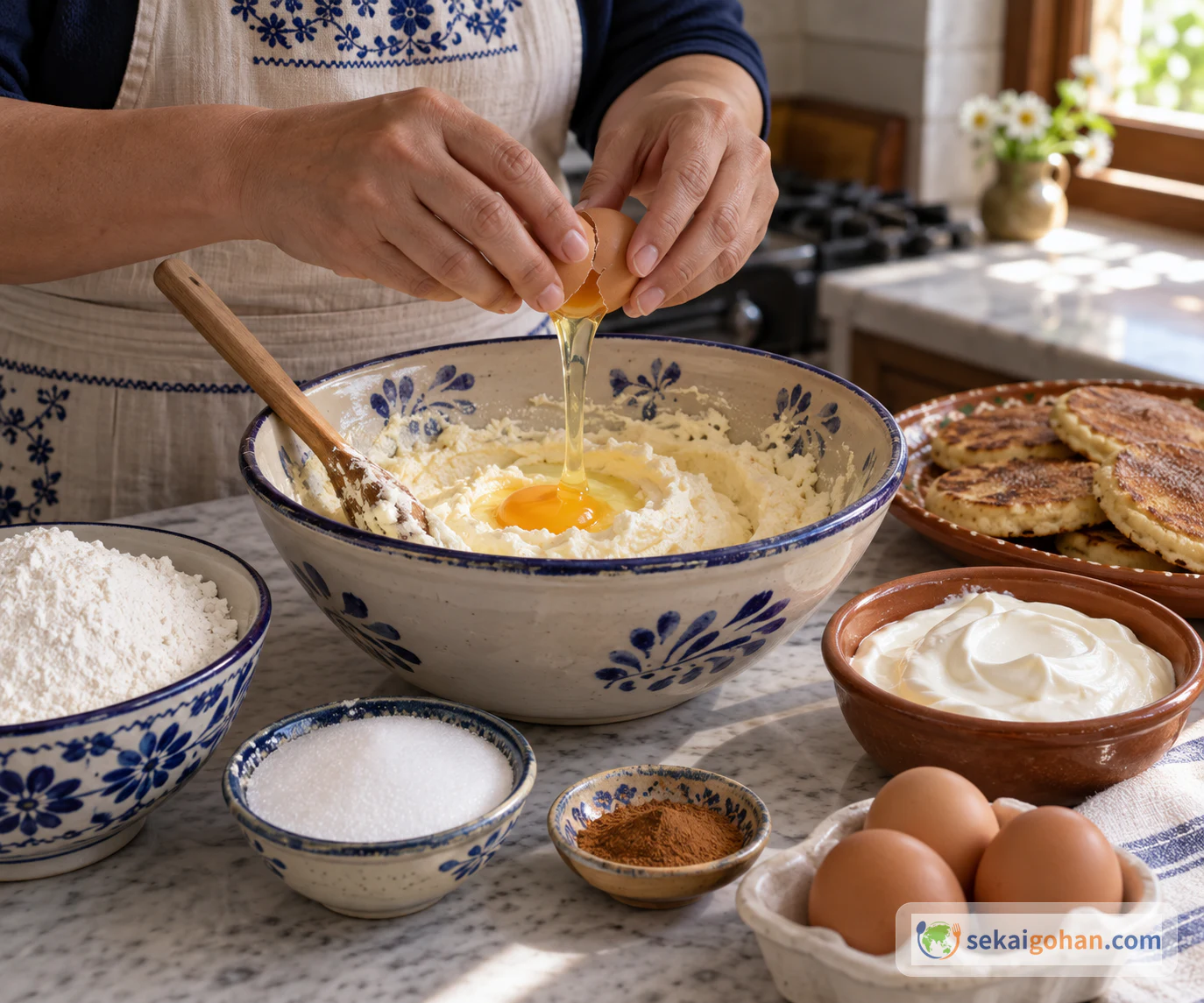
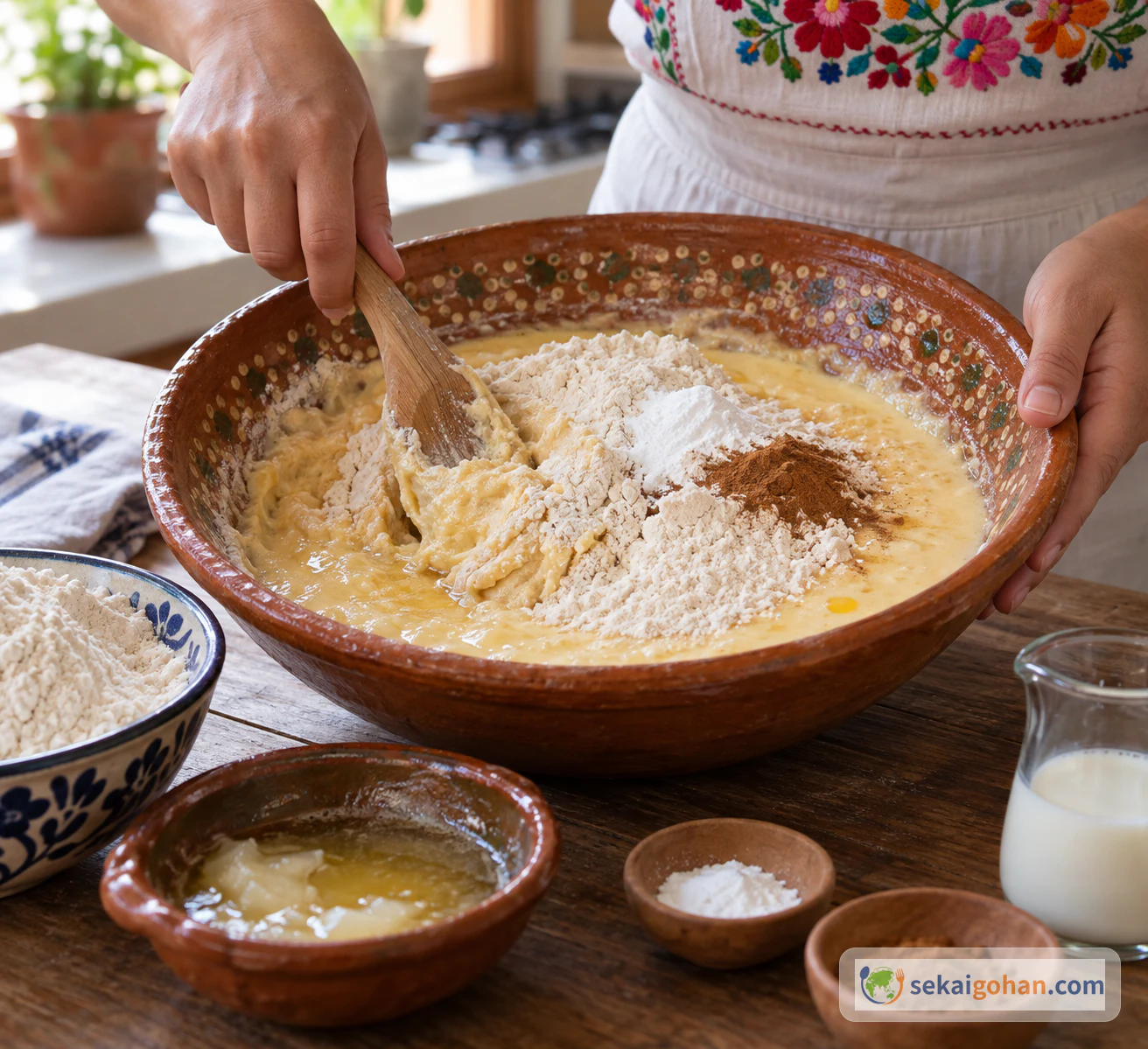
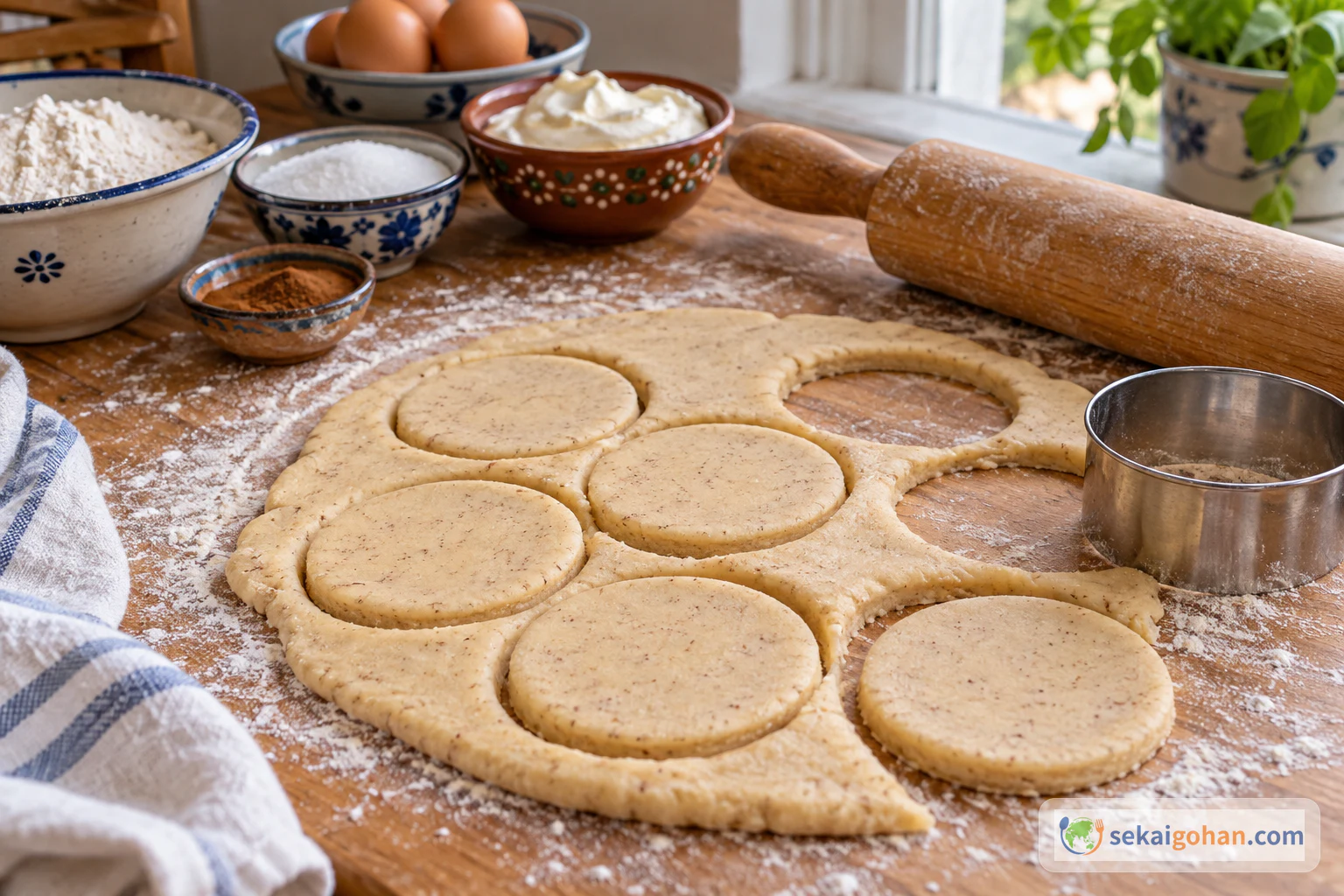
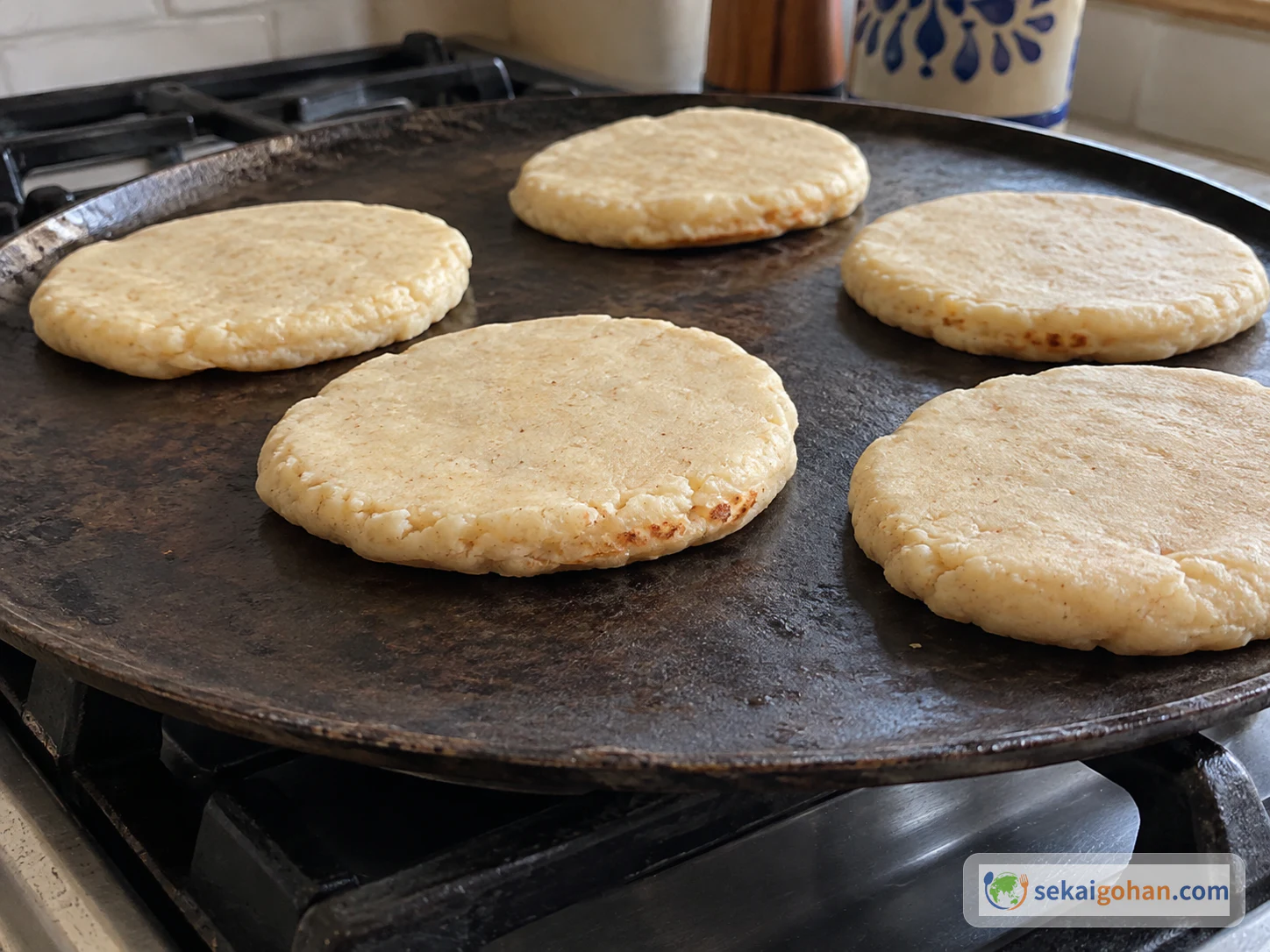
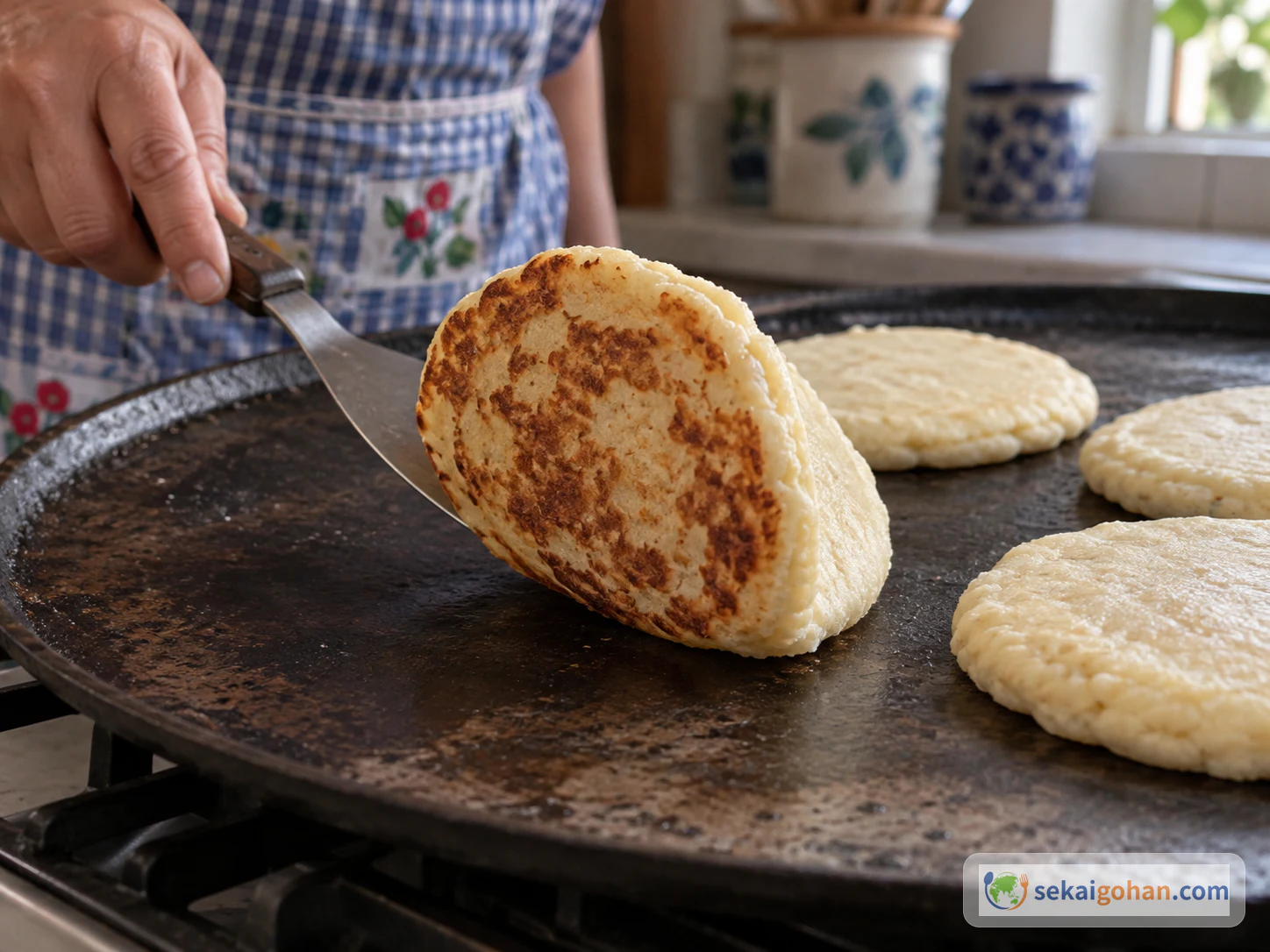
On the streets of Mexico City, sellers sell gorditas de nata: small, sweet rounds of dough browned on both sides. The dough is simple, made of nata, sugar, eggs, sifted wheat flour, a spoonful of melted lard, baking powder and cinnamon. Instead of going into an oven, the rounds cook on a comal, the flat griddle of the Mexican kitchen, until both sides turn golden. The nata gives them their soft, rich crumb.
About Gorditas de Nata
The name can be confusing. "Gordita" also refers to savory dishes made with corn dough and often stuffed. Here it means a sweet, wheat-flour griddle cake whose richness comes from nata. The two foods share a name, but the dough, the flavor and the role on the table are different. To explore more of the country's cooking, see our Mexico country page.
Gorditas de Nata at Fairs and Festivals
These griddle cakes travel with the people who make them. One family of bakers has sold them at the fair for more than 20 years, touring festivals in several states and presenting their gorditas as bread from Tlaxcala. They mix the dough, divide it into balls, roll it out, let it rest briefly and then cook it.
Angélica Mestiza, from Tlaxcala, has sold gorditas de nata at the Fiestas del Pitic for 16 years, and the selling itself has been passed down through her family. She distinguishes small nata gorditas from a larger, vanilla-flavored version. Size and flavor vary from one maker to another.
Ingredients and Measures
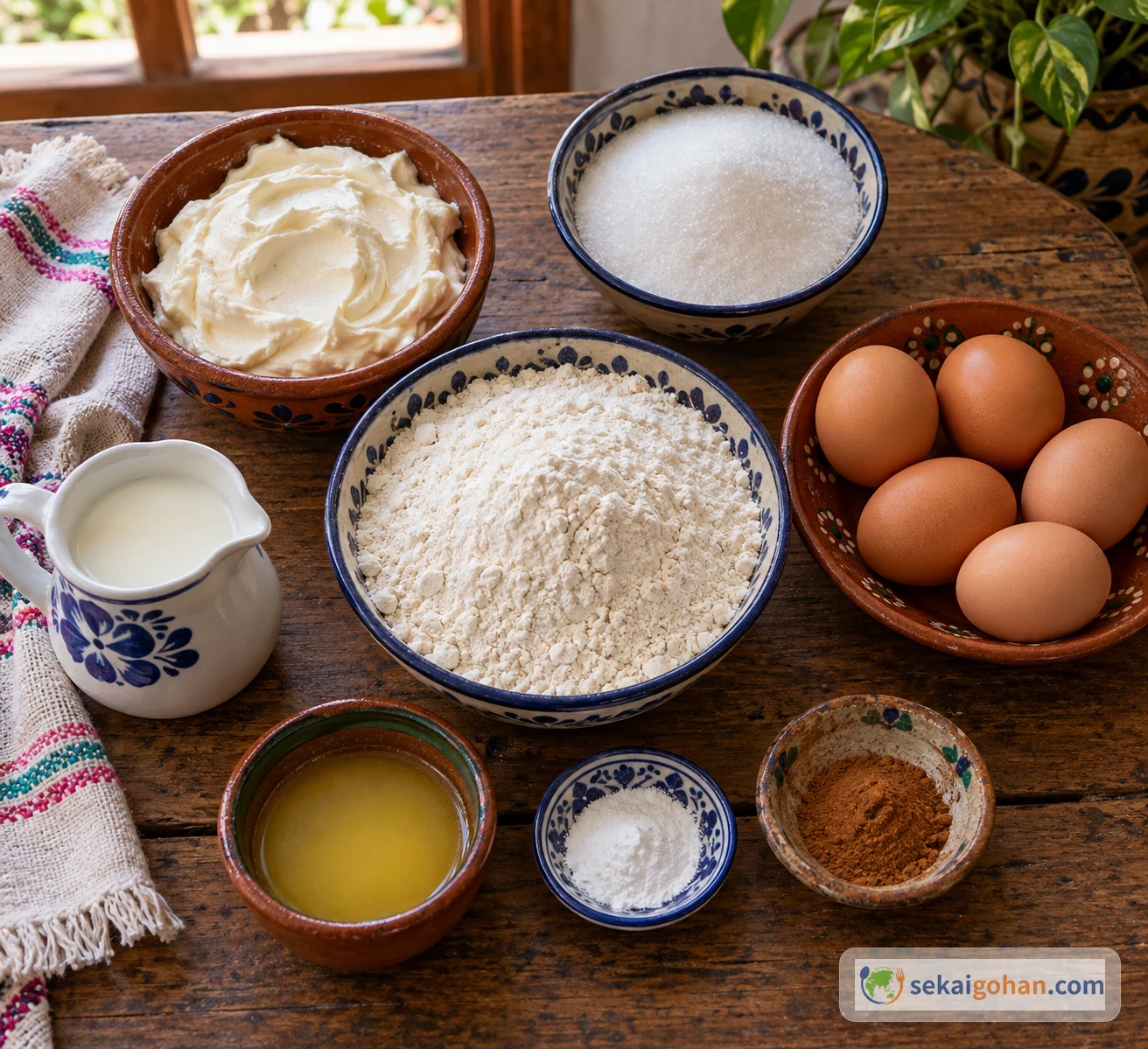
"Taza," "cucharada" and "cucharadita" are the Spanish cup, tablespoon and teaspoon measures. The recipe makes 12 porciones (portions).
This is a large batch built on 2.25 lb (1 kg) of flour. To make less, recalculate every ingredient together, not just one.
This recipe contains egg, milk (nata and milk) and wheat, and uses pork lard. Check the labels of the products you buy as well.
Equipment
- Comal (flat griddle); a heavy flat pan can stand in
- Large mixing bowl
- Wooden spoon
- Sieve, for sifting the flour
- Rolling pin
- Round cutter
- Spatula, for turning
Choosing Nata, Flour and Fat
Nata is the heart of this recipe. It is the rich, fat-heavy cream that gathers on the surface of milk when it is heated. Look for it at Mexican or Latin American grocers and import shops, and check the name on the label.
If you can't find nata, an unsweetened, high-fat dairy cream can stand in. Expect a different flavor, and know that its fat and moisture can change how the dough comes together.
Use sifted wheat flour. A softer, lower-protein flour and an all-purpose flour give different textures, so it's worth baking one batch of each to compare. Swapping the lard for vegetable oil or butter also changes the flavor and texture. No comal? A thick, heavy flat pan does the same job.
How to Make Gorditas de Nata on a Comal
Keep the dough about 0.5 inches (1 cm) thick and watch the browning, but do not treat golden color as proof that the center is cooked. Cook the rounds through before serving.
Gordita de Nata Troubleshooting
| Condition | Likely cause | What to do |
|---|---|---|
| Dough is dry and won't come together | Flour absorbing more liquid, or a thicker nata | Add milk a little at a time, only until it comes together |
| Dough is sticky after adding milk | Too much milk | Add dusting flour a little at a time while rolling |
| Outside browns before the inside seems done | Heat too high, or rounds too thick | Lower the heat slightly and keep the rounds at about 0.5 inches (1 cm) |
| Rounds brown unevenly | Uneven thickness | Roll to an even thickness before cutting, and watch the color as you adjust the medium heat |
| Dough behaves differently from last time | Differences in nata fat content or flour | Expect some variation; add milk only when the dough is dry |
Serving Gorditas de Nata
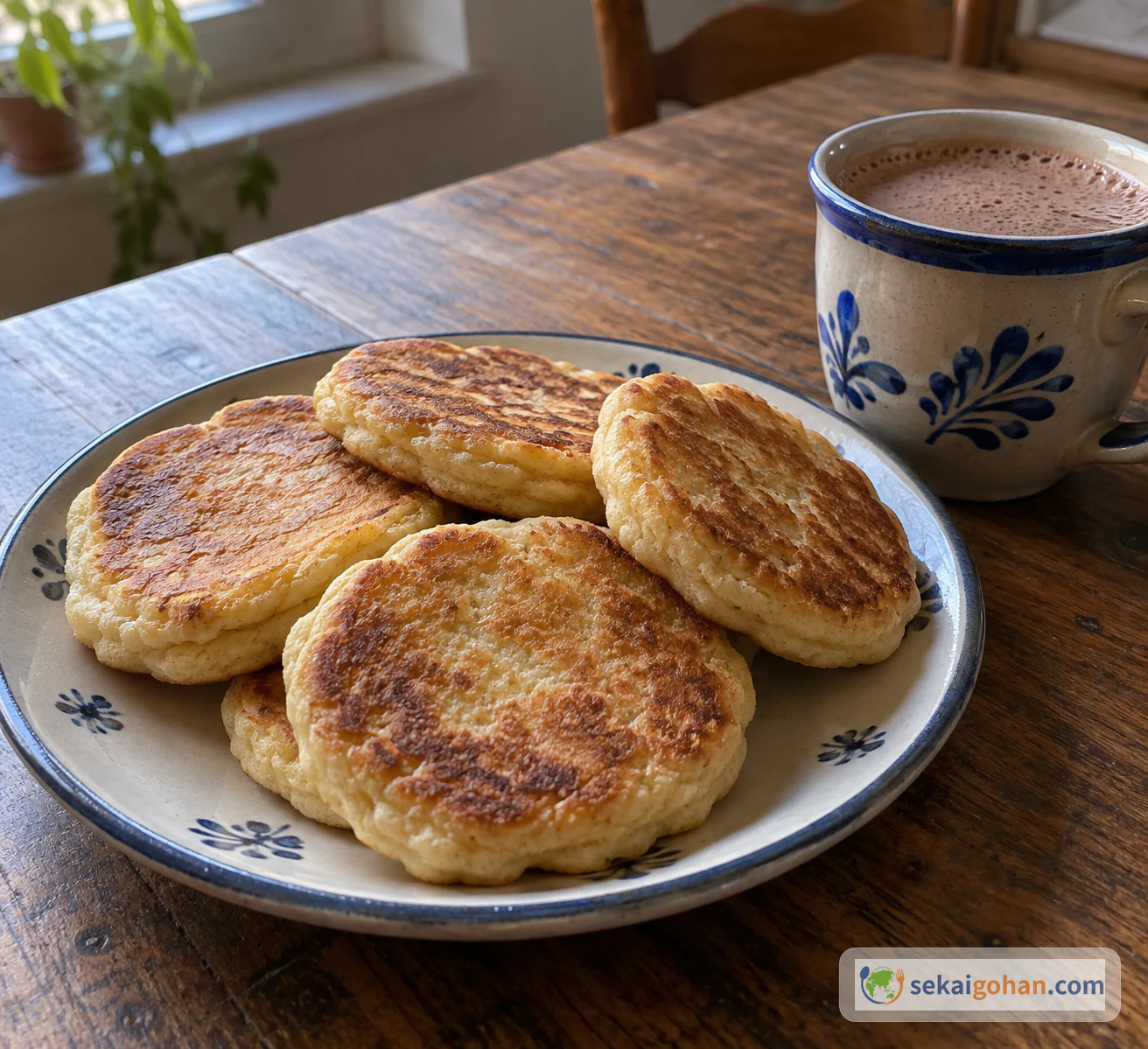
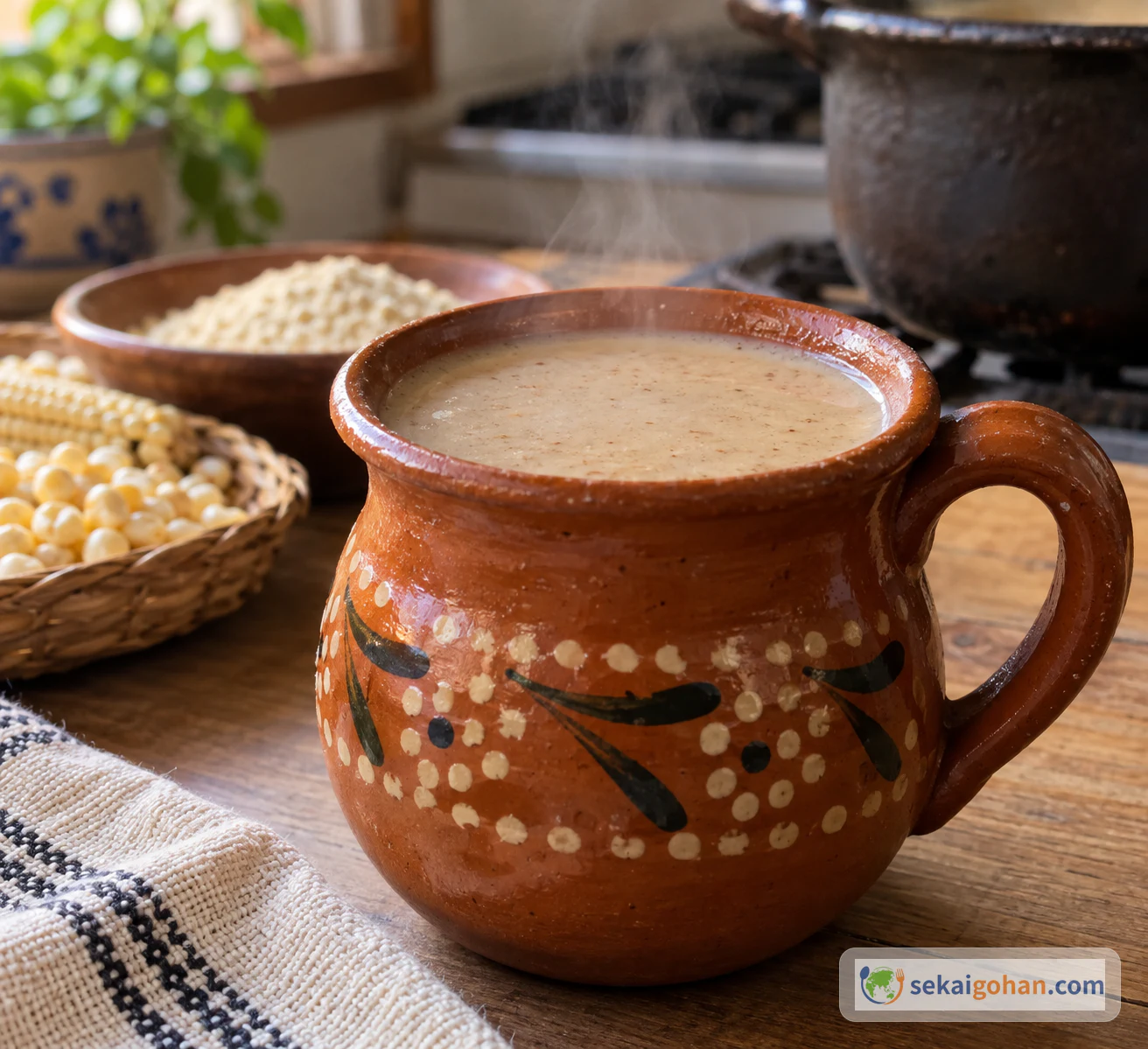
Serve the gorditas fresh off the comal, on their own or with a cup of hot chocolate or champurrado, the way they're often eaten in Mexico City. A warm drink alongside is the easiest way to make a small occasion of them.
If you'd like a less sweet dough, reduce the sugar and write down the exact amount you used, so you can repeat the batch or adjust it next time.
Frequently Asked Questions
Can I use ordinary cream instead of nata?
Not as an exact match. A high-fat, unsweetened dairy cream works as a substitute, but its flavor and moisture differ from nata, and the dough may need a little adjusting.
How many does the recipe make?
The recipe makes 12 porciones. The number of rounds you get depends on your cutter and on keeping the dough at about 0.5 inches (1 cm) thick.